 Birch Bay Siding
 Windows Built for Bellingham's Weather, Not Just Its Openings
Bellingham sits close enough to the water that salt air is a daily fact of life for anything installed on the outside of a house, and far enough into the Pacific Northwest rain belt that driving rain and long stretches of damp, low-angle sun define the maintenance calendar. Add a moss season that can stretch from fall through spring, and you have a climate that is quietly hard on windows even when nothing looks obviously wrong. Frames swell and shrink with moisture cycles, sealants get tested by wind-driven rain hitting the glass at an angle instead of straight on, and anything with a north or west exposure stays damp longer than it would almost anywhere else in the state.
A window that works fine in a dry climate can fail quietly here — not with a dramatic leak, but with slow rot behind the trim, fogged glass from a failed seal, or a sash that swells shut every winter. Custom windows done right for a Bellingham home account for all of that from the start, not as an afterthought.
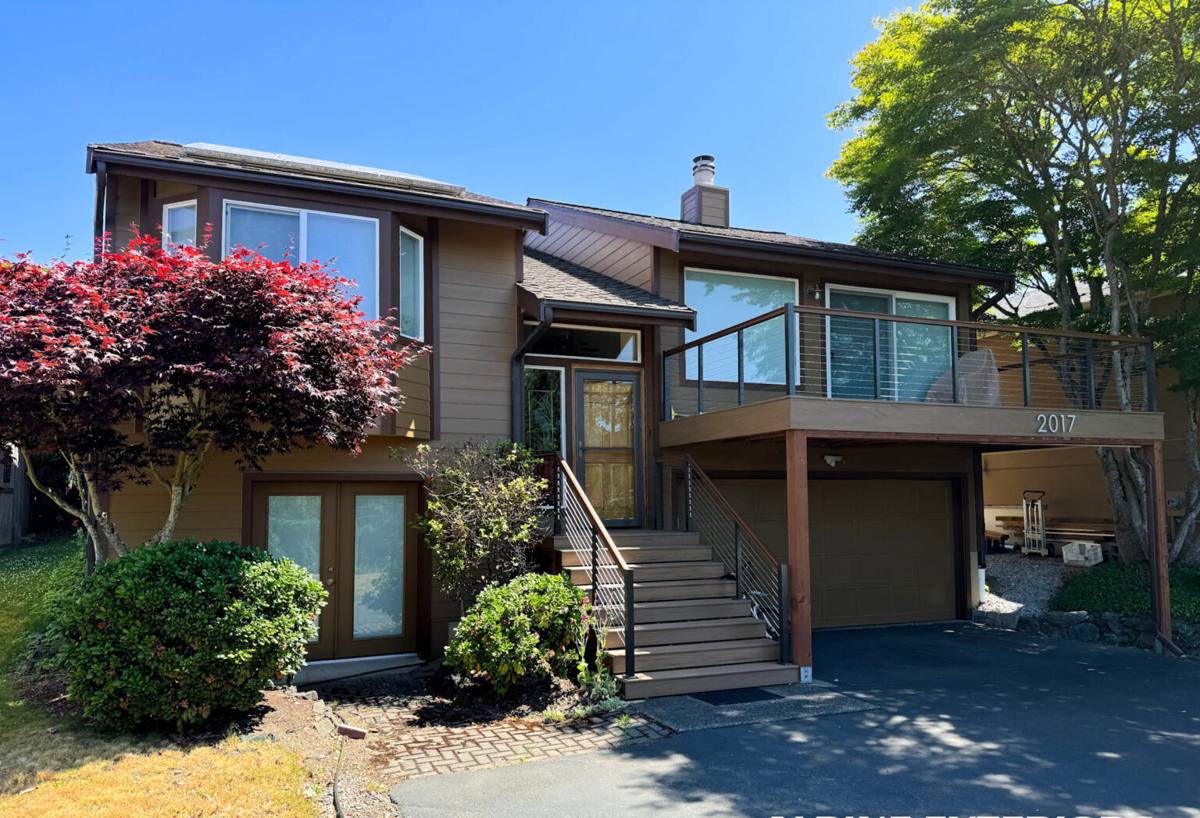
What "Custom" Really Means for a Bellingham Home
Custom doesn't just mean a fancier window — it means the window is built and installed to match the actual conditions of your house, not a generic opening size off a big-box shelf. In and around Bellingham, that usually comes down to a few recurring situations:
- Older homes with openings that don't match modern standard sizes, requiring true custom dimensions rather than a forced fit
- Additions or renovated rooms where the wall assembly and window need to be coordinated together
- Homes with a mix of original wood windows and later replacements, where matching sightlines and proportions matters for curb appeal
- Exposures facing prevailing weather that need better water management than a standard install, regardless of window brand
- Homeowners who want specific grille patterns, glass tints, or hardware finishes that aren't available in stock configurations
Custom sizing also matters more here than in drier climates, because a window that's shimmed and gapped to force-fit an opening creates more places for water to find its way behind the siding. Getting the size right the first time isn't a luxury — it's part of how the window stays weathertight for the long haul.
Common Signs It's Time to Replace, Not Just Repair
- Fogging or a hazy film between panes — the seal has failed and the insulating gas is gone
- Sashes that stick or won't stay open, especially worse in wet months
- Visible gaps or daylight around the frame when the window is closed
- Soft or discolored wood trim at the sill or corners — a sign moisture is already getting behind the frame
- Noticeable draft or cold spot near the window even with it fully closed
- A frame that has to be repainted or recaulked every year just to look presentable
Frame Material Trade-Offs for This Climate
There's no single "best" window material — every option is a trade-off between upfront cost, maintenance, and how it handles sustained moisture. For a home in the Bellingham area, moisture performance and maintenance burden usually matter more than they would in a drier region.
| Frame Material | Moisture Performance | Maintenance | Typical Trade-Off |
|---|---|---|---|
| Vinyl | Good — won't rot, handles damp cycles well | Low — no painting, occasional cleaning | Limited color/finish options; can look less premium on older homes |
| Fiberglass | Excellent — very stable through moisture and temperature swings | Low | Higher upfront cost than vinyl |
| Wood-clad (exterior clad, wood interior) | Good if the cladding and flashing are installed correctly; interior wood needs to stay dry | Moderate — interior finish care, exterior is low-maintenance | Higher cost; installation quality matters more than with all-vinyl |
| Aluminum | Fair — prone to condensation without thermal breaks | Low | Less common as a primary residential choice in this climate now |
We install and stand behind vinyl and fiberglass systems as our default recommendation for most Bellingham homes because they hold up consistently against salt air and sustained damp without requiring a maintenance routine most homeowners don't have time for. Where a home's character calls for a wood-look interior, wood-clad windows are a legitimate option — but we're upfront that they demand more attention to installation detail and, over time, more upkeep than an all-composite frame.
Why the Installation Matters More Than the Window
Even a top-tier window will fail early if it's installed without proper flashing and water management — and this is where driving rain exposure makes the biggest difference. Wind-driven rain doesn't just run down a wall, it can push sideways and upward into gaps that a straight-down rain would never reach. A correct install accounts for that from the framing out.
What a Correct Install Includes
- Removing the old window and inspecting the rough opening, sill, and surrounding framing for hidden rot or moisture damage before anything new goes in
- Repairing or replacing any compromised framing — installing a new window into damaged framing just hides the problem
- Installing a sloped sill pan so any water that does get past the window drains outward, not into the wall
- Layering flashing tape and building wrap in the correct shingle-lap order so water is always directed down and out, never trapped behind a layer above it
- Setting the window level, plumb, and properly shimmed — not forced into an out-of-square opening
- Sealing and insulating the gap between the frame and rough opening correctly, without over-filling with expanding foam that can bow the frame
- Finishing exterior trim and caulking with products rated for sustained UV and moisture exposure
That sill pan and flashing sequence is the single biggest factor in whether a window stays dry for twenty years or starts showing rot in five. It's invisible once the trim is back on, which is exactly why it has to be done right the first time — nobody catches a shortcut there until there's already damage.
Energy Performance in a Marine Climate
Bellingham's climate isn't defined by extreme cold the way it is inland, but the combination of persistent damp, wind off the water, and a long heating season still makes glass and frame performance worth getting right. For most homes here, we look at:
- U-factor — how well the window resists heat loss; lower is better for our heating-dominated season
- Low-E glass coatings — help control heat loss without darkening the room noticeably
- Double or triple glazing — triple glazing adds cost and weight but can be worth it on exposed, weather-facing walls
- Argon or krypton gas fill — improves insulating performance between panes at modest added cost
We size and spec glass package recommendations by exposure — a window on a sheltered wall doesn't need the same package as one taking the brunt of prevailing wind and rain, and there's no reason to pay for performance a wall doesn't need.
Salt Air, Moss Season, and What They Actually Do to a Window
Salt-laden air accelerates corrosion on hardware, hinges, and fasteners that aren't rated for it, which is why hardware finish and material matter as much as the frame itself for homes closer to the water. Moss and algae growth, meanwhile, thrives in the shaded, damp conditions common on north- and west-facing walls through fall and winter — and once it establishes on trim or sills, it holds moisture against the surface longer, which speeds up wear on caulking and paint. Choosing corrosion-resistant hardware and finishes designed to shed moisture rather than trap it is a small spec decision that pays off over years, not something that shows up on a brochure.
Our Process for Bellingham Homeowners
- On-site assessment — we look at your current windows, framing condition, and exposure to prevailing weather, not just the glass
- Honest recommendation — we tell you what actually needs replacing versus what can wait, and which materials fit your home and budget
- Accurate custom measurement — every opening is measured individually; nothing is assumed to match a standard size
- Written estimate — clear scope, materials, and pricing before any work is scheduled
- Installation — full removal, framing inspection and repair as needed, proper flashing and sill pan work, and correct final sealing and trim
- Walkthrough — we go over the finished work with you before we consider the job done
Why a Crew That Already Works Bellingham Matters
Window installation quality depends heavily on understanding how a specific climate behaves on a specific wall — which exposures take the worst of the weather, how long moisture tends to sit on a north-facing sill, what kind of framing is common in homes of a given era in this area. A crew that works Whatcom County regularly isn't guessing at that; they've seen it repeatedly, on homes with the same weather exposure yours has. That local pattern recognition shows up in small decisions — how much sill pan slope to use, which flashing sequence to trust on a given wall assembly, which hardware finishes actually hold up — that a crew unfamiliar with this specific coastal climate might not think to prioritize.
It also matters for permitting and code familiarity specific to the area, and for being reachable afterward if a question comes up once the weather actually tests the install through a full wet season.
What Affects Cost
| Factor | Why It Matters |
|---|---|
| Number and size of windows | Larger openings and more units increase material and labor directly |
| Frame material | Vinyl is typically the most affordable; fiberglass and wood-clad cost more upfront |
| Glass package | Triple glazing, upgraded Low-E coatings, and gas fills add cost per unit |
| Framing condition | Hidden rot or damage found during removal adds repair work before the new window goes in |
| Access and exposure | Upper-story or hard-to-access windows take more labor time |
| Trim and finish work | Matching existing exterior trim profiles or custom interior finish adds scope |
Because so much of the real cost driver is what's found once the old window comes out — especially framing condition — we don't give firm numbers over the phone. A written estimate after an on-site look is the only way to give you a number you can actually count on.
Basic Maintenance to Get the Most Life Out of New Windows
- Rinse salt residue off frames and glass periodically, especially on walls closest to open water or exposed to wind
- Keep gutters and nearby drainage clear so water isn't sheeting down across window heads
- Check and clear moss or algae buildup on sills and trim before it holds moisture against the surface through winter
- Inspect exterior caulking annually and touch up any cracked or separated sections before the wet season sets in
- Operate sashes periodically through the year, including winter, so hardware doesn't seize from disuse in damp conditions
If you're weighing custom windows for a home in the Bellingham area, we're glad to come take a look and walk you through what your specific exposures and framing actually need — no pressure, no generic sales pitch. The estimate is free, and it's based on what we see on your walls, not a standard package.