 Birch Bay Siding
 Why Siding Fails Faster Here Than in Most Places
Birch Bay sits right on the water, and that changes the math on siding durability. Salt-laden air off the bay works into seams and fastener heads year-round, driving rain off Puget Sound and the Strait of Georgia drives moisture sideways into wall assemblies most siding was never tested against, and a long, damp moss season keeps north-facing walls wet for months at a stretch. None of that is unique to any one product, but it exposes weaknesses in some products faster than others. A siding system that looks fine in a dry inland town can start showing real trouble on a Whatcom County waterfront lot within a decade.
This page walks through what failing siding actually looks like, why it happens, and how to tell early cosmetic wear from a problem that's already moved into your wall. The goal isn't to scare you into a premature replacement — it's to help you catch the difference between "this needs a repaint" and "this needs to come off the house."
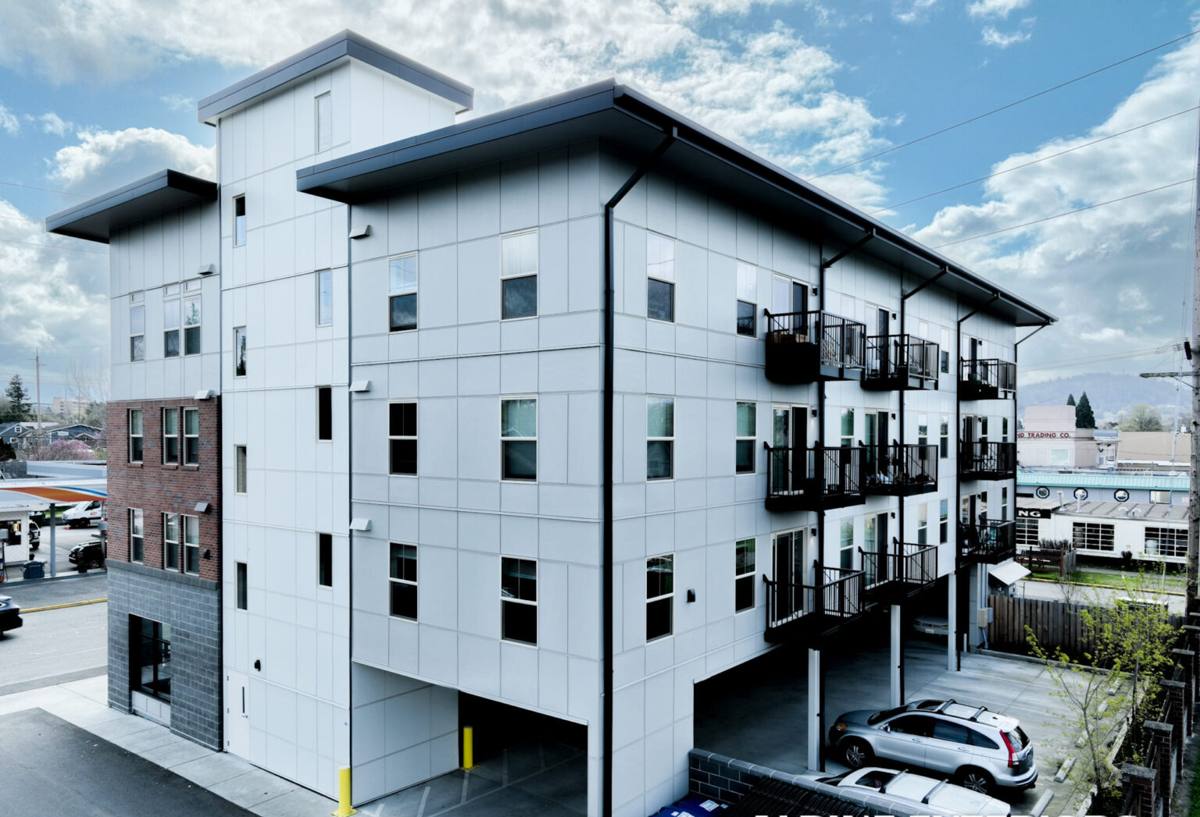
The Visual Warning Signs, In Order of Urgency
Cosmetic Signs (Watch, Don't Panic)
- Chalky, faded paint film that rubs off on your hand
- Minor hairline cracking at butt joints
- Green or black streaking from moss and algae on shaded walls
- Slightly raised nail heads (called "nail pop")
Structural Warning Signs (Act Soon)
- Soft or spongy spots when you press on the siding
- Visible swelling, bubbling, or delamination at the surface
- Boards that have separated, cupped, or bowed away from the wall
- Persistent staining or dark streaks below seams and joints
- Peeling paint that keeps coming back within a year or two of repainting
- Visible rot, crumbling, or a soft "give" at bottom edges and corners
If you're only seeing the first list, you likely have time and options. If you're seeing anything from the second list, especially softness or swelling, water has already gotten past the surface and into the material itself. That's the point where "failing" stops being a figure of speech.
What's Actually Happening Behind the Wall
Siding's real job isn't to look good — it's to shed water before it reaches your sheathing, framing, and insulation. When siding fails, it's rarely one dramatic event. It's usually a slow sequence: a caulk joint dries out and cracks, water finds its way behind a seam, the material behind the surface starts absorbing moisture it wasn't built to handle, and by the time you see a visible sign on the outside, there's often already damage on the inside of that wall cavity.
This is why siding failure is so different by material. Wood-based products (primed spruce, cedar, and even engineered wood like LP SmartSide) are organic material at their core — once moisture gets past the factory coating and into the wood fiber, it can swell, rot, or delaminate, and the clock starts running. Vinyl doesn't rot, but it doesn't stop water either — it's designed to let moisture drain behind it, which only works if the water-resistive barrier and flashing behind it were installed correctly. Fiber cement board resists moisture absorption at the material level, which is a large part of why we standardized on it, but even fiber cement will fail prematurely if it's installed without correct clearances, flashing, or caulking.
A Quick Comparison of Common Siding Materials
| Material | How It Typically Fails | Time to First Signs (Coastal WA) |
|---|---|---|
| Primed spruce / cedar | Moisture absorption, swelling, rot at joints and bottom edges | 5-10 years |
| Vinyl siding | Warping, cracking in UV/cold cycling, trapped moisture behind panels | 10-15 years |
| LP SmartSide (engineered wood) | Edge swelling if cut edges and seams aren't field-sealed | 8-12 years if maintenance lapses |
| Fiber cement (properly installed) | Coating wear over time; material itself resists moisture damage | 20-30+ years to first major issue |
These are general patterns, not guarantees — installation quality changes the outcome more than the brand name does. A well-installed lower-tier product can outlast a poorly installed premium one. That's worth remembering before you assume the material is always the problem.
Why We Only Install James Hardie Fiber Cement
We get asked fairly often why we don't install vinyl, LP SmartSide, Cemplank, Allura, or bare cedar and spruce siding, given that all of them have a place in the market and plenty of homes wearing them just fine. Here's the honest answer: in a climate like ours, with salt air, sideways rain, and a moss season that can run six months, the products that hold up best long-term are the ones that resist moisture at the material level rather than relying entirely on a coating or an installation detail to keep water out.
James Hardie fiber cement is non-combustible, it's engineered in specific product lines (HardiePlank, HardiePanel, and others) built for different climate demands, and it comes from the factory with a ColorPlus finish baked on — not a field-applied paint job that starts thinning the day it's sprayed. It carries a strong transferable warranty when installed to Hardie's specifications, which matters if you sell the house before the warranty period is up. None of this means other products are junk. It means that when we're the ones installing and standing behind the work, fiber cement is the material we trust to perform through a Birch Bay winter fifteen years from now, not just the first one.
DIY Checks You Can Do This Weekend
- Walk the perimeter and press firmly on siding near the bottom few feet of each wall, especially under downspouts and near ground contact
- Check caulk lines at window and door trim for cracking, gaps, or missing sections
- Look at north- and west-facing walls (the ones facing the water and prevailing weather) for moss, streaking, or discoloration patterns that differ from the rest of the house
- Check inside your attic or crawlspace, if accessible, for water staining on the sheathing directly behind exterior walls that have shown outside symptoms
- Note any spot where paint keeps failing in the same location year after year — that's usually a sign of a moisture source, not just a bad paint job
None of this replaces a proper inspection, but it tells you whether you're dealing with a maintenance item or something that needs a professional look sooner rather than later.
When Repair Makes Sense vs. When Replacement Does
Small sections of localized damage — a cracked board near a downspout, a section that took an impact — can often be repaired without redoing the whole wall, provided the surrounding material is sound and the water intrusion was caught early. Once damage shows up in multiple locations, or once you find soft sheathing behind more than one wall, patch repairs tend to become a cycle: fix one spot, find the next one six months later. At that point, full replacement on the affected elevations (or the whole house, depending on age and condition) is usually the more cost-effective path, because it lets you address the water-resistive barrier and flashing details underneath, not just the visible surface.
Age matters too. Siding installed 20-plus years ago, especially wood-based products, is often at or past its practical service life even where it still looks acceptable from the street. In that case, a failing section is frequently the first visible sign of a problem that exists across the whole house.
What Correct Installation Looks Like (Regardless of Material)
- Proper clearance between siding and grade, decks, and roof lines to prevent wicking
- Correctly lapped and sealed house wrap or weather-resistive barrier underneath
- Flashing at every window, door, and penetration — not just caulk
- Manufacturer-specified fastener type, spacing, and nailing pattern
- Field-cut edges sealed per manufacturer instructions (critical for engineered wood products)
- Correct joint and seam treatment to shed water rather than trap it
Whatever material ends up on your walls, these details are what separate siding that lasts three decades from siding that fails in eight years. A homeowner evaluating a contractor's bid should ask specifically how each of these will be handled — a vague answer is a red flag regardless of which brand is being quoted.
Get an Honest Read on Your Siding
If you're seeing any of the warning signs above, or you're just not sure how much life is left in what's on your walls, we're happy to take a look. We'll give you a straight answer — repair, monitor, or replace — and if replacement makes sense, we'll walk you through why James Hardie is what we'd put up in Birch Bay's climate. Reach out for a free, no-pressure estimate using the form below.