 Birch Bay Siding
 Exterior Work for Marietta, in Birch Bay's Service Area
Marietta sits close enough to the water that its homes deal with a different set of exterior problems than houses even a few miles inland. This is one of the lower-lying, shoreline-adjacent communities we serve out of Birch Bay, and the exterior issues we see here are consistent: salt-laden air working on fasteners and finishes, driving rain that gets pushed sideways by wind off the water, and a moss season that runs longer than most homeowners expect in Whatcom County. None of that is unusual for this part of Washington. What matters is building an exterior system that's engineered for it, rather than one that just tolerates it until it doesn't.
We're a local crew, not a regional call center dispatching whoever's available. That matters here specifically because low-lying, water-adjacent properties don't all fail the same way — a home tucked behind a tree line ages differently than one standing open to wind off the bay, even if they're a quarter mile apart.
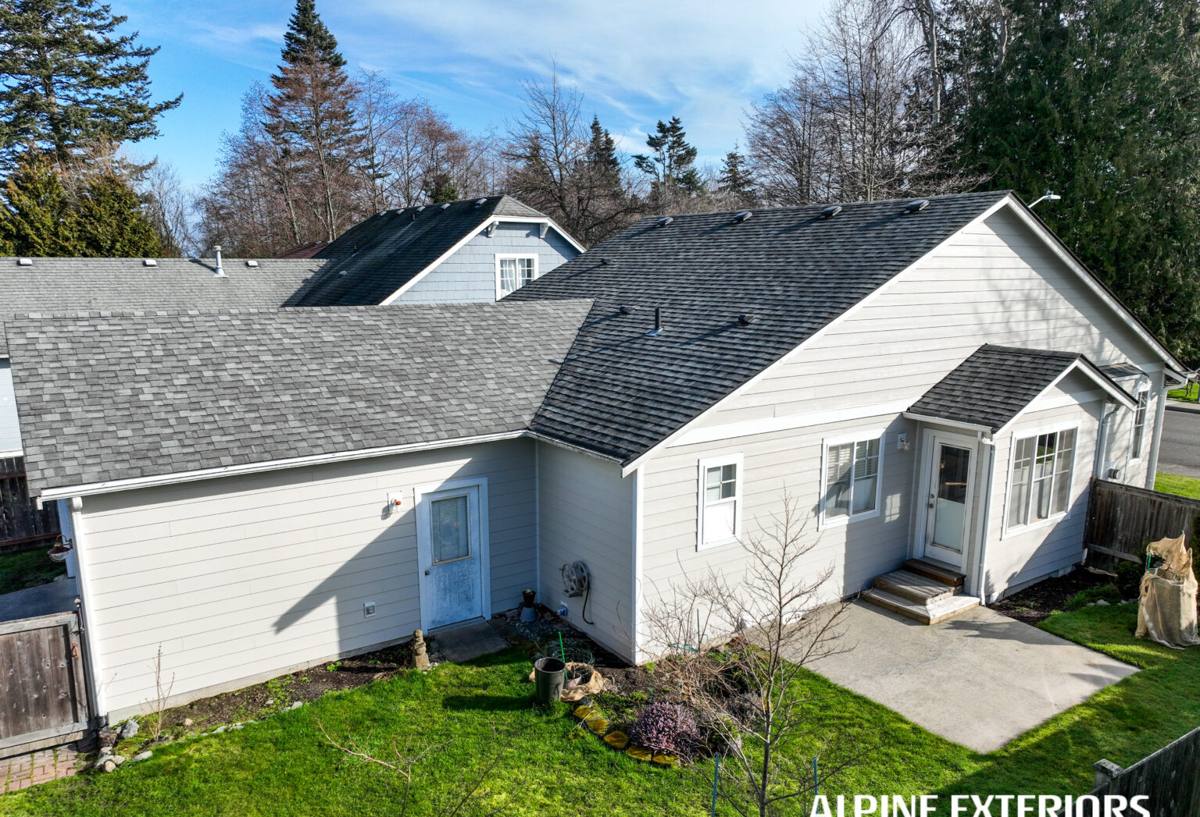
What Marietta's Climate Does to a Home's Exterior
Salt Air and Metal Fatigue
Homes near Birch Bay and the surrounding shoreline communities are exposed to airborne salt that accelerates corrosion on anything metal — fasteners, flashing, gutter hardware, even cheaper trim accessories. Over years, this is often what causes visible failure before the siding material itself gives out: a rusted fastener bleeding through paint, a corroded J-channel letting water behind the wall assembly. Correct material selection for hardware and flashing matters as much as the siding choice itself in this environment.
Driving Rain and Wind-Driven Moisture
Open exposure near the water means rain rarely falls straight down — it comes in at an angle, and repeatedly, for months at a stretch. Siding systems and trim details that work fine in a sheltered inland yard can underperform here if laps, caulk joints, and butt seams aren't installed with that wind-driven moisture in mind. This is an installation issue as much as a product issue.
The Long Moss Season
Whatcom County's damp, mild winters give moss and algae a long runway, and shaded or north-facing walls in Marietta hold moisture longer than homes with more sun exposure. Moss on siding isn't just cosmetic — it holds water against the surface, and on the wrong substrate that moisture retention becomes a long-term maintenance liability rather than a once-a-year wash-off.
Why We Install Only James Hardie Fiber Cement
We made a decision early on to install one siding system: James Hardie fiber cement. We don't install vinyl, LP SmartSide, Cemplank, Allura, primed spruce, or cedar, and we're upfront about why — because in a marine-influenced, high-moisture climate like this one, the trade-offs on those other products stack up against the homeowner over time.
Where Other Products Fall Short Here
- Vinyl siding expands and contracts with temperature swings and can warp or crack under sustained wind loading; it also can't be painted a different color without voiding factory warranties on many lines.
- LP SmartSide and other engineered wood products are wood-based at the core, meaning sustained moisture exposure — the kind Marietta gets for months at a time — is the one condition they're most vulnerable to if any seam or cut edge isn't properly sealed and maintained.
- Cedar is a genuinely attractive natural material, but it requires ongoing refinishing, is combustible, and its long-term cost is maintenance labor, not material failure.
- Primed spruce and unfinished wood put the entire moisture-barrier burden on a paint job that has to be redone on a cycle, which is a hard thing to keep up with in a climate this wet.
What Hardie Gets Right for This Climate
James Hardie fiber cement is non-combustible, doesn't support pest damage, and holds a factory-applied ColorPlus finish that's baked on rather than site-sprayed — which matters directly for salt air exposure, since factory finishes resist fading and chalking better than field-applied paint over the long run. Hardie's HZ5 product line is engineered specifically for climates with sustained moisture and freeze-thaw cycling, which is a closer match to Whatcom County's coastal conditions than a generic siding spec. It's also backed by a strong transferable warranty, which carries real value if the home changes hands.
How We Approach Siding Projects in Marietta
Assessment First
Every project starts with a walk-around assessment of the existing exterior — not just the siding, but the flashing, window and door trim, and any areas showing moss growth or water staining. On a shoreline-adjacent property, we're specifically checking for corrosion at fastener points and any spots where wind-driven rain may have found a way behind the cladding over the years.
Installation Details That Matter Here
Correct installation is where most long-term siding failures actually originate, regardless of the product. For a property in Marietta's exposure conditions, that means proper starter strip and flashing at the base, correct fastener spacing and type (stainless or coated fasteners rated for coastal exposure), sealed butt joints, and drip caps over windows and doors that actually shed water outward instead of behind the wall. We don't shortcut these details to save labor time.
Working Around the Weather Window
Whatcom County doesn't hand you a long dry season, so we plan siding work around realistic weather windows rather than pushing installation into conditions that compromise sealant cure times or trap moisture behind new material.
Roofing, Windows, and Decks: The Same Exposure Problem
Siding doesn't fail in isolation — on a coastal-influenced property, the roof, windows, and any exterior deck structure are handling the same salt air, driving rain, and moss pressure. A roof with degraded flashing will feed water into a wall assembly no matter how good the siding is. Windows with failed seals let moisture track into framing. Decks facing the water take direct wind and rain exposure and need materials and fastening rated for it. We handle all four scopes for this reason — an exterior is one connected system, and treating siding as separate from the roof and window details around it misses where a lot of real-world moisture problems start.
Comparing Siding Options for a Marietta Home
| Material | Moisture Behavior in This Climate | Maintenance Over Time | Fire Resistance |
|---|---|---|---|
| James Hardie fiber cement | Engineered for sustained moisture and coastal exposure (HZ5 line) | Low — factory finish, no repainting cycle needed | Non-combustible |
| Vinyl siding | Doesn't absorb water, but seams and panels can warp under wind/heat cycling | Low, but color is not renewable | Combustible, can melt/deform |
| LP SmartSide / engineered wood | Vulnerable at cut edges and seams if moisture gets in | Moderate — seam maintenance is critical | Combustible |
| Cedar | Natural material, moisture-sensitive without upkeep | High — refinishing on a regular cycle | Combustible |
What a Marietta Homeowner Should Ask Before Hiring
- Is the crew installing this material, or subcontracting it out to whoever's cheapest that week?
- Do they carry manufacturer certification for the siding system they're proposing?
- What fastener and flashing spec are they using, specifically for coastal/marine exposure?
- Are they pulling the correct local permits, and do they know Whatcom County's inspection process?
- Can they explain — clearly, not defensively — why they recommend one siding product over another for this specific property?
- What does the warranty actually cover, and is it transferable if you sell the home?
Cost Factors for Marietta Siding Projects
Every property is different, but the main variables that move a project's scope and cost are consistent: the size and complexity of the home's exterior (number of corners, gables, and trim details), whether there's existing moisture or rot damage that needs remediation before new siding goes on, the amount of trim and flashing work required around windows and doors, and access — homes tucked into tighter lots or with limited equipment access take longer to work around. We walk through all of this during an on-site estimate rather than quoting blind.
A Local Crew, Not a Traveling Sales Team
Being based in Birch Bay means we see how homes in Marietta and the surrounding communities actually age — which walls hold moss longest, where wind exposure is worst, which older installations are starting to show fastener corrosion. That local knowledge shapes how we spec a job, not just how we sell one. We're not passing through; this is the area we work in every week.
If you're dealing with moss buildup, aging siding, or just want an honest read on where your home's exterior stands, we're happy to come take a look. Reach out for a free, no-pressure estimate using the form below.