 Birch Bay Siding
 Exterior Work for Cherry Point Homes
Cherry Point sits along Whatcom County's Strait of Georgia shoreline, close enough to Birch Bay that homes here face the same marine exposure that shapes how we build and repair exteriors up and down this stretch of coastline. It's a mix of long-time residential properties, newer construction, and homes that see more wind and salt spray than anything a few miles inland would ever encounter. If you own a home in or near Cherry Point, your siding, roof, windows, and decks are working harder than they would almost anywhere else in the county — and the materials and installation details matter more here, not less.
We're a Birch Bay-based contractor. We're not driving in from Bellingham or Everett to quote a job and disappear — we're in this area routinely, we know what the salt air does to different siding products over time, and we build our recommendations around what actually holds up here, not what looks good in a showroom.
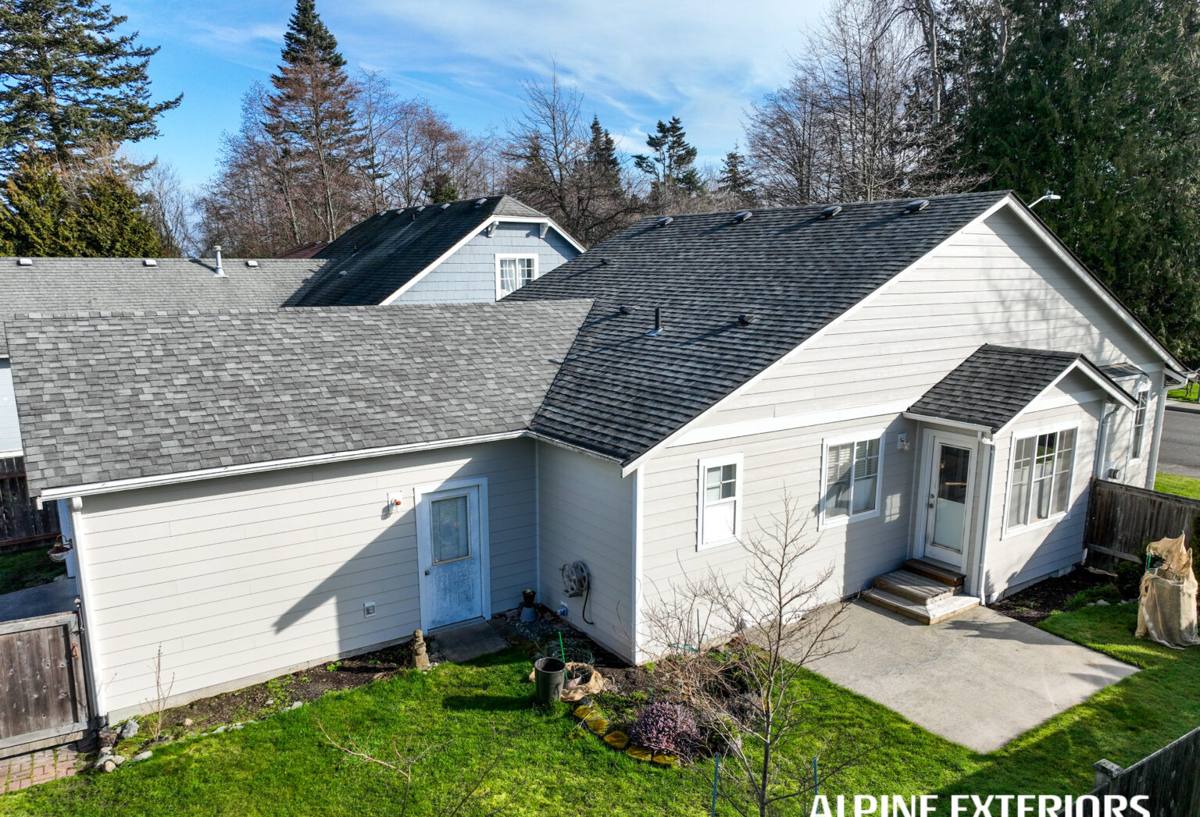
What the Cherry Point Climate Does to a House
A few conditions define exterior wear in this part of Whatcom County, and they compound each other:
Salt Air and Wind-Driven Spray
Proximity to the water means airborne salt settles on siding, trim, window frames, and any exposed metal fasteners. Over years, that salt exposure accelerates corrosion on lower-grade fasteners and flashing, and it degrades paint films and coatings faster than inland exposure would. Materials and finishes that aren't engineered for coastal conditions tend to show it first — chalking, fading, and edge deterioration show up sooner than the manufacturer's marketing suggests.
Driving Rain
Storms off the Strait don't just drop rain straight down — they push it sideways into wall assemblies, window seams, and anywhere flashing or caulking has started to fail. This is a wind-driven-rain environment, and that means water intrusion risk isn't limited to horizontal surfaces like decks and roofs. Vertical siding takes on real water loading during a storm, and any gap in the water management plan behind the siding becomes a problem faster here than in a calmer inland location.
Moss and Sustained Moisture
Whatcom County's long wet season keeps north-facing walls, shaded siding, and roof surfaces damp for extended stretches. Moss and algae take hold anywhere moisture lingers, and on absorptive or poorly finished siding, that sustained dampness contributes to swelling, soft spots, and coating breakdown. Roofs need the same attention — moss buildup on shingles or shakes holds moisture against the roofing material and shortens its service life if it's left unaddressed.
How These Factors Interact
- Salt-laden wind pushes moisture into joints and seams that weren't fully sealed
- Sustained dampness keeps those areas wet long enough for rot or coating failure to start
- Freeze-thaw cycles in colder stretches can widen small cracks that started as minor caulking gaps
- Weak points compound year over year — a small flaw in year one is a real repair by year four or five
Why We Install Only James Hardie Fiber Cement Siding
We install James Hardie siding exclusively. We don't install vinyl, LP SmartSide, Cemplank, Allura, or unprimed wood siding like cedar or spruce, and that's a deliberate standard, not a limitation on what we're capable of installing.
In a coastal environment like Cherry Point, the case for fiber cement over the alternatives is practical, not theoretical:
| Material | Coastal Performance Concern |
|---|---|
| Vinyl siding | Can warp or become brittle under UV and temperature swings; seams and panel edges are a common water-entry point in wind-driven rain |
| LP SmartSide (engineered wood) | Wood-based substrate is more sensitive to sustained moisture exposure than fiber cement; edge sealing and maintenance matter more in wet climates |
| Unprimed cedar or spruce | Requires ongoing refinishing to resist moisture, moss, and salt exposure; higher long-term maintenance burden |
| James Hardie fiber cement | Non-combustible, dimensionally stable, factory-applied ColorPlus finish engineered to resist fading and hold up in wet, salt-exposed climates |
James Hardie makes climate-engineered HZ product lines specifically for regions like the Pacific Northwest, where sustained moisture and temperature swings are the norm rather than the exception. The ColorPlus factory finish is baked on under controlled conditions, which gives it more consistent, longer-lasting color and weather resistance than field-applied paint achieves — a real advantage when the siding is going to face salt air and near-constant rain for years at a stretch. Hardie also backs its siding with a strong transferable warranty, which matters if you ever sell the home.
None of this means the alternatives are junk. LP SmartSide is a reasonable engineered-wood product, vinyl is inexpensive and easy to find installers for, and cedar has real aesthetic appeal. We simply won't put our name on an installation using a product that, in our professional judgment, isn't the best match for what this climate does to a house over 20-plus years. Fiber cement is what we recommend, and it's the only siding we install.
Siding Installation and Replacement
Correct installation matters as much as the product choice, especially in a wind-driven-rain environment. A Hardie installation that's done right includes:
- Proper water-resistive barrier and flashing details behind the siding, not just at the surface
- Correct fastener spacing, type, and placement per Hardie's installation specifications
- Adequate clearance at grade, decks, and roof lines to keep siding out of standing water and splash-back
- Sealed and properly lapped joints at trim, windows, and corners
- Ventilation behind the cladding where the wall assembly calls for it
Skipping any of these steps is how a good product ends up with a bad reputation. We install to spec because that's what makes the warranty meaningful and what actually keeps water out of the wall assembly over the long run.
Roofing for Marine Exposure
Your roof takes the most direct hit from Cherry Point's weather — wind, sustained rain, and moss growth all land on the roof first. We handle roof replacement and repair alongside siding work, which matters because roofing and siding failures are often connected: a compromised roof edge or flashing detail can send water directly into the wall system below it. Addressing both as one exterior system, rather than as two disconnected trades, catches problems that a siding-only or roofing-only contractor might miss.
Windows: Sealing Out Wind-Driven Rain
Window installation quality is where a lot of water intrusion problems actually start, even when the siding and roofing are sound. In a driving-rain climate, window flashing and sealant details need to shed water outward at every layer, not rely on a single bead of caulk to do all the work. We install and replace windows as part of full exterior projects or on their own, with the same attention to flashing integration that we bring to siding work — because a window opening is only as good as the water management built into and around it.
Signs Your Windows May Be Letting Water In
- Soft or discolored drywall or trim near window interiors
- Visible staining or streaking below exterior window sills
- Fogging between panes on double-glazed units (seal failure)
- Drafts or noticeable temperature difference near the frame
- Peeling paint or swelling wood on interior or exterior trim
Decks: Built for Wet, Salt-Exposed Conditions
Outdoor living structures near the water take on moisture from above and, in many cases, humidity and salt exposure from the air itself. Deck framing, fasteners, and ledger connections need to be specified for a wet coastal climate, not a generic build. We build and repair decks with attention to proper drainage, ledger flashing, and fastener corrosion resistance, since those are the details that determine whether a deck lasts one decade or three in this environment.
Why a Local Crew Matters Here
Cherry Point and the surrounding Birch Bay area have specific exposure conditions that a contractor working mostly on inland Whatcom County or Skagit County homes may not encounter often. Knowing which walls take the worst of the wind-driven rain, how moss behaves on shaded coastal roofs, and which flashing details actually hold up to salt air isn't something you learn from a manual — it comes from working in this specific environment repeatedly. We're based in Birch Bay, we work this coastline regularly, and our estimates and recommendations reflect what we've actually seen hold up here, not generic national guidance.
Maintenance in a Coastal Climate
Whatever exterior work you have done, a bit of routine attention extends its life significantly in this environment:
| Task | Why It Matters Here |
|---|---|
| Rinse siding and trim periodically | Reduces salt buildup and residue from airborne spray |
| Clear roof and gutters of moss and debris | Prevents moisture retention that shortens roofing life |
| Inspect caulking at windows and trim annually | Catches small gaps before wind-driven rain exploits them |
| Check deck fasteners and ledger flashing | Corrosion and water intrusion progress faster in salt air |
Get a Free, No-Pressure Estimate
If you're weighing a siding replacement, roof work, new windows, or a deck project for a Cherry Point property, we're glad to take a look and give you a straightforward assessment — what your home is actually dealing with, what it needs, and what it doesn't. Use the form below to request a free estimate.