 Birch Bay Siding
 Why Siding Quotes Vary So Much From House to House
Ask three contractors to price the same siding job and you'll often get three different numbers, sometimes by thousands of dollars. That's not because someone is padding a bid or someone else is lowballing you. Siding pricing is a function of a long list of variables specific to your house, your site, and the product being installed, and no two homes line up the same way on all of them.
The goal of this page isn't to hand you a single number, because an honest contractor can't do that without seeing your house. It's to walk through what actually moves the price, so you can look at a quote and understand what you're paying for instead of just comparing bottom-line totals.
The Big Cost Drivers
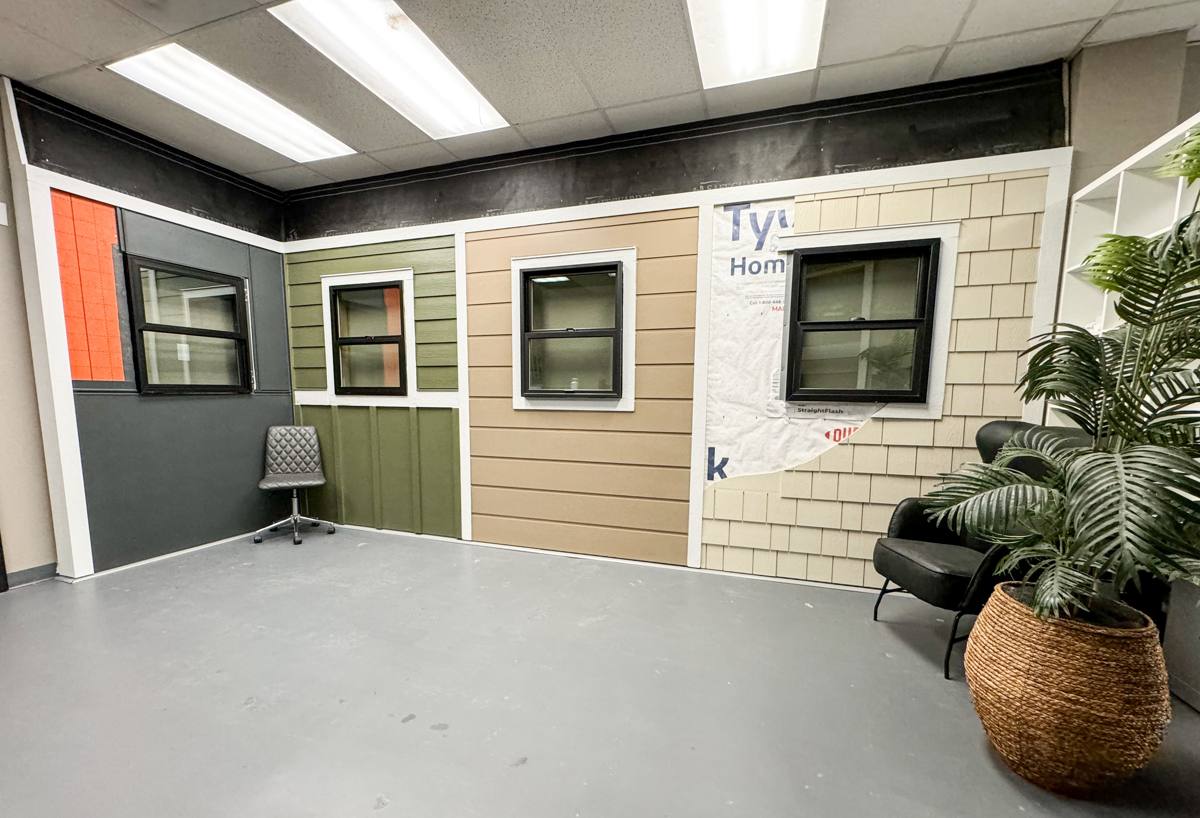
Most of the spread between bids comes down to a handful of factors. Some are about the house itself, some are about the product, and some are about the labor required to do the job correctly.
| Factor | Why It Moves the Price |
|---|---|
| House size and wall complexity | More square footage means more material and labor; more corners, gables, and dormers mean more cutting, flashing, and trim work per square foot |
| Tear-off vs. install over existing siding | Removing old siding, disposing of it, and inspecting the sheathing underneath adds labor that installing over existing siding skips |
| Sheathing and framing condition | Rot or water damage found once old siding comes off has to be repaired before new siding goes on, and you often can't know the full extent until the walls are open |
| Siding material | Vinyl, engineered wood, and fiber cement all have different material costs and different installation labor requirements |
| Trim, corners, and accessory work | Corner boards, window and door trim, fascia, and soffit work are often priced separately from the field siding itself |
| House height and access | Two-story walls, steep sites, or limited access for staging and scaffolding add time and equipment cost |
| Local permitting and code requirements | Whatcom County and City of Blaine/Birch Bay area permitting adds a line item and can affect timeline |
Tear-Off vs. Installing Over Existing Siding
One of the first decisions that affects price is whether the old siding comes off or the new siding goes over it. Installing over existing siding is cheaper up front because it skips demolition, disposal, and the labor of removing and hauling away the old material. It's a common approach with some vinyl and engineered wood installations.
The trade-off is that you never see what's behind the old siding. If there's water damage, rot, or improperly flashed windows underneath, it stays hidden and keeps deteriorating. A full tear-off costs more, but it's the only way to actually inspect the sheathing, house wrap, and flashing, catch problems while the walls are open, and start the new siding on a surface you know is sound. For a coastal property in Whatcom County dealing with driving rain off the Strait of Georgia, that inspection step is worth more than it looks like on paper.
What Material Choice Does to the Number
Material is usually the second-biggest swing factor after house size, and it's the one homeowners have the most control over. Broadly, vinyl siding sits at the lower end of the cost range, engineered wood products land in the middle, and fiber cement sits higher on material cost but carries a different labor and lifespan profile.
A lower material cost isn't automatically a lower lifetime cost. Cheaper products can mean more frequent repainting, more susceptibility to moisture or impact damage, and a shorter window before you're back to replacing siding again. We install exclusively James Hardie fiber cement siding for exactly this reason — it costs more to put on the wall, but it's engineered to handle the Pacific Northwest's wet, salt-exposed climate without the recurring maintenance and shorter replacement cycles that lower-cost materials often bring in a marine environment like Birch Bay.
Where Fiber Cement's Higher Cost Actually Goes
- A factory-applied ColorPlus finish that's baked on rather than field-painted, which is why it holds color longer than site-painted trim
- A denser, non-combustible material that resists impact, moisture, and pest damage better than lighter-weight products
- Climate-engineered product lines (HZ5 for the wetter Pacific Northwest zones) formulated for regions that see sustained moisture exposure
- A heavier product that requires more cutting expertise, correct fastener spacing, and proper joint treatment to install correctly
Labor: Why Correct Installation Costs What It Costs
Labor is easy to underestimate when you're comparing quotes, but it's often the larger share of the total. Correct siding installation isn't just nailing panels to a wall. It involves proper house wrap and weather barrier installation, correct flashing at every window, door, and roofline intersection, proper fastener type and spacing for the specific product, and attention to expansion gaps and joint treatment so the assembly can handle temperature and moisture swings without failing prematurely.
Fiber cement in particular is unforgiving of shortcuts. It requires specific blade types for cutting, correct nailing patterns, and manufacturer-specified clearances at grade and roof lines to keep the warranty valid. A crew that rushes those details can put a good product on a wall and still end up with problems in a few years. That's part of why labor pricing varies between contractors even when the material is identical — you're paying for the difference between a crew that follows the installation manual and one that doesn't.
What Birch Bay's Climate Adds to the Job
Location affects cost in ways that aren't always obvious from a quote. Birch Bay sits right on the water, and that proximity to the Strait of Georgia means homes here deal with salt air, driving wind-driven rain, and a long moss season that inland Whatcom County properties don't face to the same degree. Salt exposure accelerates corrosion on fasteners and trim if the wrong hardware is used, and sustained moisture puts extra demand on flashing details and the water-resistive barrier behind the siding.
None of that necessarily raises the sticker price of the job, but it raises the cost of doing it wrong. A house sided cheaply and quickly near the water in Birch Bay tends to show problems sooner than the same job done inland, which is why the installation quality factors above matter more here than they would in a drier, more sheltered part of the county.
Hidden Costs Homeowners Often Miss
Beyond the headline material and labor numbers, a few line items catch people off guard if they weren't budgeted for up front. Walking through these with your contractor before work starts avoids surprises mid-project.
- Sheathing repair: if rot is found once old siding comes off, replacing damaged sheathing is typically billed separately since the extent isn't known until the walls are open
- Window and door trim: new siding often means new trim to match the added thickness of the new material and flashing system
- Permit fees: local permitting adds a modest but real cost and can affect scheduling
- Disposal fees: tear-off jobs generate a dumpster's worth of old material that has to be hauled and disposed of
- Paint or caulk touch-up at trim lines: even with factory-finished siding, field-cut edges and adjoining trim may need sealing or minor finishing
- Gutter or downspout adjustments: sometimes gutters need to be temporarily removed and reset to accommodate new siding thickness
Getting an Accurate Quote
Because so much of the final number depends on what a contractor finds once the old siding is off, the most useful thing a homeowner can do is get an in-person walkthrough rather than relying on a phone estimate or a square-footage rule of thumb. A contractor who's willing to walk your walls, look at your trim details, and talk through tear-off versus overlay before quoting is giving you a number you can actually plan around.
It's also worth asking what's included in the number: is trim work itemized separately, is disposal included, does the quote assume sheathing is sound, and what happens to the price if it isn't. Those answers tell you more about the real cost of the project than the bottom-line total by itself.
Questions Worth Asking Before You Sign
- Does this quote assume tear-off or install-over, and why?
- What happens to the price if sheathing repair is needed?
- Is trim, flashing, and disposal included or billed separately?
- What fastener type and installation spec will be used for this product?
- What's covered under the manufacturer's warranty versus the installer's workmanship warranty?
If you're weighing a siding project on a Birch Bay home and want a real number instead of a guess, we're happy to walk the property, look at what's actually going on with your walls, and put together a free, no-pressure estimate.