 Birch Bay Siding
 Siding in Ferndale: Built for a Coastal-Adjacent Climate
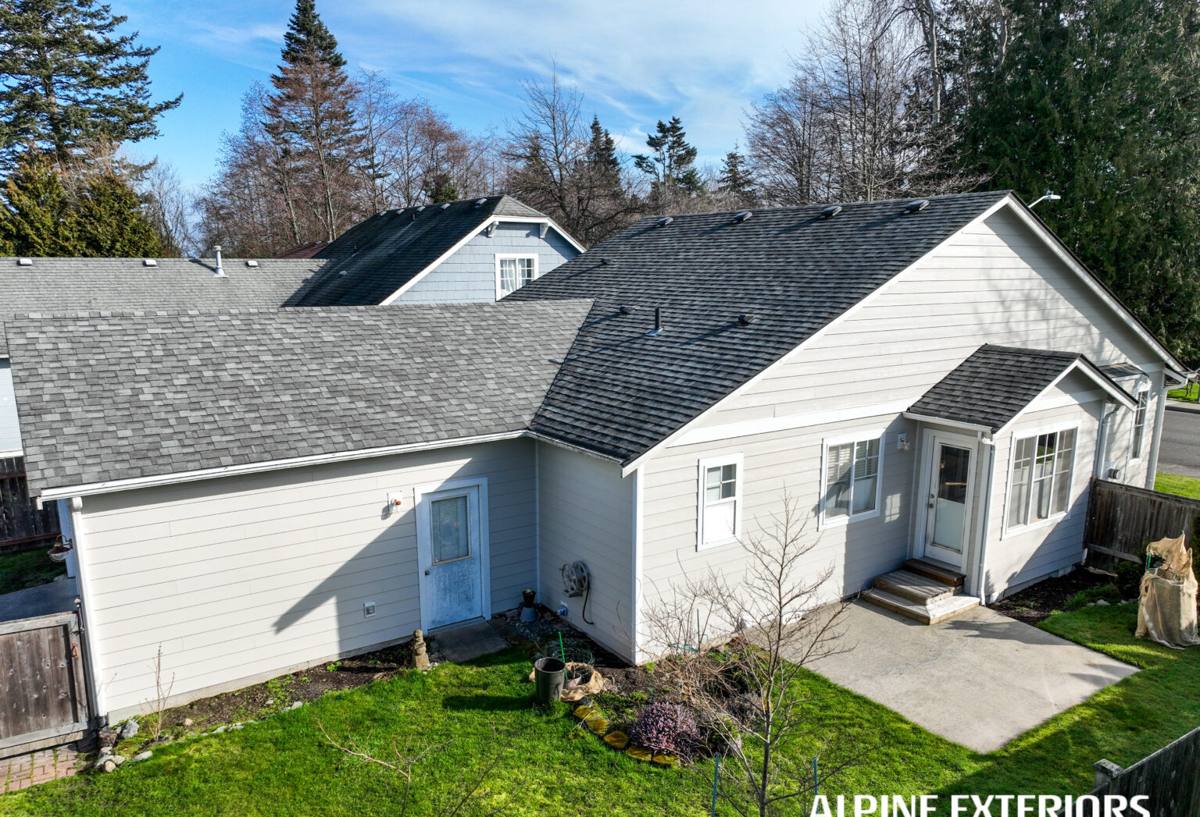
Ferndale sits close enough to Birch Bay and the Strait of Georgia that homes here deal with a mix of coastal and river-valley weather. You get salt-tinged air blowing in off the water, long stretches of driving rain through fall and winter, and a moss season that seems to start earlier and last longer every year. None of that is unusual for Whatcom County, but it does mean the exterior of a Ferndale home works harder than a house sitting fifty miles inland. Siding, trim, and roofing take the brunt of it, and the difference between a house that ages well and one that needs constant patching almost always comes down to what materials were used and how carefully they were installed.
We're a local crew based out of Birch Bay, and Ferndale is well within our regular service area. That matters more than it sounds like it should — a contractor who works this stretch of the county day in and day out knows which walls take the worst weather exposure, how moss behaves on north-facing roof lines here, and what kind of moisture problems tend to show up first in older Ferndale housing stock.
What Ferndale's Climate Actually Does to a House
Salt Air and Metal Fatigue
Even a few miles inland from Birch Bay, salt-laden air still reaches Ferndale on windy days, especially with weather moving in off the Strait. Salt accelerates corrosion on exposed fasteners, flashing, gutters, and any metal trim that isn't properly coated or protected. Over years, this shows up as rust streaks, pitted hardware, and premature failure of cheaper trim materials.
Driving Rain
Whatcom County doesn't just get rain — it gets wind-driven rain that hits siding at an angle instead of falling straight down. That means water gets forced into seams, laps, and butt joints that would stay dry in a calmer climate. Any siding system with weak water management at the seams is going to let moisture in eventually, and once moisture gets behind siding, it doesn't leave quickly.
Moss and Sustained Dampness
Long, cool, wet seasons are exactly what moss and algae need to thrive. Roofs, north-facing siding, and shaded walls near mature trees are the most vulnerable. Moss holds moisture against a surface far longer than open air would, which is a problem for wood-based products in particular, and it's a maintenance headache for anyone dealing with roof valleys or lower siding courses that stay in shade most of the day.
Why We Only Install James Hardie Fiber Cement
We made a decision a while back to stop installing several products that are common elsewhere in the industry — vinyl, LP SmartSide, Cemplank, Allura, primed spruce, and cedar. That's not because those products are worthless; it's because after years of installing and repairing siding in this climate, we concluded they don't hold up as consistently as James Hardie fiber cement, and we didn't want to keep standing behind installs we knew would need more attention down the road.
The Trade-Offs We Kept Running Into
- Vinyl handles rain fine but can warp or crack in temperature swings, and it doesn't offer the fire-resistance profile fiber cement does.
- LP SmartSide is an engineered wood product — solid where installed and maintained correctly, but wood-based products are more sensitive to sustained moisture exposure, which is exactly what this climate delivers.
- Cemplank and Allura are also fiber cement, and reasonable products in their own right — our preference for Hardie comes down to their specific formulation, factory finish process, and the depth of product lines engineered for wet climates, plus the strength of the warranty behind it.
- Primed spruce and cedar are traditional, attractive options, but raw or primed wood siding needs disciplined repainting and caulking schedules to keep moisture out — skip a cycle in a climate like this and problems show up fast.
James Hardie fiber cement is non-combustible, dimensionally stable, and comes with a factory-applied ColorPlus finish that's engineered to resist fading and moisture intrusion far better than a field-applied paint job. Hardie also builds specific product lines (their HZ5 and HZ10 designations) engineered for climate zones like ours — freeze-thaw cycles, sustained rain, and humidity. That climate-specific engineering, combined with a strong transferable warranty, is why we standardized on it and stopped installing the alternatives.
Our Ferndale Siding Process
Inspection and Assessment
Every job starts with a real look at the existing siding and the wall assembly behind it — not just a visual check from the ground. We're looking for soft spots, moisture staining, failed caulking, and any signs that water has already gotten behind the current siding. In a climate like Ferndale's, what's happening behind the siding matters as much as what you can see on the surface.
Water Management Details
Given how much wind-driven rain this area sees, we pay close attention to flashing at windows, doors, and roof-to-wall transitions, along with proper lap sequencing and rainscreen gaps where called for. These details are where most siding failures actually originate — not in the siding material itself, but in the water management behind it.
Installation to Manufacturer Spec
James Hardie's warranty and performance depend on installation matching their specifications — correct fastener placement, proper clearances, and correct joint treatment. We install to that spec every time, because a Hardie product installed off-spec loses both its performance advantages and its warranty protection.
Comparing Siding Options for Whatcom County Homes
| Material | Moisture Resistance | Fire Resistance | Maintenance | Typical Lifespan |
|---|---|---|---|---|
| James Hardie Fiber Cement | Excellent (engineered HZ lines) | Non-combustible | Low — factory finish, no repainting cycle needed for years | 30-50 years+ |
| Vinyl | Good, but seams can allow intrusion | Combustible, can warp near heat | Low, but cracks/fades over time | 20-30 years |
| Cedar / Primed Wood | Fair — needs consistent sealing | Combustible | High — regular painting/caulking | 15-25 years with upkeep |
| LP SmartSide | Good if maintained, sensitive if not | Combustible | Moderate | 20-30 years |
These ranges are general industry expectations, not guarantees — actual performance always depends on installation quality, exposure, and upkeep.
Roofing, Windows, and Decks: The Rest of the Envelope
Siding doesn't work in isolation. A Ferndale home's roof deals with the same moss pressure and driving rain, and a roof that's shedding water poorly will eventually push moisture problems down into the siding and trim below it. We handle roofing as part of the same exterior picture — replacement, repair, and moss mitigation where it's causing real damage rather than just cosmetic buildup.
Windows are another common weak point in older homes in this area. Original single-pane or early double-pane windows often have failed seals or degraded flashing that lets moisture track into the wall assembly around them — frequently mistaken for a siding problem when the window itself is the source. Decks, meanwhile, take direct rain exposure and need materials and fastening that account for standing water and freeze-thaw movement rather than just looking good on a dry day.
Looking at the whole exterior together — rather than treating siding, roofing, windows, and decks as separate problems — is how you actually stop water intrusion instead of chasing it around the house.
What to Look for When Hiring a Siding Contractor Here
- Ask whether they inspect and address the wall assembly behind old siding, not just the visible surface.
- Confirm they install to the manufacturer's written specifications — this is what keeps warranties valid.
- Ask how they handle flashing at windows, doors, and roof lines specifically, since that's where most local failures start.
- Get clarity on what warranty applies to both material and labor, and who honors it if something goes wrong years later.
- Look for a crew that actually works this specific area regularly, rather than one passing through from farther away.
A Local Crew, Not a Regional Sales Operation
There's a real difference between a contractor who lives and works in this part of Whatcom County and one dispatched from a call center covering half the state. We know how Ferndale's exposure to wind off the bay differs block to block, which older homes in the area tend to have the same recurring moisture issues, and how moss builds differently on a shaded north wall versus a sun-exposed south wall. That local knowledge shapes real decisions on a job — where extra flashing attention matters, which walls need closer inspection, and what maintenance schedule actually makes sense for this climate rather than a generic one written for a drier region.
Get a Straightforward, No-Pressure Estimate
If your Ferndale home's siding, roofing, windows, or decks are showing signs of wear — or you just want a straight answer about whether James Hardie fiber cement is the right move for your house — we're happy to come take a look. There's no obligation and no pressure, just an honest assessment from a crew that works this exact climate every day. Use the form below to request your free estimate.