 Birch Bay Siding
 Deck Repair Built for Ferndale's Coastal Conditions
Ferndale sits close enough to Birch Bay and the Strait of Georgia that homes here deal with the same weather pattern as the rest of Whatcom County's coastline: salt-laden air, driving rain that comes in sideways off the water, and a moss season that can run from October clear through April. A deck built or repaired without that reality in mind will show it within a few winters — soft boards, rusted fasteners, and railings that wobble more each year. We repair decks in the Ferndale area with those specific conditions in mind, not a generic checklist pulled from a drier climate.
This page covers deck repair specifically — not full replacements, not new builds. If your deck's frame is sound but the surface, railings, or connections need work, this is the service you're looking at.
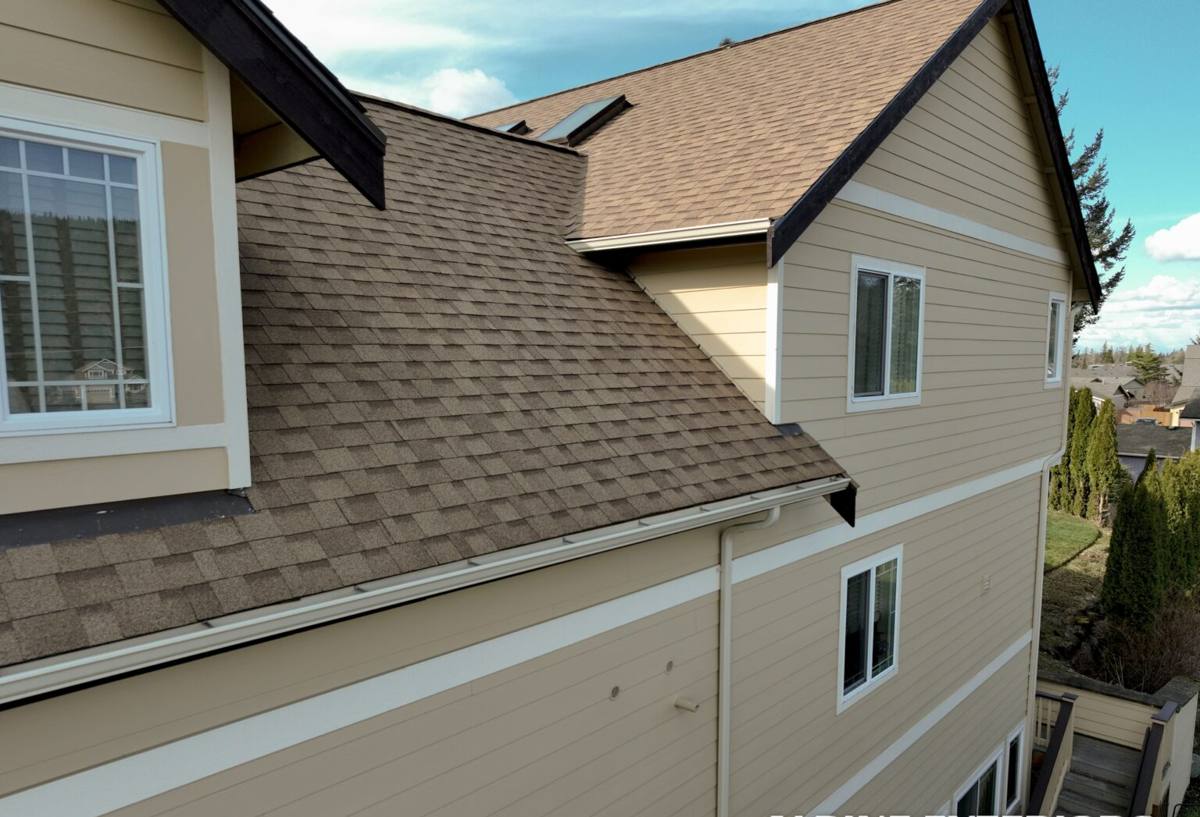
What Salt Air and Long Wet Winters Do to a Deck
Coastal moisture doesn't just sit on the surface — it works into every joint, fastener, and end-grain cut on a deck. A few patterns show up again and again on decks we've inspected in this area:
- Fastener corrosion: Standard screws and nails that aren't rated for coastal exposure rust from the inside of the wood outward, staining the boards and losing grip before the wood itself fails.
- Moss and algae buildup: Shaded decks or ones under tree cover stay damp for days after a rain, which lets moss get a foothold on boards and between deck planks — moss holds moisture against the wood and accelerates rot.
- Ledger board and post-base rot: Where the deck attaches to the house, or where posts meet concrete footings, water tends to collect and sit. These are structural connection points, so rot here isn't cosmetic — it's a safety issue.
- Railing and stair connection fatigue: Railings take constant flexing from wind and use, and in salty coastal air the hardware holding them loosens faster than it would inland.
- Surface graying and splintering: UV and moisture cycling breaks down the top layer of wood fibers, which is mostly cosmetic but becomes a real splinter and slip hazard on stairs and high-traffic boards.
Why This Matters More in Ferndale Than Inland Whatcom County
Homes further from the water in Whatcom County still deal with plenty of rain, but they don't get the added corrosion pressure that salt air brings. A deck in Ferndale near the bay is doing double duty — fighting rot from constant moisture and fighting corrosion from salt exposure at the same time. That's why we don't treat every deck repair the same regardless of where the house sits.
What a Correct Deck Repair Actually Involves
A repair that just replaces the board that looks bad and calls it done usually misses the cause. Our process starts with figuring out why a section failed before we touch a hammer.
1. Structural Inspection First
We check the ledger board attachment, joist condition, post bases, and any spots where water has clearly been pooling or draining slowly. If the frame underneath a bad-looking board is also compromised, replacing just the surface board is a temporary fix at best.
2. Identify Rot vs. Surface Weathering
Not every gray, rough board needs replacing. Surface weathering can often be addressed with cleaning, sanding, and refinishing. Actual rot — soft spots, a screwdriver sinking in easily, crumbling wood — needs to be cut out and replaced. We tell you which is which before recommending work.
3. Match or Upgrade Fasteners
If the original fasteners weren't coastal-rated, part of a proper repair is swapping them for stainless steel or hot-dip galvanized hardware rated for salt exposure, even if that means slightly more cost upfront. Reusing the same grade of fastener that just failed doesn't solve the underlying problem.
4. Address Drainage and Airflow
A lot of repeat deck problems come back to water not being able to get away from the structure. Where we can, we address gaps, flashing, or grading issues that are feeding moisture back into the deck, not just replace what's damaged.
5. Railings and Stairs Get Checked for Structural Integrity, Not Just Wobble
A loose railing isn't just annoying — it's a code and safety issue. We check post attachment points and baluster spacing as part of any repair scope, since these are the components most likely to fail under real load, not just under a light push test.
Repair vs. Replacement: How We Help You Decide
Not every deck with problems needs to come down. But there's a point where patch repairs stop making financial sense. Here's how we generally break that decision down:
| Condition | Usually Repairable | Usually Needs Replacement |
|---|---|---|
| Isolated soft or rotted boards | Yes | No |
| Rusted or failing fasteners, frame otherwise sound | Yes | No |
| Loose or damaged railings | Yes | No |
| Rot at the ledger board or house attachment | Sometimes, if caught early | Often, if it's spread |
| Multiple posts or joists showing rot | No | Yes |
| Deck is 20+ years old with widespread surface failure | No | Yes |
We'll tell you honestly which category your deck falls into. If a full replacement really is the better long-term value, we'll say so rather than stacking repairs on a structure that's past the point of it making sense.
Materials We Use for Coastal Repairs
What goes into a repair matters as much as the labor. For decking material in a salt-air environment like Ferndale, we lean toward options that handle moisture and coastal exposure well:
- Pressure-treated lumber: A solid, cost-effective choice for structural repairs — joists, posts, framing — when properly sealed and maintained.
- Composite decking boards: For surface-level repairs where a homeowner wants to reduce future maintenance, composite resists moisture absorption and doesn't need the same refinishing cycle as wood.
- Stainless or hot-dip galvanized fasteners: Standard in any repair we do near the water — the extra cost is minor compared to the cost of redoing a repair in five years because the hardware failed first.
We don't push one product line as a cure-all. Every material has trade-offs in maintenance, appearance, and installation sensitivity, and we'll walk through those honestly based on your deck's actual exposure and how you use the space.
A Note on Moss and Algae Treatment
Cleaning moss off a deck is part of most repair visits in this area, but it's worth doing right — pressure washing at too high a setting can damage wood fibers and actually open the surface up to faster moisture absorption afterward. We use methods appropriate to the material so the cleaning doesn't create a new problem.
Our Process for Ferndale-Area Deck Repairs
- Free on-site inspection. We look at the whole structure, not just the spot you called about — hidden problems are common at ledger boards and post bases.
- Honest scope and estimate. You get a clear breakdown of what needs to happen and why, including whether repair is the right call versus replacement.
- Scheduled repair work. We work around Whatcom County's weather windows — deck repair goes faster and holds up better when it's not rushed between rain systems.
- Final walkthrough. We check the repaired sections with you before calling the job done, including railings and stairs.
Why a Local Crew Matters for This Kind of Repair
Deck repair work near the bay isn't the same trade as deck repair fifty miles inland. A crew that already works Ferndale and the surrounding Birch Bay area has seen how fast moss establishes on a shaded north-facing deck here, which fastener grades hold up and which don't, and where water tends to collect on the deck styles common to this part of Whatcom County. That's the difference between a repair that lasts one season and one that lasts a decade. We're not learning the local climate on your project — we already know it.
Simple Maintenance That Extends a Repair's Life
Once repairs are done, a little seasonal upkeep goes a long way in this climate:
- Sweep leaves and debris off the deck surface regularly in fall — trapped debris holds moisture and feeds moss growth.
- Rinse salt residue off the deck a few times a year, especially after storms with onshore wind.
- Check railing hardware for looseness once or twice a year — catching this early prevents a bigger repair later.
- Reseal or refinish wood decking on the manufacturer's recommended schedule, not just when it looks bad.
- Keep gutters and downspouts clear so runoff isn't draining directly onto or under the deck.
Get an Honest Look at Your Deck
If your deck in the Ferndale area has soft spots, loose railings, rusted hardware, or just isn't holding up the way it used to, we'll come take a look and tell you straight what it needs. Fill out the form below for a free, no-pressure estimate — no obligation, just an honest assessment from a crew that already knows this coastline.