 Birch Bay Siding
 Roof Replacement Built for Bellingham's Coastal Climate
Bellingham sits close enough to the water that salt-laden air, wind-driven rain, and long stretches of overcast, moss-friendly weather all factor into how a roof ages here. A roof system that would hold up fine further inland can wear out faster in this part of Whatcom County if it wasn't chosen and installed with these conditions in mind. When we replace a roof for a Bellingham home, we're not just swapping old shingles for new ones — we're building a system meant to handle salt exposure, saturated winters, and the moss growth that comes with shade, moisture, and mild temperatures nearly year-round.
This page focuses specifically on full roof replacement for homes in and around Bellingham. If you're dealing with a leak or a handful of damaged shingles, a repair may be the right call — we'll tell you that honestly during an inspection. But when a roof is past the point where patching makes sense, here's what a correct replacement looks like in this climate, and why local experience matters as much as the materials themselves.
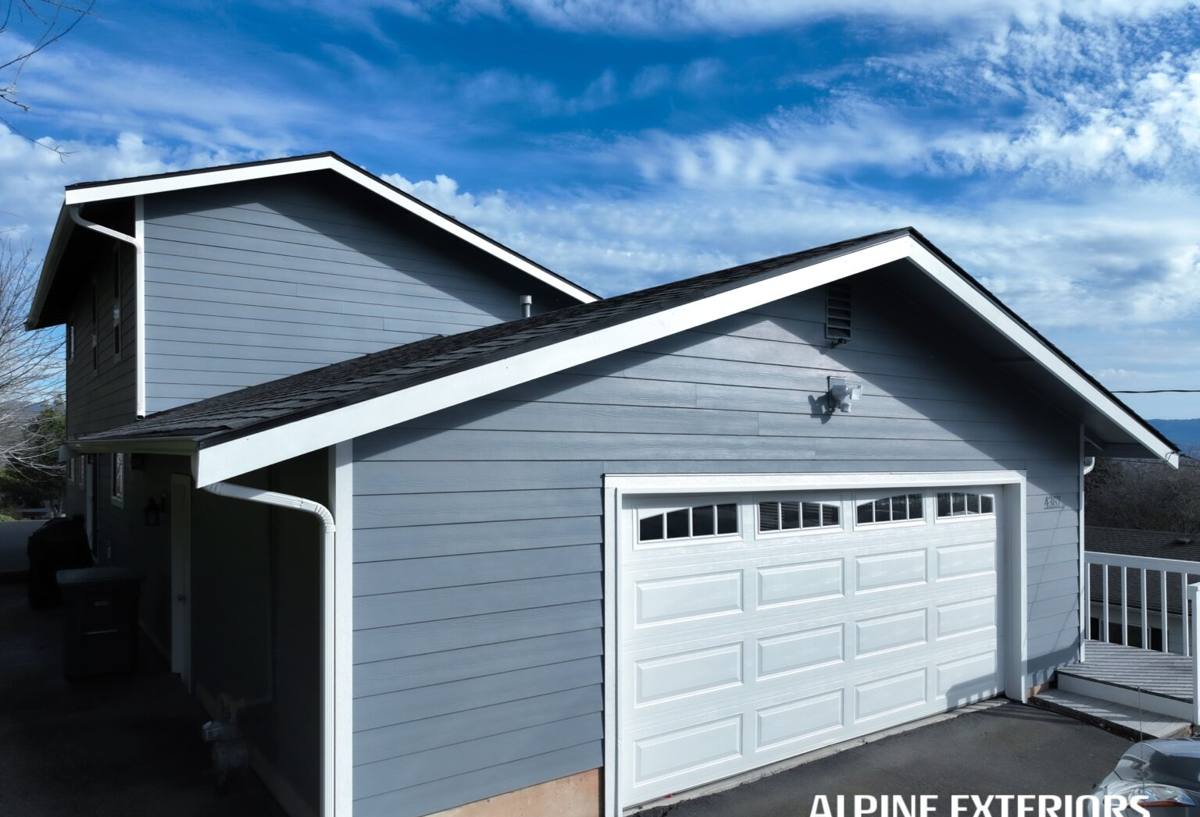
What Bellingham's Climate Actually Does to a Roof
Three conditions do most of the damage to roofs in this area, and they compound each other:
Salt Air and Marine Moisture
Proximity to Bellingham Bay and the greater Salish Sea means the air carries more salt and humidity than a roof further inland ever sees. Salt-laden moisture accelerates corrosion on exposed metal fasteners, flashing, and vents. It also keeps roofing materials damp longer after a storm, which matters a lot once moss and algae enter the picture.
Driving, Wind-Driven Rain
Storms coming off the water often bring rain sideways, not straight down. That means water gets pushed up under shingle edges, into valleys, and around penetrations in ways that vertical rain doesn't. Underlayment, flashing details, and fastening patterns all need to account for wind-driven moisture, not just gravity.
A Long Moss Season
Cool temperatures, shade from mature trees, and consistent moisture give moss and algae a long growing window in Whatcom County — often most of the year on north-facing or shaded slopes. Moss doesn't just look bad. As it grows, it lifts shingle edges, holds water against the roof deck, and shortens the usable life of the roofing material significantly if left unmanaged.
Signs a Bellingham Roof Needs Replacement, Not Repair
Not every roofing problem calls for a full tear-off. These are the signs that usually mean replacement is the more honest recommendation:
- Granule loss heavy enough that shingles look patchy or bald in sun-exposed areas
- Moss or algae that keeps returning within a season or two even after cleaning
- Soft spots or sagging in the roof deck, which usually means moisture has reached the plywood
- Repeated leaks in different spots rather than one isolated failure point
- Shingles that are curling, cracking, or losing their seal, especially on the side facing prevailing weather
- A roof that's already had multiple patch repairs and is approaching or past its expected service life
If a roof is showing one or two of these signs in isolated spots, targeted repair can still make sense. If several are present at once, replacement is usually the more cost-effective path — repeated repairs on a failing roof add up without solving the underlying problem.
What a Correct Roof Replacement Involves Here
A roof replacement done right in this climate isn't just about the shingles on top. The layers underneath matter just as much, especially with the amount of moisture Bellingham roofs deal with.
Tear-Off and Deck Inspection
We remove the old roofing down to the deck so we can actually see what's underneath. This is where hidden moisture damage from years of moss cover or slow leaks shows up. Any soft or rotted decking gets replaced before anything new goes down — covering over a compromised deck is how small problems become expensive ones.
Ice and Water Protection at Vulnerable Points
Eaves, valleys, and areas around chimneys or skylights get additional waterproof underlayment. These are the spots where wind-driven rain and ice most commonly force water backward under the roofing material, and they deserve extra protection regardless of the primary roofing product chosen.
Ventilation That Matches the Climate
Proper intake and exhaust ventilation keeps moisture from building up inside the attic, which matters in a climate where the air outside is already damp much of the year. Poor ventilation traps humidity against the underside of the deck, which accelerates rot and can void material warranties.
Flashing and Fastening for Wind-Driven Rain
Flashing around penetrations, walls, and valleys gets installed to shed water even when it's coming in sideways, not just straight down. Fastening patterns are set to manufacturer and local wind-exposure specifications, not just the minimum required to pass inspection.
Material Selection with Moss Resistance in Mind
For roofs with significant shade or north-facing exposure, we discuss algae-resistant shingle options and, where it makes sense, features like copper or zinc strips near the ridge that help suppress moss regrowth over time. No roofing material is moss-proof in this climate, but some choices make ongoing maintenance considerably easier.
Comparing Common Roofing Choices for Bellingham Homes
Homeowners in Whatcom County typically weigh a handful of roofing material options. Here's how they generally compare against the specific pressures of salt air, driving rain, and moss:
| Material | Moss/Algae Resistance | Wind-Driven Rain Performance | Maintenance Considerations |
|---|---|---|---|
| Standard asphalt shingles | Moderate; benefits from algae-resistant granules | Good, with proper underlayment and flashing | Periodic moss removal in shaded areas |
| Algae-resistant asphalt shingles | Better; granules include copper compounds that slow algae growth | Good, same installation standards apply | Lower moss upkeep than standard shingles |
| Metal roofing | Strong; smooth surface discourages moss adhesion | Excellent when seams and flashing are correctly installed | Low; occasional debris clearing |
| Cedar shake | Requires ongoing treatment to resist moss and rot in a wet climate | Adequate with proper installation, but moisture-sensitive over time | Higher; regular maintenance is part of the trade-off |
We'll walk through these trade-offs honestly based on your roof's exposure, the amount of shade it gets, and your long-term maintenance preferences — there's rarely a single "best" answer that fits every home.
What Roof Replacement Typically Costs, and What Changes the Number
Roof replacement pricing varies by roof size, pitch, material choice, and how much decking repair is needed once the old roof comes off, so we won't quote a number here that doesn't apply to your specific roof. What we can tell you is which factors tend to move the price up or down on Bellingham homes specifically:
| Factor | Why It Matters Locally |
|---|---|
| Roof pitch and access | Steeper roofs and limited access add labor time and safety measures |
| Extent of deck damage | Homes with long-term moss cover often have more hidden rot to address |
| Material choice | Metal and algae-resistant shingles cost more upfront but reduce maintenance |
| Number of penetrations | Chimneys, skylights, and vents each need individual flashing work |
| Shade and moss history | May justify copper/zinc strips or algae-resistant materials |
We provide a detailed, written estimate after inspecting the actual roof — not a ballpark over the phone. That's the only way to give you a number you can actually rely on.
How Our Replacement Process Works
- Inspection and honest assessment. We look at the whole roof system — deck, ventilation, flashing, and current material condition — and tell you plainly whether repair or replacement makes sense.
- Written estimate and material discussion. You get a clear scope of work and pricing, along with a straightforward conversation about material trade-offs for your specific roof's exposure.
- Scheduling around Bellingham weather. We plan installation windows with the region's rain patterns in mind so the deck isn't left exposed longer than necessary.
- Tear-off and deck repair. Old material comes off, the deck gets inspected, and any damaged sections are replaced before anything new is installed.
- Underlayment, flashing, and ventilation installed to spec. These layers are what actually determine how the roof performs in wind-driven rain over the following years.
- Final walkthrough. We go over the completed work with you, including any moss-prevention features installed, so you know what to expect going forward.
Why a Crew That Already Works in Bellingham Makes a Difference
A roofing crew that regularly works Whatcom County homes already understands which slopes tend to hold moss, how local wind patterns drive rain into valleys and eaves, and which flashing details actually hold up against marine air over time. That's different from applying a generic installation approach and hoping it performs the same way it would in a drier inland climate. Local experience also means realistic scheduling around the region's rain patterns, so your roof deck isn't left exposed longer than it needs to be during tear-off.
We also stand behind the work with clear warranty terms on both materials and labor, so you know exactly what's covered if something needs attention down the road.
Maintaining a New Roof in a Wet, Shaded Climate
Even a correctly installed roof benefits from basic upkeep in this climate. A short annual checklist goes a long way:
- Clear debris from valleys and gutters before the fall rains set in
- Have moss or algae growth addressed early, before it lifts shingle edges
- Check attic ventilation isn't blocked by insulation or storage
- Inspect flashing around chimneys and skylights annually for movement or gaps
- Trim back overhanging branches that keep sections of the roof shaded and damp
None of this requires a major time investment, but skipping it is how a well-installed roof loses years off its lifespan in a climate like this one.
If your roof is showing signs of wear, persistent moss, or you're just past due for an honest evaluation, we're happy to take a look. Request a free, no-pressure estimate using the form below and we'll walk the roof with you and give you a straight answer about what it actually needs.