 Birch Bay Siding
 Building a Deck That Actually Holds Up in Birch Bay Village
Birch Bay Village sits close enough to the water that every outdoor structure on your property deals with conditions inland Whatcom County homes never see. Salt-laden air, driving rain off the Strait, and a long stretch of gray, damp months each year add up to a specific set of demands on a deck: fasteners that corrode faster than they should, wood that never fully dries between storms, and moss that takes hold on any surface that stays shaded and wet. A deck built without those factors in mind can look fine for a season or two and then start failing in ways that are expensive to fix.
We build custom decks specifically with this coastline in mind — not a generic deck plan pulled from a catalog and dropped onto a Birch Bay Village lot. That means thinking through drainage, material selection, and hardware before the first post hole is dug, not after the first winter reveals a problem.
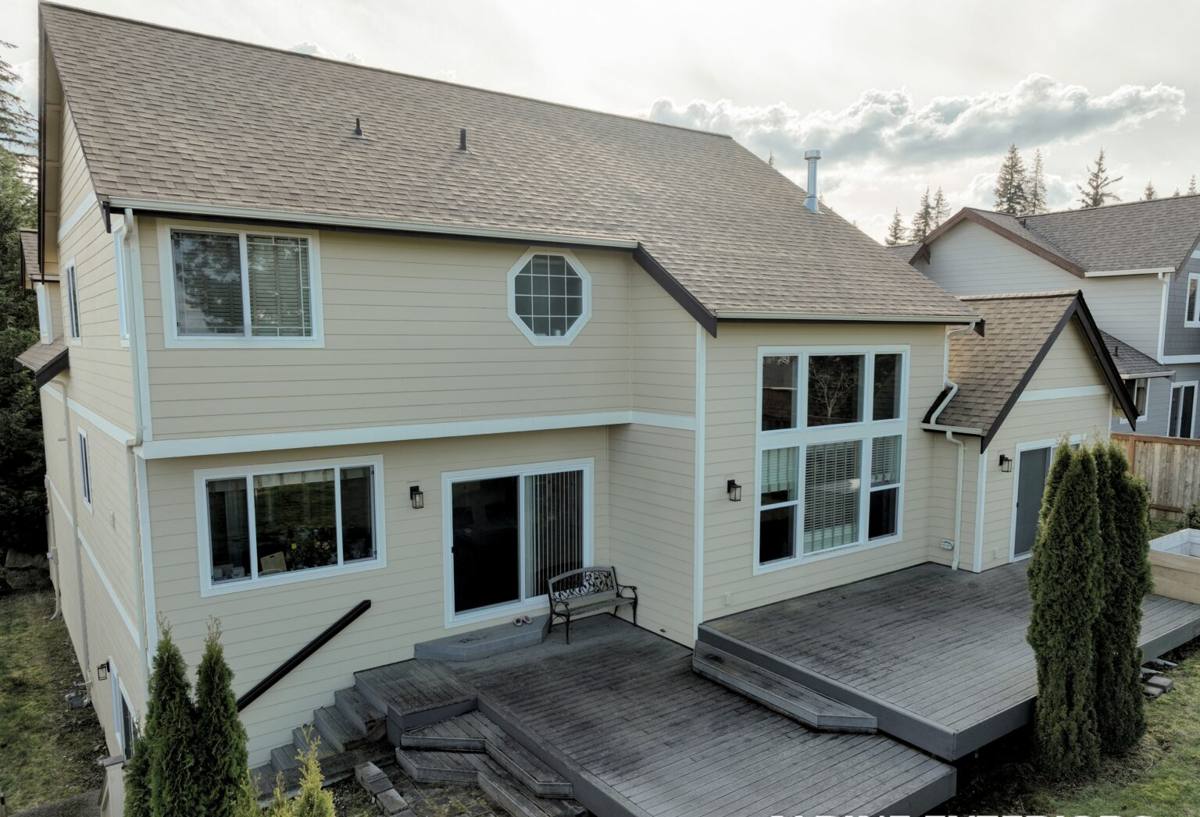
What Birch Bay Village's Climate Does to a Deck Over Time
A few conditions come up again and again on decks in this area:
- Salt air corrosion — metal fasteners, brackets, and railing hardware that aren't rated for coastal exposure can start rusting and staining within a few years, well before the wood or decking itself shows wear.
- Driving rain intrusion — wind-driven rain doesn't just fall straight down here; it gets pushed sideways into ledger connections, stair stringers, and any gap where flashing wasn't done correctly.
- Moss and algae growth — shaded decking, north-facing stairs, and areas that don't get much direct sun stay damp for long stretches, which is exactly what moss needs to establish itself and start breaking down wood fibers or making surfaces slick.
- Slow drying cycles — even when the rain stops, the marine layer and overcast days common to this stretch of Whatcom County mean wood takes longer to dry out between wet periods than it would further inland.
None of these are exotic problems, and none of them require exotic solutions — but they do require building the deck differently than you would in a drier, inland climate.
What a Correctly Built Deck Involves Here
Framing and Fasteners
The structural frame is where corners get cut and where problems are hardest to see once decking is installed over top. For a deck that has to stand up to salt air, that means stainless steel or heavy-duty coated fasteners at every connection point — not standard galvanized hardware that's rated for general use but not for sustained salt exposure. Ledger board attachment to the house also matters more here than in a dry climate; proper flashing at that connection keeps driving rain from working its way behind the ledger and into the house framing, which is one of the most common and most expensive failure points on any deck.
Footings and Post Bases
Footings need to be set below frost depth and sized for the soil conditions on your specific lot — beach-adjacent properties in Birch Bay Village can have sandier, less stable soil than lots set back further from the water, which affects how footings are sized and placed. Post bases should sit above grade with a gap that keeps the post end from sitting in standing water after a storm.
Decking Material Selection
Material choice matters more here than almost anywhere else in the build. The table below covers how common decking materials actually perform under salt air, moss pressure, and constant moisture cycling — not just how they look in a showroom.
| Material | Moisture & Salt Air Behavior | Moss Resistance | Maintenance Burden |
|---|---|---|---|
| Pressure-treated wood | Absorbs and releases moisture repeatedly; can cup or check over time near salt air | Low — needs regular cleaning and sealing to resist growth | High — annual cleaning, periodic sealing |
| Cedar | Naturally rot-resistant but still moisture-permeable; softer surface | Moderate — better than treated pine but still needs upkeep | Moderate to high — sealing every 1-2 years |
| Composite decking | Doesn't absorb moisture like wood; stable in wet cycling | Moderate — surface can still host algae/moss film without cleaning | Low — periodic washing |
| PVC/capped composite | Fully sealed surface, best resistance to moisture intrusion | Good — smooth cap sheds growth more easily | Low — occasional washing |
There's no single "correct" material for every homeowner — budget, appearance preference, and how much upkeep you want to do all factor in. What matters is that whichever material you choose, the fasteners, flashing, and framing underneath it are built to the same coastal standard.
Railings and Hardware Finish
Railing posts and hardware are often the first visible sign of salt air wear — bolt heads and bracket edges start showing rust streaks down the face of the wood or composite skirt board. We spec hardware finishes rated for coastal exposure on every railing connection, not just the structural fasteners hidden under the decking.
Common Problems We Find on Older Birch Bay Village Decks
When we're called out to look at an existing deck in this area, a handful of issues show up repeatedly:
- Rust streaking or fastener failure at railing posts and stair stringers
- Soft or spongy decking near the ledger board, often from water intruding behind poorly flashed connections
- Moss buildup on shaded sections or north-facing stairs, sometimes advanced enough to have started breaking down the wood surface underneath
- Post bases sitting in standing water after storms due to grading or footing height that wasn't accounted for at build time
Most of these trace back to a deck that was built to a generic standard rather than one that accounted for this specific coastline. It's cheaper to build it right the first time than to chase these problems one by one after the fact.
Our Process for a Custom Deck Build
1. On-Site Assessment and Design
We walk the property, look at sun exposure, drainage patterns, and how exposed the site is to prevailing wind and rain off the water. That shapes both the layout and the material recommendation — a deck tucked against the house with some tree cover has different needs than one that's fully open to the weather.
2. Permitting
Deck projects in Whatcom County typically require a building permit depending on height, size, and attachment to the structure. We handle that process as part of the build rather than leaving it for the homeowner to sort out.
3. Footings and Framing
Footings are set to proper frost depth and sized for the soil on your lot. Framing goes in with coastal-rated fasteners and correctly flashed ledger connections from the start.
4. Decking, Railing, and Finish
Once the frame is inspected and approved, we install the decking material you've chosen, railings, and stairs, with attention to gaps and fastening that account for material expansion and contraction through wet and dry cycles.
5. Walkthrough
We go over the finished deck with you, including what maintenance it actually needs given the material and its exposure to sun, shade, and weather on your specific lot.
Maintaining a Deck in This Climate
Even a correctly built deck needs some ongoing attention in a salt air, high-moss environment. A simple seasonal routine goes a long way:
- Clear leaves and debris from between boards and off stair treads before they trap moisture
- Rinse salt residue and grime off the surface periodically, especially on decks with more direct water exposure
- Check railing hardware annually for early rust streaking and address it before it spreads to the wood or composite surface
- Treat shaded or north-facing sections for moss before it gets established, rather than after it's already staining the surface
- Reseal wood decking on the schedule appropriate to the species — don't wait until it's visibly graying and cracking
Why It Matters to Hire a Crew That Already Works Birch Bay Village
A contractor who mostly builds decks inland doesn't always think about salt-rated hardware or ledger flashing the same way a crew that works this coastline daily does — it's not a knowledge gap out of carelessness, it's just not something their usual jobs require. Working regularly in Birch Bay Village and along this part of Whatcom County means we've seen how decks age here specifically, which fastener grades hold up, and which material choices homeowners end up happy with five and ten years down the line rather than just on install day.
That local familiarity also means a faster, more accurate estimate — we already understand the general soil and site conditions common to this area, so we're not guessing at footing requirements or drainage needs from scratch on every job.
What Affects the Cost of a Custom Deck
Every deck is priced around the specifics of the site and the materials chosen, but a few factors consistently move the cost up or down:
| Cost Factor | Why It Matters |
|---|---|
| Size and footprint | More square footage means more material, more footings, and more labor hours |
| Decking material | Pressure-treated is the lowest upfront cost; composite and PVC cost more upfront but less in maintenance over time |
| Height and railing complexity | Taller decks need engineered railing and stairs, which adds labor and material |
| Soil and footing conditions | Sandier or less stable soil near the water can require deeper or larger footings |
| Demolition of an existing deck | Removing and disposing of an old structure adds cost before the new build even starts |
| Site access | Tight lots or limited equipment access can add labor time |
We'll walk through these factors specific to your property during the estimate so you know what's driving the number, rather than handing you a flat price with no explanation behind it.
Get a Free Estimate for Your Birch Bay Village Deck
If you're planning a new deck or replacing one that's showing its age, we're happy to come take a look and talk through what makes sense for your property and budget. There's no pressure and no obligation — just a straightforward assessment from a crew that already knows what this stretch of coastline does to a deck over time. Fill out the form below to get started.