 Birch Bay Siding
 Windows Built for Birch Bay Village's Weather, Not a Showroom
Birch Bay Village sits close enough to the water that salt air is part of daily life, and close enough to the Cascades' weather patterns that driving rain off the Strait of Georgia is a regular winter guest. Add Whatcom County's long, damp shoulder seasons — the kind that keep moss growing on roofs and siding well into what should be summer — and you have a climate that is genuinely hard on windows. Frames that would last decades in a dry inland town can start failing here in half that time if they weren't chosen and installed with this specific environment in mind.
This page is about one job, done right, in one neighborhood: replacing or upgrading windows in Birch Bay Village homes with energy-efficient units that actually hold up to salt, rain, and moisture over the long haul.
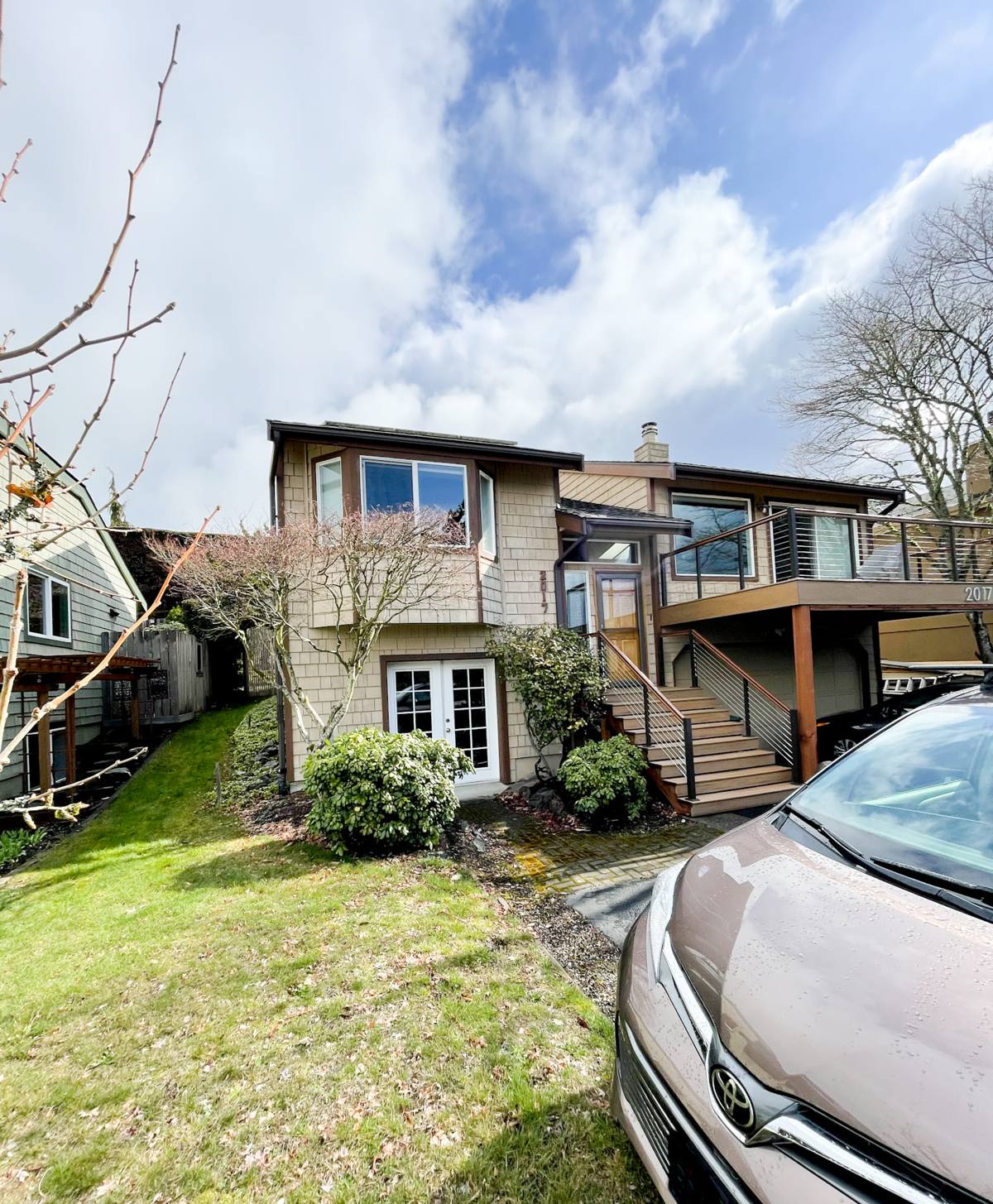
What Birch Bay's Climate Actually Does to a Window
It helps to be specific about the mechanisms, not just the buzzwords, because they drive real decisions about materials and installation detail.
Salt Air
Airborne salt is corrosive to certain metals and hardware. Over years, it can pit poorly-protected aluminum components, degrade cheap fasteners, and accelerate wear on seals and weatherstripping. It doesn't ruin every window, but it punishes the wrong material choices faster than an inland climate would.
Driving Rain
Wind-driven rain doesn't just fall on a window — it gets pushed sideways and upward into gaps that vertical rain would never reach. A window that's watertight in a calm rain shower can still leak during a Birch Bay winter storm if the flashing and sill details weren't built for wind-driven moisture.
Moss and Prolonged Dampness
Whatcom County's long moss season means wood trim, sills, and casings around windows stay damp for extended stretches. Any wood component that isn't properly sealed or protected becomes a place where rot and moss can take hold, especially on north-facing walls that don't get much sun to dry things out.
Signs Your Current Windows Are Already Costing You Money
Homeowners in Birch Bay Village often live with problems for years before calling anyone, simply because the symptoms build slowly. Watch for:
- Cold drafts near the window frame even when it's fully closed and latched
- Condensation or fogging between double-pane glass — a sign the seal has failed
- Visible moss, black staining, or soft spots on wood sills and exterior trim
- Difficulty opening or closing, or a frame that feels swollen after wet weather
- A noticeably higher heating bill compared to similar homes nearby
- Paint or finish peeling on the interior sill, which often points to moisture getting in from outside
Any one of these on its own might be minor. Several together usually mean the window assembly — glass, frame, and flashing — is past the point where caulk and weatherstripping can fix it.
What "Energy-Efficient" Actually Means Here
The term gets used loosely, so it's worth breaking down into the parts that matter for a Whatcom County home:
Glass Package
Double-pane is the baseline; triple-pane adds meaningful performance in exchange for more weight and cost. Low-E coatings reflect heat back into the room in winter and block excess solar heat in summer. Argon or krypton gas fill between panes slows heat transfer further.
Frame Performance
Glass gets most of the attention, but the frame is often the weak point for both energy loss and water intrusion. A well-insulated frame with a good thermal break matters as much as the glass rating on the sticker.
U-Factor and Solar Heat Gain Coefficient (SHGC)
U-factor measures how well the window resists heat flow — lower is better for our climate. SHGC measures how much solar heat passes through — in the Pacific Northwest, moderate SHGC values are usually the right call since we get real benefit from some passive solar gain in winter but don't want overheating in summer afternoons.
Frame Materials: What Holds Up Near the Water
Every frame material has trade-offs. None of them is "bad" — the right choice depends on your home's exposure, your maintenance appetite, and your budget.
| Material | Salt Air Resistance | Maintenance | Typical Trade-Off |
|---|---|---|---|
| Vinyl | Good — won't corrode or rust | Low | Limited color/finish options over time; frame flex on very large units |
| Fiberglass | Very good — dimensionally stable, resists pitting | Low | Higher upfront cost than vinyl |
| Aluminum | Fair — needs marine-grade coating near the coast or corrosion risk rises | Moderate | Poor insulator unless thermally broken; not our default recommendation this close to salt water |
| Wood (clad exterior) | Good if cladding is intact; poor if bare wood is exposed | Higher — cladding seams and sills need regular inspection | Best look for period homes, but moss season punishes any gap in the cladding |
For most Birch Bay Village homes, vinyl and fiberglass are our default recommendations because they don't corrode and hold up well through repeated wet-dry cycles. Wood-clad windows remain a good option for homeowners who want that look, provided the cladding and sill details are installed and maintained correctly — we'll walk you through what that upkeep actually looks like before you commit.
What a Correct Installation Involves
In this climate, the installation matters at least as much as the window itself. A premium window installed with sloppy flashing will leak; a mid-range window installed correctly will often outperform it. Here's what we consider non-negotiable:
- Full removal and inspection of the old opening — checking the framing and sheathing behind the old window for hidden rot or moisture damage before anything new goes in
- Sill pan flashing — a sloped, waterproof pan under the window so any water that does get past the exterior seal drains back outside instead of into the wall
- Proper flashing sequence — sill, jambs, then head flashing installed shingle-style so each layer sheds water onto the layer below it, which matters most during wind-driven rain
- Correct shimming and squaring — an out-of-square window stresses the frame and seals, shortening their life regardless of quality
- Compatible sealants and backer rod — matched to the frame material, not just whatever caulk is on the truck
- Interior and exterior trim sealed to shed water — especially important on walls that stay damp longest during moss season
Skipping any one of these steps is how a good window ends up with a callback two winters later.
How Our Process Works
We keep the process straightforward and put it in writing before any work starts:
1. On-Site Assessment
We look at each opening individually — sun exposure, wind exposure, current condition of the framing — rather than quoting a blanket price over the phone. Birch Bay Village homes vary enough in exposure that this matters.
2. Product Recommendation
We'll walk you through frame material and glass package options based on that specific opening, your budget, and how much maintenance you want to take on long-term. No pressure toward the most expensive option if it's not the right fit.
3. Written Estimate
A clear, itemized estimate — product, labor, flashing and disposal — so there are no surprises later.
4. Installation
Full removal, inspection, flashing, and installation following the sequence above, with the work area protected and cleaned up daily.
5. Final Walkthrough
We check operation, seals, and finish work with you before calling the job done.
Maintenance That Actually Matters Near Birch Bay
New windows still need some upkeep in this environment. A short seasonal routine goes a long way:
- Rinse salt residue off exterior frames and glass a few times a year, especially after storms
- Clear moss and debris from sills and tracks before it holds moisture against the frame
- Check exterior caulk lines annually for cracking or separation, particularly after a hard winter
- Make sure weep holes on the exterior sill stay clear so water can drain instead of pooling
- Inspect interior sills for soft spots or discoloration, which can signal a seal starting to fail
None of this is heavy labor — it's the difference between a window that reaches its full lifespan and one that develops problems early because moisture was left sitting against it.
Why Local Experience in Birch Bay Village Matters
A crew that only occasionally works this close to the water can miss things that are obvious to anyone who installs here regularly — how much wind-driven rain a particular exposure actually sees, which framing details tend to hide moisture damage in homes of this area's age and construction, and how aggressively salt air and moss season attack an installation that isn't detailed correctly. Working in Birch Bay Village and the surrounding Whatcom County coastline consistently means we're not guessing at these details — we're applying what we've already seen hold up and what hasn't.
If your windows are drafty, fogged, showing moss or rot around the trim, or you're simply planning ahead for a home built for this coastline's weather, we're glad to take a look. Reach out for a free, no-pressure estimate — we'll assess your specific openings and give you straight answers about what your home actually needs.