 Birch Bay Siding
 Building Decks for California Creek's Specific Conditions
California Creek sits close enough to the water that homes here deal with a combination most inland Whatcom County properties never see: salt-laden air moving off Birch Bay, long stretches of driving rain through fall and winter, and shaded, damp yards that stay wet long after a storm has passed. A deck built with generic materials and generic details might look fine for a year or two, then start showing fastener corrosion, soft spots, and a slick green film underfoot well before it should. Building correctly for this specific stretch of Birch Bay means treating the salt air and the moss season as design inputs, not afterthoughts.
This page covers what a deck actually needs to hold up in California Creek, what a correct build looks like from the ground up, and how our process works for homeowners in this neighborhood.
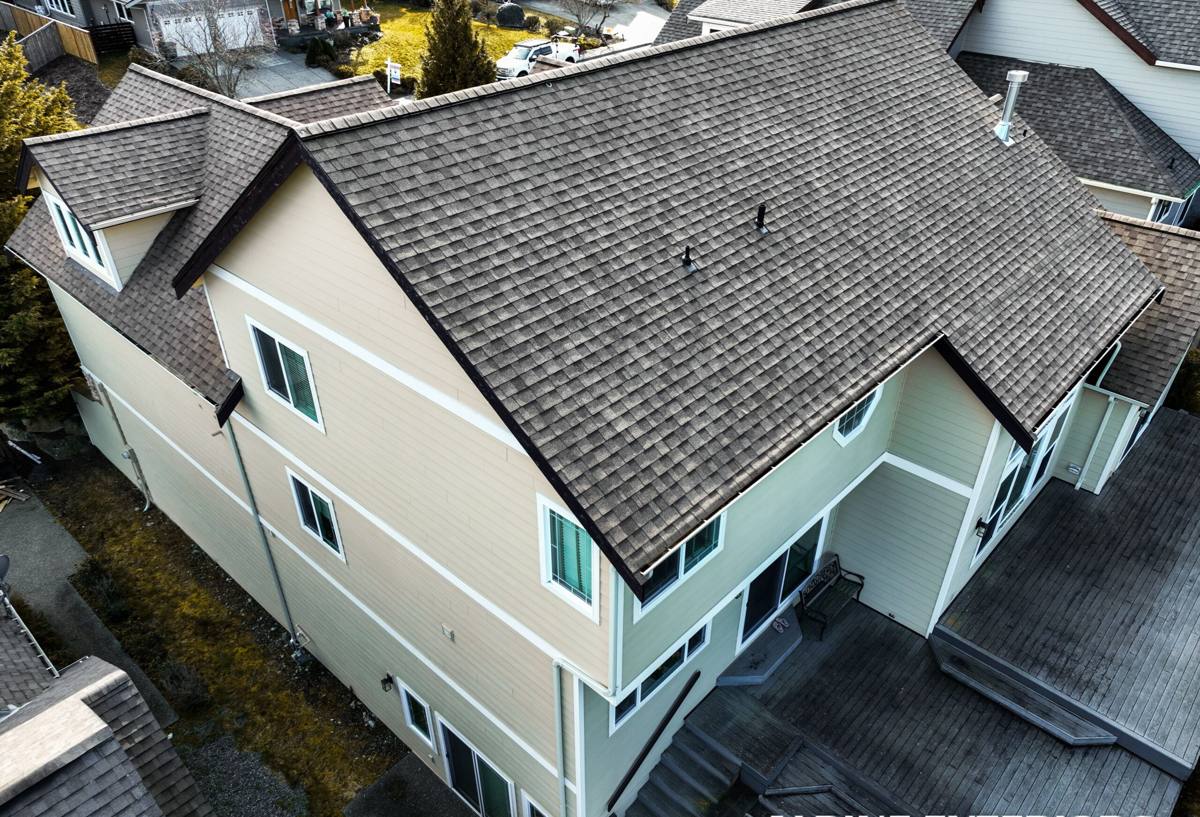
What the Local Climate Does to a Deck
Salt Air and Metal Fatigue
Airborne salt from Birch Bay accelerates corrosion on anything metal — screws, joist hangers, post bases, and railing hardware. Standard zinc-coated fasteners can start pitting and staining within a few seasons this close to the water. Once a fastener starts to corrode, it weakens at exactly the point where it's doing the most structural work, which is why hardware selection matters more here than it does even a few miles inland.
Driving Rain and Water Intrusion
Rain in this part of Washington rarely falls straight down — wind off the bay pushes it sideways, which means it finds its way into ledger connections, under poorly flashed rim joists, and into end grain that isn't sealed. A deck that's technically watertight in calm conditions can still take on moisture during a real Birch Bay storm if the flashing details weren't built for wind-driven rain specifically.
Moss, Shade, and Standing Moisture
Many California Creek lots have mature tree cover and damp, low-lying yard sections that stay shaded most of the day. That combination — shade plus moisture plus mild temperatures — is exactly what moss and algae need to take hold. On a deck, moss doesn't just look bad. It holds water against the decking surface, and on wood that trapped moisture is what starts rot from the top down instead of the bottom up.
What a Correctly Built Deck Needs Here
Ledger and Flashing Details
The connection between the deck and the house is the single most important detail on any deck, and it's the one spot where a cut corner causes the most damage. A proper ledger installation uses flashing that sheds water away from the house band board, not just a bead of caulk, and it accounts for wind-driven rain getting up and under the flashing lip. This is the detail that determines whether water gets into your home's framing over the next twenty years.
Fastener and Hardware Grade
Given the salt air off the bay, we treat stainless steel or high-grade coated fasteners and connectors as the standard for this area, not an upgrade. The cost difference over the life of a deck is small compared to what it costs to repair a structure that's failing because the hardware corroded out from under it.
Ventilation Under the Deck
A deck built low to the ground or over damp soil needs airflow underneath it to keep framing dry. Skirting without vent gaps, or decks built directly over a shaded, poorly draining section of yard, trap moisture against the joists — which is a common cause of hidden rot on decks that look fine from the top.
Guardrails and Structural Code
Any deck above a certain height needs guardrails and structural connections that meet current building code, including proper post attachment and railing height and spacing. This isn't optional trim work — it's the part of the job an inspector will check, and it's the part that protects the people using the deck.
Decking Material Options for a Salt Air, High-Moss Environment
There's no single "best" decking material for every California Creek home — it depends on how much sun the deck gets, how much maintenance you want to do, and your budget. Here's how the common options actually perform under these specific conditions.
| Material | How It Handles Salt Air & Rain | Moss & Algae Behavior | Maintenance Reality |
|---|---|---|---|
| Pressure-treated fir/hem-fir | Good if fasteners and flashing are upgraded; wood itself is not affected by salt | Needs regular cleaning and sealing or moss takes hold within a season or two in shaded spots | Highest maintenance; sealing every 1-2 years recommended in this climate |
| Cedar | Naturally rot-resistant, but still needs correct flashing and fasteners | Still grows moss in damp, shaded areas without upkeep | Moderate; periodic cleaning and finish maintenance |
| Composite decking | Handles salt air and moisture well; doesn't absorb water like wood | Can still get a moss/algae film in deep shade — needs occasional washing, though not sealing | Lowest ongoing maintenance; periodic cleaning only |
| PVC decking | Fully water-resistant; not affected by salt air | Same as composite — surface film in shaded spots is a cleaning issue, not a structural one | Low; cleaning only, no sealing or staining ever needed |
Whatever surface material you choose, the framing underneath matters more for long-term durability than the decking itself — a composite deck built on poorly flashed, under-fastened framing will still develop problems, just hidden ones.
A Note on Product Choice
We don't push homeowners toward the most expensive material by default. If you want the look and feel of real wood and are willing to keep up with cleaning and sealing on a schedule that fits this climate, a well-built cedar or treated deck is a legitimate choice. If you want to minimize upkeep given how much rain and shade this area sees, composite or PVC decking makes that easier. Our job is to walk you through the honest trade-offs for your specific lot, not steer you toward one product line.
Our Process for a California Creek Deck Project
1. On-Site Evaluation
We walk the actual lot — checking sun exposure, drainage, existing grade, and how close the build is to salt air exposure or heavy tree cover. This is what determines the flashing plan, fastener spec, and material recommendation for your specific spot, not a generic template.
2. Design and Structural Plan
We lay out footing locations, framing spans, ledger attachment method, and guardrail placement to meet current structural code, sized for the deck's actual use and load.
3. Permitting
Deck projects in Whatcom County typically require a permit depending on size and height. We handle that process as part of the job so the structural work is inspected and documented, not something you have to chase down separately.
4. Build
Footings, framing, ledger flashing, decking, and railing are installed in sequence with the moisture and corrosion details built in at each stage — not added on afterward.
5. Final Walkthrough
We go over the finished deck with you, including what maintenance it actually needs given your yard's sun and shade pattern, so there are no surprises in year two or three.
Living With a Deck in a Moss-Prone, Salt-Air Yard
A well-built deck in California Creek still needs some seasonal attention — the climate here just makes that upkeep non-negotiable rather than optional. A short, honest maintenance routine goes a long way toward protecting the investment:
- Sweep leaves and debris off the deck surface regularly, especially in shaded areas where moisture collects
- Rinse or gently wash the surface once or twice a year to remove early moss and algae growth before it establishes
- Check fastener heads and railing connections annually for early signs of corrosion, especially on decks closer to the bay
- Reseal wood decking on the schedule appropriate to the product — don't wait until it's visibly gray and dry
- Keep gutters and downspouts near the deck clear so runoff isn't dumping extra water onto or under the structure
- Trim back overhanging branches where practical to reduce shade and speed up drying time after rain
Repair, Refresh, or Full Rebuild
Not every aging deck in California Creek needs to be torn out completely. If the framing and footings are sound and the problems are limited to surface wear, fastener corrosion, or moss buildup, a refresh — new decking boards, upgraded hardware, updated flashing at the ledger — can extend the deck's life significantly. If the joists or ledger connection show soft spots, rot, or you're not confident in what's underneath, a full rebuild is the more honest recommendation, even if it's the less convenient answer. We'll tell you which situation you're actually in before any work starts, not after.
Why a Crew That Already Works California Creek Matters
Building decks correctly for this specific stretch of Birch Bay isn't about a secret technique — it's about not skipping the details that matter here and don't matter as much elsewhere. A crew that hasn't worked this close to the bay may not think twice about standard fasteners or a standard flashing detail, because in a drier or less coastal part of Whatcom County, that standard approach holds up fine. Here, it doesn't. Knowing which yards on this stretch stay damp longer, which exposures take the worst of the wind-driven rain, and which fastener grade is actually worth the extra cost is the difference between a deck that needs attention in three years and one that doesn't.
If you're planning a new deck or need an honest look at one that's showing its age, we're glad to come take a look. The estimate is free, there's no pressure, and you'll get a straight answer about what your deck actually needs — use the form below to get started.