 Birch Bay Siding
 Windows Built for Birch Bay Village's Coastline
Birch Bay Village sits close enough to the water that salt air is part of daily life, not an occasional visitor. Add Whatcom County's driving winter rain and a moss season that can stretch from October through April, and you have a set of conditions that will find every weak point in a window over time. Cheap seals fail early here. Untreated hardware corrodes. Wood that isn't detailed correctly for moisture takes on rot from the inside out, long before it shows on the surface.
Custom windows done right for this neighborhood aren't about a fancier look — though that's often part of the ask. They're about choosing materials, glazing, and flashing details that hold up specifically to salt-laden air and sustained wet weather, not just generic Pacific Northwest rain.
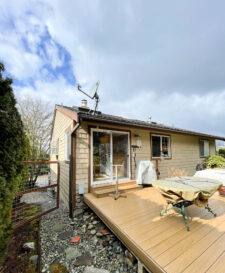
What Salt Air and Driving Rain Actually Do to a Window
It helps to understand the failure modes before talking about the fix.
Salt air and hardware corrosion
Salt in the air accelerates oxidation on any exposed metal — hinges, cranks, locks, and especially uncoated or lower-grade aluminum components. On homes closer to the water in Birch Bay Village, we regularly see hardware that's pitted or seized well before the glass or frame shows any wear. Once hardware corrodes, a window stops sealing tightly even if the frame itself is fine, and that's when moisture starts working its way in around the sash.
Driving rain and wind-driven moisture intrusion
Wind off the water doesn't just blow rain against the glass — it drives it sideways and upward under standard flashing details that would be adequate in a calmer inland setting. Without proper head flashing, sill pans, and window wrap integration into the wall's water-resistive barrier, water finds its way behind the trim and into the framing. That's where the real damage happens: hidden rot in sheathing and framing that isn't visible until a wall is opened up.
Moss season and prolonged dampness
A long moss season means extended stretches where wood trim, sills, and even some vinyl components stay damp rather than drying out between rain events. Any small gap in caulking or flashing becomes an entry point that stays wet for weeks at a time instead of hours. That constant dampness is what turns a minor sealant failure into a rot problem.
What a Correct Custom Window Installation Involves Here
A window is only as good as its installation, and in Birch Bay Village the installation details matter more than in drier, calmer parts of the county.
Frame material selection
We steer homeowners toward frame materials and hardware finishes rated for coastal exposure. That usually means vinyl or fiberglass frames with corrosion-resistant hardware, or well-detailed wood-clad units where the cladding fully protects the wood core from weather. We treat solid painted wood exteriors as a higher-maintenance option in this specific setting — not because the material is bad, but because painted wood exposed to salt air and sustained damp needs more frequent upkeep to stay sealed, and a missed repaint cycle here causes damage faster than it would inland.
Flashing and moisture management
This is the part that doesn't show up in a product brochure but determines whether the window lasts. Every opening gets a sloped sill pan, properly lapped head and jamb flashing, and integration with the existing wall's water barrier so water sheds outward at every layer, not just at the window unit itself. Skipping or shortcutting this step is the single biggest cause of window-related rot we see in coastal Whatcom County homes.
Glazing and seal selection
Insulated glass units rely on their edge seals to keep moisture and inert gas fill from migrating out over time. In sustained damp, marginal seals fail years earlier than they would in a drier climate. We spec glazing packages with sealing systems built for high-moisture, coastal-adjacent exposure rather than a generic inland spec.
Frame Material Comparison for Birch Bay Village Conditions
| Material | Salt Air / Moisture Behavior | Maintenance in This Climate |
|---|---|---|
| Vinyl | Won't corrode or rot; performs consistently near the water | Low — occasional cleaning, no repainting |
| Fiberglass | Dimensionally stable, resists moisture and salt exposure well | Low — durable finish, minimal upkeep |
| Wood-clad (clad exterior, wood interior) | Good if cladding is fully sealed at all joints; vulnerable where cladding is compromised | Moderate — interior finish upkeep, exterior largely maintenance-free if intact |
| Solid painted wood | Handsome, but painted surfaces are the first thing salt air and damp attack | High — regular repainting and caulk inspection required |
| Aluminum (uncoated or low-grade) | Prone to pitting and hardware corrosion near the water | Moderate to high — hardware often needs early replacement |
Our Process for a Custom Window Job in Birch Bay Village
- On-site assessment. We look at existing window condition, sill and trim moisture, and how exposed the specific elevation is to prevailing wind and rain direction.
- Material and glazing selection. We walk through frame and glass options against your budget and how close the home sits to the water.
- Careful removal. Old units come out without damaging surrounding siding or trim more than necessary, and we check framing for hidden moisture damage while the opening is exposed.
- Flashing and sill pan installation. This is done to the opening regardless of what the old setup looked like — it's the step that protects the investment long-term.
- Window installation and shimming. Units are set plumb, level, and square, then fastened per manufacturer spec so warranty coverage stays intact.
- Sealing and trim work. Exterior sealant, trim, and any cladding or paint work is finished to shed water at every layer.
- Walkthrough. We check operation, locking hardware, and finish with you before calling the job done.
Cost Factors for Custom Windows in This Area
Every home is different, but a few factors consistently move the price on Birch Bay Village jobs more than they would elsewhere in the county:
- Distance to the water and wind exposure — homes on more exposed elevations often warrant a higher-spec glazing or hardware package.
- Extent of existing moisture damage — if framing or sheathing needs repair once the old window is out, that's addressed before the new unit goes in.
- Frame material chosen — vinyl and fiberglass are generally the more budget-friendly, lower-maintenance options; wood-clad and full wood units cost more upfront and over time.
- Number and size of openings — larger openings and specialty shapes take more labor and custom sizing.
- Trim and siding tie-in work — matching existing exterior finishes around the new opening adds time.
Most custom window replacement jobs for a typical Birch Bay Village home run from a few thousand dollars for a single opening to a broader range for a whole-house project — we'll always give you a firm number in writing before any work starts, based on what we actually find at your home.
Signs Your Windows Need Attention
A few things worth checking, especially heading into another wet season:
- Fogging or moisture between the panes of double-pane glass — a sign the seal has failed
- Stiff, sticking, or hard-to-lock hardware, particularly on windows facing the water
- Visible rust or pitting on hinges, cranks, or locks
- Soft or discolored wood trim or sill around the window frame
- Drafts or a noticeable temperature difference near the window on windy days
- Peeling paint or bubbling finish on painted wood frames or trim
- Visible gaps in exterior caulking or sealant
Any one of these on its own isn't necessarily urgent, but a few together usually mean moisture has already found a way in.
Why a Crew That Already Works Birch Bay Village Matters
Whatcom County covers a lot of different microclimates, and Birch Bay Village's proximity to the water is its own thing — different exposure, different wind patterns, and a different moisture load than homes even a few miles inland. A crew that regularly works this specific neighborhood already knows which elevations take the worst of the driving rain, what kind of moisture problems tend to show up in homes of this area's typical age and construction, and how to detail flashing so it actually holds up to what this exact stretch of coastline throws at it.
That local familiarity also shows up in smaller, practical ways — knowing what permitting and inspection process to expect locally, and not treating every job as a generic install pulled from a national playbook. Windows installed without accounting for the salt air and moss season here tend to show problems in years, not decades.
Maintenance That Extends the Life of Your New Windows
Even the right windows, installed correctly, benefit from a little seasonal attention in this climate:
- Rinse salt residue off frames and glass periodically, especially after storms
- Check and clear moss or debris buildup from sills and tracks before it holds moisture against the frame
- Inspect exterior caulking annually and touch up any cracked or missing sealant
- Lubricate hardware on operable windows to keep locks and cranks from seizing
- Watch for early signs of trim or paint wear and address it before it becomes a moisture entry point
None of this is complicated, but skipping it in a climate like this one shortens the life of even a well-installed window.
If you're weighing custom windows for a home in Birch Bay Village, we're happy to take a look and walk you through honest options for your specific exposure and budget — no pressure, no hard sell. Fill out the form below for a free estimate.