 Birch Bay Siding
 Building a Deck That Can Actually Handle Bellingham
Bellingham sits close enough to the water and to the wet weather patterns that roll through Whatcom County that a deck built to a generic national spec often struggles here. Salt-laden air off the bay, long stretches of driving rain, and a moss season that can run from fall through spring put more strain on outdoor structures than most homeowners expect. A deck that's a great fit for a dry inland climate can start showing problems in Bellingham within a few seasons if it wasn't planned with our conditions in mind.
This page focuses specifically on deck building for homes in and around Bellingham. It's not a generic overview of decks — it's what we've learned matters most for decks that have to survive coastal Whatcom County weather year after year, and what a correctly built one actually involves.
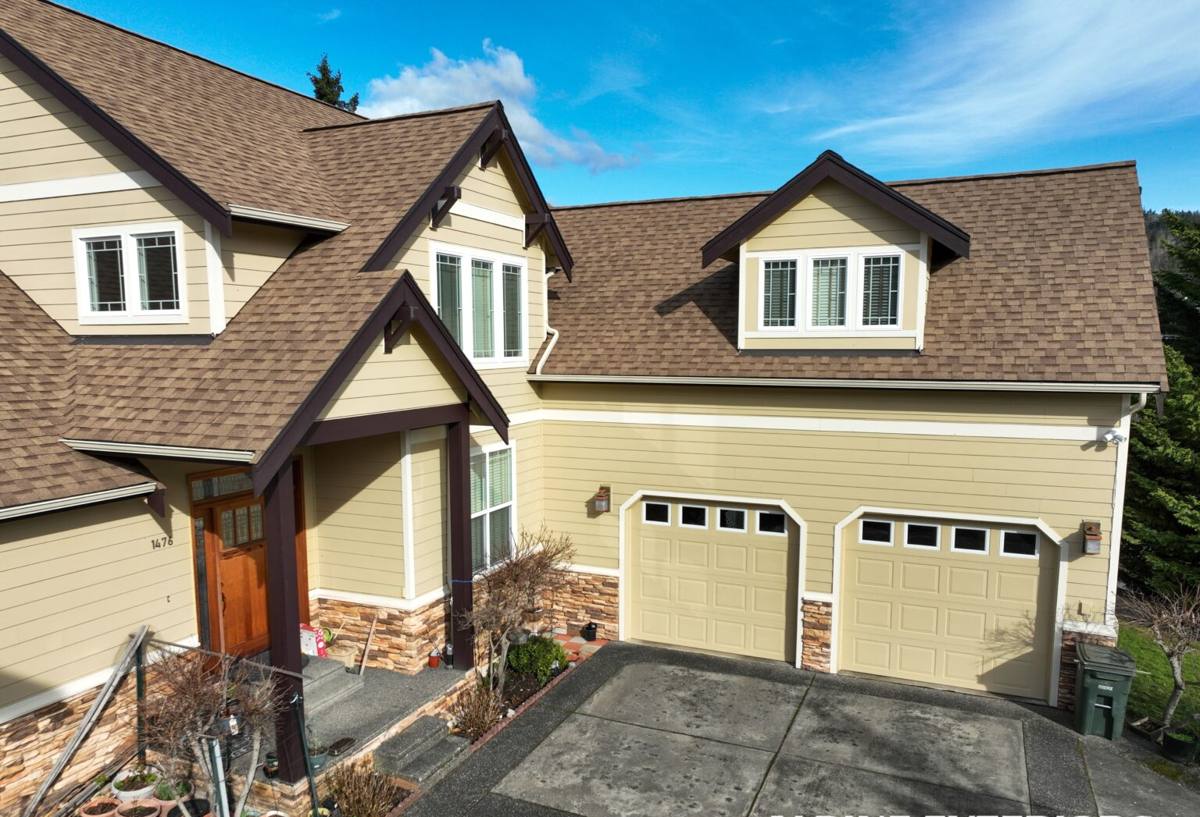
What Bellingham's Climate Does to a Deck Over Time
Salt Air and Moisture
Proximity to Puget Sound and Bellingham Bay means the air here carries more moisture and, closer to the water, more salt than a typical inland town. Salt air accelerates corrosion on metal fasteners, hinges, and connectors, and it speeds up the breakdown of finishes on wood that isn't properly sealed or maintained. Over years, this shows up as rust streaks bleeding through decking boards, loosening hardware, and finishes that fail faster than the manufacturer's stated lifespan.
Driving Rain
Rain here doesn't just fall straight down — wind-driven rain gets pushed sideways into structures, under flashing, and into joints that weren't sealed with that in mind. A deck ledger board or stair stringer that isn't flashed and drained correctly will trap water rather than shed it, and trapped water is the single biggest cause of rot in deck framing.
Moss and Algae Season
Whatcom County's damp, mild winters create ideal conditions for moss and algae to take hold on horizontal surfaces — deck boards, stair treads, and railings included. Moss holds moisture against the wood surface long after the rain has stopped, which softens fibers, stains finishes, and creates a genuinely slick, dangerous walking surface. A deck design that ignores drainage and airflow underneath the boards is inviting a moss problem within its first year or two.
Choosing the Right Decking Material for This Area
There's no single "best" decking material for every home — it depends on budget, maintenance tolerance, and how exposed the deck is to weather. Here's how the common options actually perform under Bellingham conditions specifically.
| Material | How It Handles Our Climate | Maintenance Reality |
|---|---|---|
| Pressure-treated wood | Affordable and structurally solid, but end grain and fastener holes need consistent sealing or moisture works in over time | Annual cleaning and re-sealing to keep moss and rot at bay |
| Cedar | Naturally moisture- and insect-resistant, ages to a soft gray if left unfinished, but still needs cleaning to prevent moss buildup | Periodic cleaning; finish touch-ups if you want to keep the original color |
| Composite decking | Doesn't absorb water the way wood does, resists rot, but needs a well-ventilated substructure so moisture and algae don't collect underneath | Low — occasional washing to clear moss and pollen film |
| PVC/capped composite | Best moisture resistance of the group, holds up well to salt air, higher upfront cost | Lowest — mainly surface cleaning |
For homes closer to the water where salt exposure is higher, we lean homeowners toward composite or capped PVC products, or toward cedar with a real maintenance commitment. Standard pressure-treated wood is a fine, budget-friendly choice as long as the homeowner understands it needs more regular attention here than it would in a drier climate.
What's Underneath Matters More Than What's On Top
Footings and Posts
Whatcom County's frost depth and drainage-heavy soils mean footings need to be set at the correct depth and on stable, well-draining ground. A footing that's too shallow or poured on soil that stays saturated through winter can shift over time, which throws the whole deck out of level and stresses the connections above it.
Ledger Attachment and Flashing
Where a deck attaches to the house is the single most important detail on the entire structure. That ledger board has to be flashed so water is directed away from the house framing, not into it. This is also the spot most prone to hidden rot if it's done wrong, because the damage happens behind the decking and isn't visible until it's serious.
Joist Spacing and Ventilation
Correct joist spacing keeps the decking surface solid underfoot and prevents excess flex that can loosen fasteners over time. Just as important in our climate is making sure there's enough airflow underneath the deck — a low, closed-off substructure traps humidity and becomes a breeding ground for moss and mildew even before it reaches the visible surface.
Fasteners and Hardware: Where Salt Air Does the Most Damage
This is one of the most overlooked parts of a deck build, and it's where cutting corners shows up fastest in a coastal climate. Standard fasteners can start showing rust streaks and weakening within a few years near the water. We use corrosion-resistant, coated or stainless connectors and fasteners rated for exterior and coastal use, and we make sure joist hangers, post bases, and ledger bolts are all matched — mixing incompatible metals can actually accelerate corrosion through galvanic reaction.
Our Deck Building Process
- On-site assessment — we look at the site's exposure to wind, rain, and sun, the condition of any existing structure, and how the deck will tie into the house.
- Design and material selection — we walk through decking, railing, and hardware options honestly, including trade-offs in cost and maintenance for your specific spot in Bellingham.
- Permitting — we handle the paperwork and inspections required for the structure, so it's built to code from the footings up.
- Framing — footings, posts, ledger flashing, and joists are set with drainage and airflow built into the plan, not added as an afterthought.
- Decking, railing, and stairs — installed with fastener spacing and gapping that accounts for our wet climate and material expansion.
- Final walkthrough — we go over the finished deck and basic care so you know what to expect from your specific material over time.
Permits and Local Considerations
Deck construction in and around Bellingham typically requires a permit once you're past a certain height or size, and inspections along the way for footings and framing. Requirements can vary depending on exactly where your property sits in Whatcom County, so we handle the permitting process as part of the build rather than leaving homeowners to sort it out. Building to code isn't just a formality here — it's what keeps a deck structurally sound through the freeze-thaw cycles and saturated soils this area sees most winters.
Keeping a Bellingham Deck Looking New: A Maintenance Checklist
No deck material here is truly "no maintenance" — but a little regular attention goes a long way toward preventing moss, rot, and premature wear.
- Sweep debris and standing leaves off the deck surface regularly, especially in fall
- Wash the deck at least once a year to remove moss spores and algae film before they take hold
- Check gaps between boards periodically to make sure they're not clogged, since clogged gaps trap moisture
- Inspect fasteners and hardware yearly for rust streaks or looseness, particularly on decks closer to the water
- Re-seal or re-stain wood decking on the schedule recommended for your specific product — don't wait until it visibly fails
- Trim back overhanging vegetation that keeps the deck shaded and damp longer than necessary
- Check the ledger board area and any flashing for signs of water staining each year
Why It Matters That We Already Work in Bellingham
A crew that mostly builds decks in drier climates can still put together a structurally sound deck on paper — but they may not think twice about ledger flashing details, fastener corrosion resistance, or substructure ventilation the way a crew that deals with Whatcom County weather every day does. We've seen what happens to decks here that were built to a generic spec: moss taking over within a season, hardware rusting faster than expected, or moisture finding its way into framing that wasn't flashed for driving rain. Building with those lessons already factored in, rather than learning them on your project, is the real value of hiring local.
We also know the practical side — permitting patterns, typical soil and drainage conditions around Bellingham, and how exposed a given lot is likely to be to wind and salt air depending on its location. That local knowledge shapes real decisions on material and construction, not just talking points.
Let's Talk About Your Deck
If you're planning a new deck or replacing one that hasn't held up to Bellingham's weather, we're happy to take a look and talk through honest options for your home and budget. Reach out through the form below for a free, no-pressure estimate.