 Birch Bay Siding
 Deck Repair Built for Bellingham's Climate
Bellingham sits close enough to the water and to Birch Bay that decks here take on a specific kind of punishment: salt-tinged air off the bay, long stretches of driving rain, and a moss season that can run from October clear through April. A deck that would hold up fine in a drier inland climate can develop soft spots, rusted fasteners, and slick, moss-covered boards within a few seasons if it wasn't built or maintained with this weather in mind. Deck repair here isn't just about fixing what's broken — it's about understanding why Whatcom County decks fail the way they do, so the repair doesn't just mask the problem for a year and come back worse.
We work Bellingham and the surrounding Birch Bay area regularly, which matters more than it sounds. A crew that only sees a handful of Whatcom County decks a year is guessing at what's normal wear versus what's a structural red flag. We're not guessing — we see the same failure patterns, house style, and exposure conditions over and over, and that shapes how we diagnose and repair.
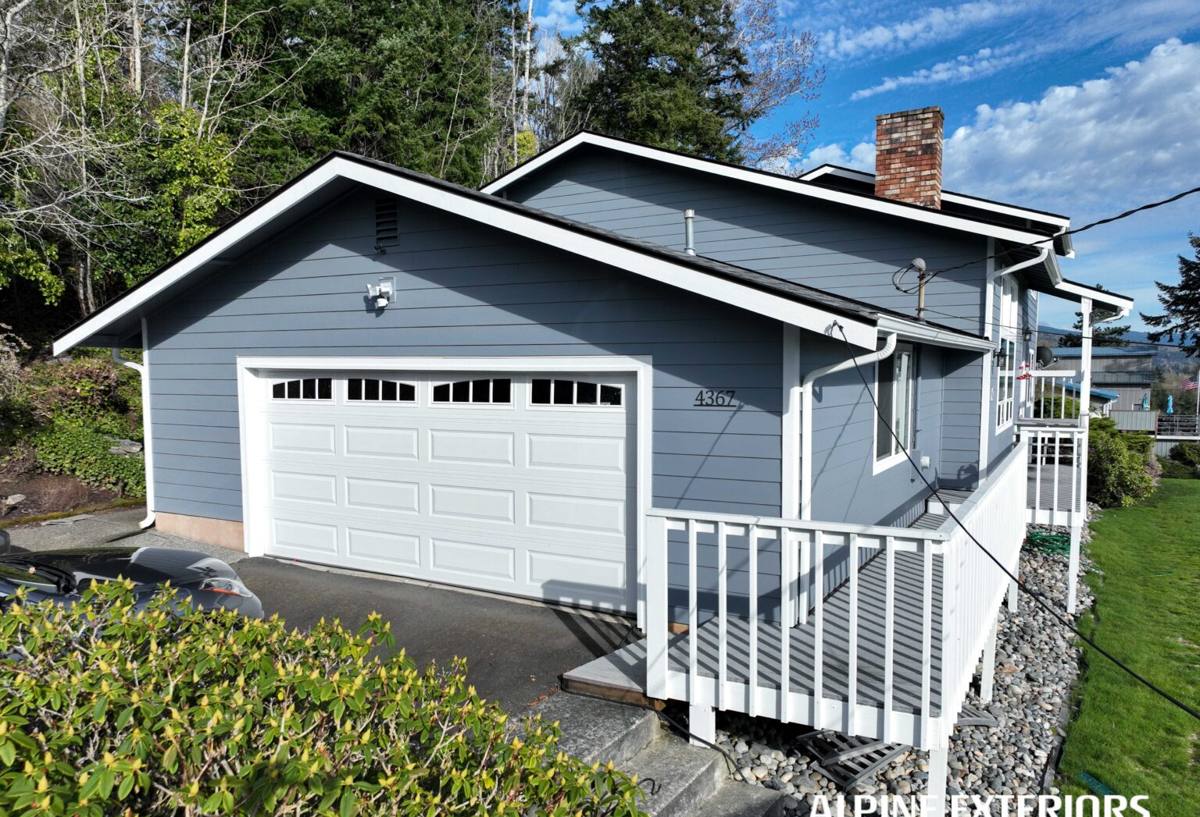
How Local Weather Actually Damages a Deck
Moisture That Never Fully Dries
The biggest issue isn't any single storm — it's that Bellingham decks often don't get a real chance to dry out between rain events for months at a time. Wood, and even the framing under composite decking, stays damp longer than it would in a sunnier, drier climate. That sustained moisture is what drives rot, not the rain itself.
Salt Air and Metal Fasteners
Proximity to Birch Bay and the Salish Sea means a steady low-level exposure to salt-laden air, even a few miles inland. Over years, this accelerates corrosion on nails, screws, and structural connectors that weren't rated for coastal exposure. Corroded fasteners lose holding strength quietly — the deck can look fine on the surface while its connections weaken underneath.
Moss, Algae, and Trapped Debris
Moss doesn't just make a deck surface slippery and unsightly. It holds moisture directly against the wood or composite surface, blocks airflow between boards, and traps organic debris in gaps and against ledger boards. Left alone through a full moss season, this is one of the most common reasons we find soft, spongy decking that looks fine until you press on it.
Common Deck Repair Issues We See in Bellingham
- Soft or spongy decking boards — usually moisture trapped by moss, debris, or poor drainage between boards
- Rotted or compromised ledger board — the connection between deck and house, and one of the most safety-critical spots on any deck
- Rusted or corroded fasteners and joist hangers — weakened structural connections that aren't visible from the top
- Loose, wobbly, or leaning railings and posts — often from post rot at ground contact or fastener failure
- Stair stringer damage — stairs take constant flex and are exposed to splash-back moisture at the base
- Discolored, slippery, or moss-stained surface boards — a maintenance issue now, but a moisture entry point if ignored
- Gaps or separation at flashing — where the deck meets the house, a common water intrusion point behind siding
What a Correct Deck Repair Actually Involves
A lot of deck "repairs" amount to swapping a few visibly bad boards and calling it done. That approach misses the point in a climate like this, because the board that looks fine next to the bad one may already be compromised underneath, and the fastener corrosion or ledger issue that caused the failure in the first place is still there.
Our approach starts with diagnosis, not assumption
We check the ledger board connection, the framing and joists underneath, the fastener condition, and drainage — not just the surface decking. A board can look fine on top and still be sitting on a joist that's lost most of its structural integrity.
We match repair to cause
Replacing rotted boards without addressing why they rotted (poor airflow, trapped moss, a drainage issue, missing flashing) means the repair fails again on the same timeline. Where we find a root cause, we fix that too, or we tell you honestly what it will take.
We use fasteners and hardware rated for this exposure
Given the salt air and persistent moisture in this area, we use corrosion-resistant fasteners and connectors appropriate for coastal-adjacent, wet climate exposure — not standard hardware that will corrode again in a few years and put you back in the same spot.
Repair vs. Replacement: How We Help You Decide
Not every deck problem needs a full rebuild, and not every deck is worth patching. The honest answer depends on what's structural versus cosmetic, and how much of the frame is still sound.
| Factor | Points Toward Repair | Points Toward Replacement |
|---|---|---|
| Ledger board condition | Solid, no rot at house connection | Soft, rotted, or improperly flashed |
| Framing/joists | Sound, isolated soft spots | Widespread rot or fastener failure |
| Age of structure | Under ~15 years, built to code | Older, undersized, or non-compliant framing |
| Extent of damage | Localized to a few boards or a rail section | Spread across multiple areas of the deck |
| Original construction quality | Proper flashing, spacing, hardware | Missing flashing, poor drainage design |
When the frame and ledger are sound, targeted repair is usually the right call and the more cost-effective one. When rot has reached the structural framing or the ledger connection, patching the surface just delays a bigger problem — we'll tell you straight if that's what we're looking at.
Railings, Stairs, and Safety-First Priorities
Surface boards get the attention because they're what you see, but railings and stairs are where deck failures actually hurt people. A wobbly railing post is almost always rot at the base or a fastener that's lost its grip in the framing below — not something a bracket or extra screw fixes for good. We treat railing and stair repairs as structural work, not cosmetic touch-ups, because that's what they are.
Signs your deck needs a safety-focused inspection soon
- Railings that flex or move when you lean on them
- Stairs that feel bouncy or have visible gaps at the stringers
- Any board that gives underfoot, even slightly
- Standing water anywhere on the deck surface after rain has stopped
- Visible gaps, staining, or moss buildup where the deck meets the house
- Fasteners with visible rust streaking down the board
Our Deck Repair Process
We keep the process straightforward and transparent, because most homeowners just want to know what's actually wrong and what it will take to fix it properly.
- On-site inspection — we check the surface, framing, ledger, fasteners, and drainage, not just the obvious problem area
- Honest assessment — we explain what we found, what's causing it, and whether repair or replacement makes sense
- Written estimate — clear scope, so there's no ambiguity about what's included
- Repair work — using fasteners and materials suited to Whatcom County's wet, salt-air climate
- Final walkthrough — we show you what was done and what to watch going forward
Why Hiring a Crew That Already Works Bellingham Matters
Deck repair isn't a one-size-fits-all trade. A crew based somewhere dry and inland doesn't necessarily know how aggressively moss and moisture move through a deck in a Bellingham winter, or how quickly standard hardware corrodes this close to Birch Bay. We work this area regularly, so when we're under your deck, we already have a sense of what to expect before we even start pulling boards — and that translates into a faster, more accurate diagnosis instead of a longer, more expensive guessing process.
It also means we're not going anywhere. If a repair needs a follow-up check after the next wet season, or you want a maintenance recommendation to get more years out of the work, you're calling a crew that's still local and still working in Bellingham, not chasing down someone who did one job and left the area.
Maintaining Your Deck Between Repairs
Good repair work lasts longer with a bit of upkeep, especially through Whatcom County's moss season. Clearing debris from between boards, keeping gutters and downspouts directing water away from the deck area, and addressing moss before it establishes are simple habits that meaningfully extend the life of any repair. We're happy to walk through specific maintenance recommendations for your deck as part of any repair visit.
If your Bellingham deck has soft spots, a wobbly railing, or you just want an honest look at its condition, we're glad to come take a look. Reach out for a free, no-pressure estimate using the form below.