 Birch Bay Siding
 Energy-Efficient Windows in Cottonwood Beach: A Different Standard for a Shoreline Neighborhood
Cottonwood Beach is one of the shoreline neighborhoods that make up the Birch Bay area of Whatcom County, and homes here deal with a combination of exposure that inland properties simply don't: direct marine air, wind pushing rain and salt spray against exterior walls, and a heating season where keeping warmth in matters as much as keeping water out. "Energy-efficient windows" gets used everywhere as a generic upgrade pitch, but out here it has to mean something more specific than picking a window with a good number on the label. It means choosing a window package and an installation method that actually holds its seal, its glazing performance, and its hardware function under sustained coastal exposure — because a window that loses its seal in year six was never really energy-efficient to begin with, whatever the sticker said on install day.
We handle siding, roofing, windows, and decks for homes throughout the Birch Bay area, and window work in Cottonwood Beach specifically gets treated as an energy problem and a moisture problem at the same time, not two separate issues. The same wind-driven rain that threatens a wall assembly is also the reason air infiltration around a window frame becomes a bigger factor in a Cottonwood Beach heating bill than it would a few miles inland.
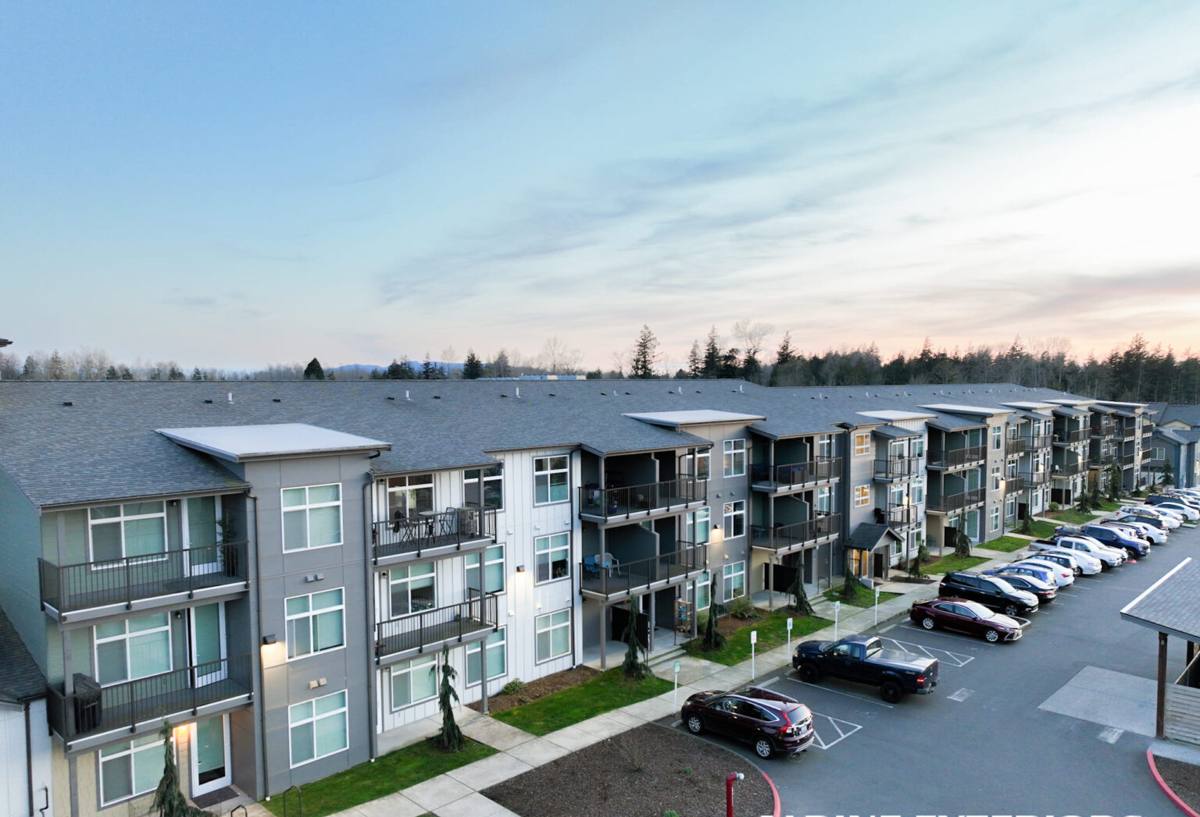
What Cottonwood Beach's Climate Does to Window Performance
Wind and Air Infiltration
Being close to the water means more sustained wind pressure against window openings than a sheltered, inland lot ever sees. Air infiltration — warm air leaking out, cold air leaking in around a frame — gets worse in direct proportion to how hard the wind is loading that opening. A window with a strong lab-tested energy rating can still perform poorly in the field if the installation behind it doesn't account for wind exposure at a site this open to the water.
Salt Air and Long-Term Seal Integrity
Marine air carries salt, and salt speeds up wear on certain hardware, weatherstripping, and seal materials faster than it would in a drier, more inland setting. A window's energy performance is only as good as its seals. Once weatherstripping compresses unevenly or hardware starts binding from corrosion, that "efficient" window starts leaking air the same way an old, worn-out one does — the rating printed on the label doesn't change, but the real-world performance behind it does.
Moss, Shade, and Trapped Moisture
Cottonwood Beach shares the long moss and mildew season that runs across most of Whatcom County, and shaded or north-facing window trim tends to hold moisture longer than sun-exposed walls. Moisture sitting against a frame or sill over time can affect how well a window continues to seal against its opening, which is a slower and less obvious form of energy loss than an outright draft, but a real one all the same.
Condensation From Indoor-Outdoor Temperature Swings
Mild but damp winters create a steady temperature and humidity difference between a heated interior and a cold, wet exterior wall. Older or poorly sealed windows show that pressure constantly — fogging, moisture trapped between panes, or water pooling on interior sills. That's usually a sign a seal has already failed, and a failed seal is an energy problem before it's a cosmetic one.
What "Energy-Efficient" Actually Means for a Window
U-Factor: The Number That Matters Most for Heat Loss
U-factor measures how much heat a window loses through its glass, frame, and edge seal — the lower the number, the better it holds heat in. For a Cottonwood Beach home, U-factor matters more than most other specs on a spec sheet, because it's a direct measure of how much the window is going to cost in comfort and heating load through a long, damp Whatcom County winter. It's a more useful number to ask about than a generic "energy-efficient" label, which isn't a standardized measurement at all.
Low-E Coatings and Gas Fills
Low-E (low-emissivity) coatings are a microscopically thin layer applied to the glass that reflects heat back where it came from — keeping interior warmth in during winter and unwanted solar heat out during warmer stretches. Combined with an inert gas fill like argon between the panes, a low-E package does more for real-world performance than the glass thickness or pane count alone. It also tends to reduce interior condensation on cold glass, which is a common complaint in this kind of marine climate.
Frame Material and Thermal Bridging
The frame is where a lot of window energy loss actually happens, through a phenomenon called thermal bridging — heat finding a path through the frame material itself rather than the glass. Metal frames without a thermal break conduct heat far more readily than vinyl or fiberglass, which matters for both energy performance and for condensation forming on the interior frame during cold snaps.
| Frame Material | Thermal Performance | Coastal Durability | Maintenance |
|---|---|---|---|
| Vinyl | Good; naturally low thermal conductivity | Resists corrosion well; UV can affect color over decades | Low |
| Fiberglass | Very good; dimensionally stable across temperature swings | Strong; holds up well to marine exposure | Low |
| Aluminum (no thermal break) | Poor; conducts heat and cold readily | Vulnerable to corrosion and pitting near salt air without proper coating | Moderate to high |
| Wood / clad-wood | Good on the wood side, variable at the cladding seams | Exposed wood is moisture-sensitive; cladding needs to stay intact | Higher; finish and seam upkeep matter |
Signs a Cottonwood Beach Home Is Losing Energy Through Its Windows
- Noticeable drafts near a window frame even when it's fully latched and closed
- Fogging or visible moisture trapped between panes on a double-pane window
- Interior condensation or frost forming on the glass or frame during cold, wet stretches
- Rooms near windows that feel noticeably colder than the rest of the house in winter
- A heating bill that's climbed without a clear change in usage or weather pattern
- Hardware that's grown stiff, hard to latch, or doesn't pull the sash fully tight anymore
Installation Details That Determine Whether the Efficiency Rating Holds Up
A window's energy rating is measured on the unit itself, in a lab, not on how it performs once it's sitting in a rough opening on a wind-exposed Cottonwood Beach wall. The gap between a window's rated performance and its real performance almost always comes down to installation details that are invisible once the trim is back on.
Proper air sealing means using a low-expansion foam or backer rod rated for window installation around the full perimeter of the frame — not just running a bead of caulk around the trim and calling it done. Caulk alone cracks and shrinks over time, and it was never designed to be the primary air seal for an opening this exposed to wind. The window also needs to sit square and properly shimmed so the sash meets its stops evenly all the way around; a slightly racked frame won't seal evenly no matter how good the weatherstripping is. Flashing integration with the surrounding siding matters just as much for energy performance as it does for keeping water out, because a gap in the drainage plane around a window opening is also a gap in the air barrier.
Choosing the Right Window Package for This Location
We talk homeowners through real trade-offs rather than pushing one brand as the only right answer, but a few things matter more than most in a location like Cottonwood Beach.
- Double-pane with low-E and argon fill is a reasonable, cost-effective baseline for most Whatcom County homes, and it's a meaningful step up from older single-pane or clear-glass double-pane units.
- Triple-pane costs more up front and adds weight to the frame and hardware, but it can be worth considering on north-facing or particularly wind-exposed walls where the extra performance margin matters most.
- Vinyl or fiberglass frames are generally the better call here over uncoated aluminum or exposed wood, given the combination of thermal performance and resistance to marine-air corrosion this site sees.
- Corrosion-resistant hardware is worth asking about specifically, since standard-grade hardware can start binding or pitting years earlier this close to the water than it would a few miles inland.
A manufacturer's energy rating and warranty are only as good as the installation behind them. We stand behind our installation work separately from the manufacturer's product warranty, because the two cover different points of failure.
Why a Crew That Already Works Cottonwood Beach Matters
A contractor who works this stretch of the Birch Bay shoreline regularly already understands how wind, salt air, and prolonged moisture behave differently here than in a drier, more sheltered inland setting. That familiarity shows up in decisions that don't make it onto a spec sheet — how much foam versus caulk gets used at the perimeter, whether hardware gets specified for marine exposure by default, how flashing gets integrated with existing siding instead of just caulked around. Those decisions are what actually determine whether an "energy-efficient" window keeps performing like one for the next twenty years or starts drafting again within five.
A Simple Checklist Before Hiring for Window Work in Cottonwood Beach
- Ask for the actual U-factor and Low-E/gas-fill package, not just a general "energy-efficient" claim
- Confirm current Washington contractor licensing and active liability insurance
- Ask specifically how they air-seal the frame perimeter — foam and backer rod, or caulk alone
- Get a written scope that separates the manufacturer's product warranty from the installer's workmanship warranty
- Ask about hardware grade and corrosion resistance given the site's proximity to the water
Our Process
We start with an on-site look at the existing windows — checking frame condition, seal integrity, hardware function, and how well the current installation is sealed and flashed into the surrounding wall. From there we walk through which glazing package and frame material make sense for that specific home's exposure, and provide a straightforward, written scope before any work begins. Air sealing, proper shimming, and flashing integration are handled as standard practice on every window we install, not offered as optional upgrades.
If you're dealing with drafty windows, rising heating costs, or condensation you can't explain on a Cottonwood Beach property, we're happy to take a look and give an honest read on what would actually help. Reach out below for a free, no-pressure estimate.