 Birch Bay Siding
 Siding Built for Semiahmoo's Waterfront Exposure
Semiahmoo sits close enough to the water that its homes take a different kind of beating than houses a few miles inland in Whatcom County. Salt-laden air off the bay, wind-driven rain that finds its way under poorly lapped siding, and a damp shoulder season that runs long here all work against ordinary exterior materials. We install James Hardie fiber cement siding in this area because it is one of the few claddings engineered to hold up to all three of those stressors at once, and because we've seen firsthand what happens to homes finished in weaker products after a few Pacific Northwest winters.
This page covers what a correct James Hardie installation looks like specifically for Semiahmoo homes, what the local climate demands from the work, and how our process is built around getting it right the first time.
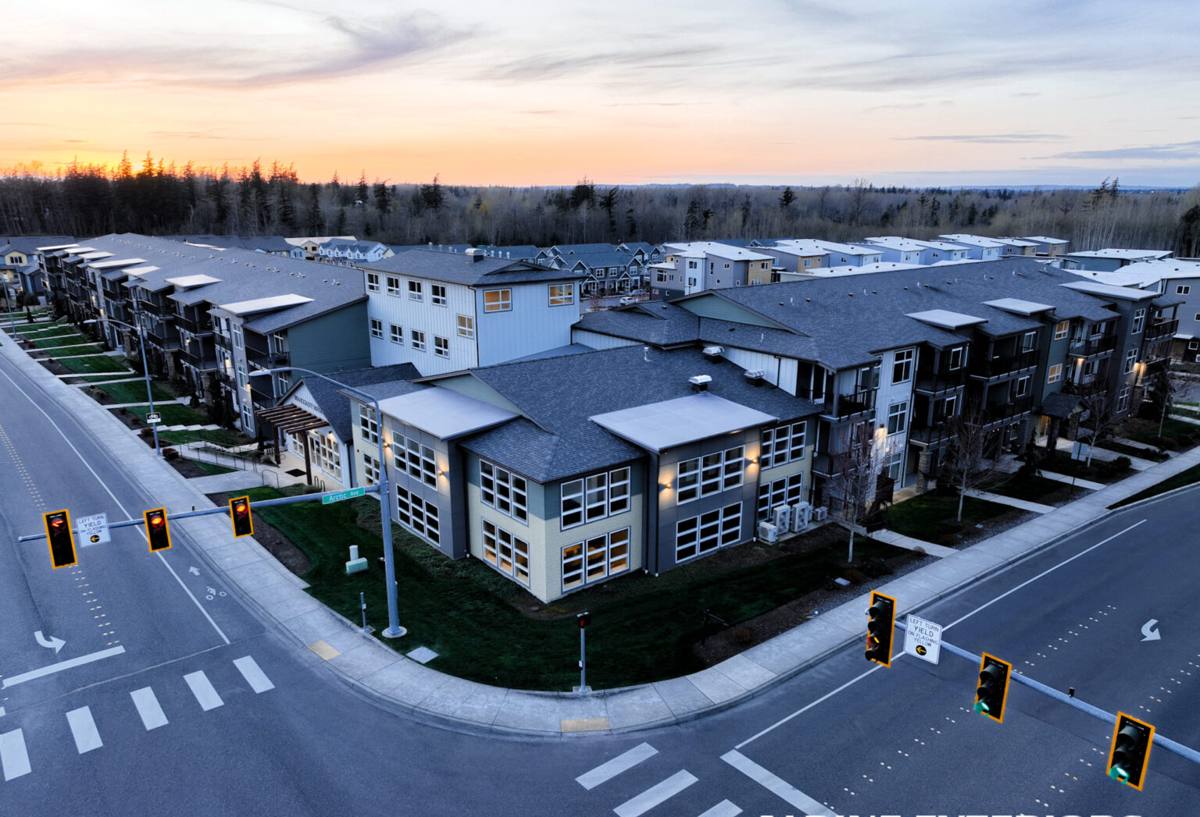
What Semiahmoo's Climate Does to Exterior Siding
Salt Air and Corrosion
Proximity to Semiahmoo Bay means airborne salt settles on every exterior surface, including siding, trim, and especially fasteners. Salt exposure accelerates corrosion in lower-grade nails and staples, and it slowly degrades paint films that aren't formulated to resist it. Fiber cement itself doesn't corrode or rust, which removes one major failure point that wood and metal-faced products can't avoid near the water.
Driving Rain
Storms coming off the Strait of Georgia often bring rain sideways, not straight down. That matters because it pushes water into laps, seams, and penetrations that would stay dry in a calmer climate. Siding that isn't installed with correct overlap, flashing, and clearances will eventually let that wind-driven moisture behind the cladding, no matter how good the material is.
Moss and Prolonged Dampness
Whatcom County's moss season runs long — shaded north and east-facing walls in Semiahmoo can stay damp for months at a stretch. Moss and algae growth on siding isn't just cosmetic; sustained dampness against a wall assembly is what causes rot in the sheathing behind lesser materials. Fiber cement resists moisture absorption far better than wood-based or wood-alternative products, so it doesn't feed that cycle the same way.
Why We Only Install James Hardie Here
We standardized on James Hardie fiber cement for every job we take on, including in Semiahmoo, rather than offering a menu of siding brands. A few reasons that decision matters more in this specific location:
- Non-combustible core — fiber cement doesn't contribute fuel to a fire, which matters during dry summer stretches even in a generally wet region.
- Factory-applied ColorPlus finish — baked-on color resists the fading and peeling that salt air and UV accelerate on field-applied paint.
- Climate-engineered HZ product lines — Hardie's HZ5 formulation is built for wetter, harsher climates like ours, rather than a one-size-fits-all product.
- Dimensional stability — fiber cement doesn't swell, cup, or warp the way wood and some wood-composite products do when they take on repeated moisture cycles.
- A real transferable warranty — backed by the manufacturer, not just the installer, and it survives a change of ownership if the home sells.
We don't install vinyl, LP SmartSide, cedar, primed spruce, or other fiber cement alternatives like Cemplank or Allura. Each of those has legitimate uses elsewhere, but we've made a professional call that James Hardie is the product we're willing to warranty our labor against in this climate, and we'd rather be a specialist in one system done correctly than a generalist in several.
What a Correct Installation Actually Involves
The material is only half the equation. Most siding failures we get called out to inspect — regardless of brand — trace back to installation shortcuts, not product defects. For a Semiahmoo home, the details that matter most include:
Water Management Behind the Siding
- A drainable weather-resistive barrier installed with correct overlaps, not just stapled house wrap
- Rainscreen furring or a drainage gap where wall assembly and exposure call for it, so moisture that gets behind the cladding can actually drain and dry
- Properly integrated flashing at every window, door, and roofline intersection — the majority of leaks start at these transitions, not in the field of the siding
- Correct kick-out flashing at roof-to-wall intersections so runoff is directed into gutters instead of down the wall
Fastening and Clearances
- Corrosion-resistant fasteners appropriate for coastal exposure, driven per Hardie's blind- or face-nailing specifications
- Minimum ground clearance and a gap above roof lines, decks, and patios so the bottom edge of the siding isn't sitting in standing water or splash-back
- Caulked and back-primed cut edges where required, since an exposed raw edge is a moisture entry point regardless of how good the panel itself is
Joint and Seam Treatment
Butt joints, corners, and panel seams are where wind-driven rain finds its way in if they're rushed. We treat these as the highest-risk part of the install, not an afterthought — correct shingle-lap or H-channel/joint treatment, sealed per manufacturer spec, and staggered seams so no single wall plane has a stacked failure point.
Our Process for a Semiahmoo Job
- On-site assessment — we walk the exterior, check the existing wall assembly, note moisture damage or rot, and look specifically at north/east exposures and any wall facing the bay directly.
- Scope and product selection — we specify the correct Hardie profile (lap, shingle, or panel) and HZ formulation for the home's exposure, and flag any trim, fascia, or soffit work that should be addressed at the same time.
- Removal and inspection — old siding comes off and we inspect sheathing underneath before anything new goes up; hidden rot gets addressed, not covered over.
- Water barrier and drainage plane — weather-resistive barrier and rainscreen (where applicable) go in first, with attention to how water will actually move down the wall.
- Flashing integration — windows, doors, and roof intersections get flashed before siding closes in around them.
- Siding installation — installed to Hardie's fastening, clearance, and joint specifications, not shortcuts that speed up the job.
- Final walkthrough — we review the finished work with the homeowner and confirm caulking, trim, and touch-up paint match the ColorPlus finish.
Why Hiring a Crew That Already Works This Area Matters
A crew that regularly works Semiahmoo and the surrounding Birch Bay shoreline already knows which walls take the worst of the wind and salt exposure, which roof-to-wall details tend to leak on homes built to older code, and how much drainage capacity actually makes sense for a given exposure. That's the kind of judgment that doesn't come from a manufacturer's install manual alone — it comes from having seen how homes in this specific stretch of Whatcom County actually perform over time. A contractor unfamiliar with coastal Whatcom County conditions may install siding correctly "by the book" for an inland climate and still leave a home under-protected against what Semiahmoo actually throws at it.
Comparing Cladding Options for a Coastal Whatcom County Home
| Factor | James Hardie Fiber Cement | Vinyl | Wood / Primed Spruce |
|---|---|---|---|
| Salt air resistance | Strong — non-corrosive, factory finish holds color | Can become brittle and fade faster with UV and salt exposure | Vulnerable without diligent repainting and sealing |
| Wind-driven rain performance | Strong when installed to spec, with proper laps and flashing | Prone to gaps and warping at fasteners over time | Depends heavily on maintenance of paint and caulk |
| Moss/moisture resistance | Doesn't absorb and swell like wood-based products | Doesn't rot, but traps moisture behind it if installed poorly | Absorbs moisture, feeds rot if damp persists |
| Fire resistance | Non-combustible | Combustible, can melt/deform | Combustible |
| Maintenance burden | Occasional wash, repaint only after decades | Low, but limited repair options once damaged | Regular repainting and sealing required |
Cost Factors for a Semiahmoo Siding Project
Every home's price varies with size, existing wall condition, and how much trim and drainage work is needed, so we won't quote a number here — but these are the factors that actually move the price:
- Whether existing siding removal reveals sheathing rot that needs repair before new siding can go on
- Home size, wall complexity, and number of corners, windows, and roof intersections requiring flashing
- Whether a rainscreen/drainage gap is added given the wall's exposure to bay-driven wind and rain
- Choice of lap, shingle, or panel Hardie profile, and trim/fascia scope bundled into the same job
- Site access and staging conditions specific to the property
A Practical Checklist Before You Sign a Siding Contract
- Does the estimate specify HZ5 or an equivalent climate-rated Hardie product, not a generic spec?
- Is a drainable weather-resistive barrier and, where appropriate, a rainscreen gap included in the scope?
- Does the contract call out flashing details at windows, doors, and roof-to-wall intersections by name?
- Are fasteners specified as corrosion-resistant and appropriate for coastal exposure?
- Is ground clearance and clearance above roofs/decks addressed in writing?
- Does the installer carry manufacturer certification or documented experience installing Hardie products specifically?
- Is the labor warranty separate from and clearly explained alongside the manufacturer's product warranty?
Ready to Talk About Your Home
If you own a home in Semiahmoo and you're weighing a siding replacement, we're glad to come take a look and tell you honestly what your walls need — no pressure, no inflated scope. Reach out for a free estimate and we'll walk the property with you before recommending anything.