 Birch Bay Siding
 Windows Built for Marietta's Coastline, Not a Catalog
Marietta sits close enough to Semiahmoo Bay and the Strait of Georgia that its homes take a different kind of weathering than houses even a few miles inland. Salt-laden air moves through the neighborhood most of the year, driving rain comes in sideways off the water during winter storms, and the shoulder seasons bring the kind of damp, low-light stretches that let moss and algae take hold on anything that stays wet too long. Windows here are not a cosmetic upgrade. They are one of the main things standing between your living room and that marine environment, and a window that was designed for a subdivision in Spokane is not necessarily the right call for a house three blocks from the water in Whatcom County.
"Custom" in this context does not mean expensive or ornate. It means the window is sized, framed, and specified to fit your actual opening, your home's exposure to wind and rain, and the realities of coastal Washington weather — instead of forcing a stock size into a rough opening and caulking around the gaps.
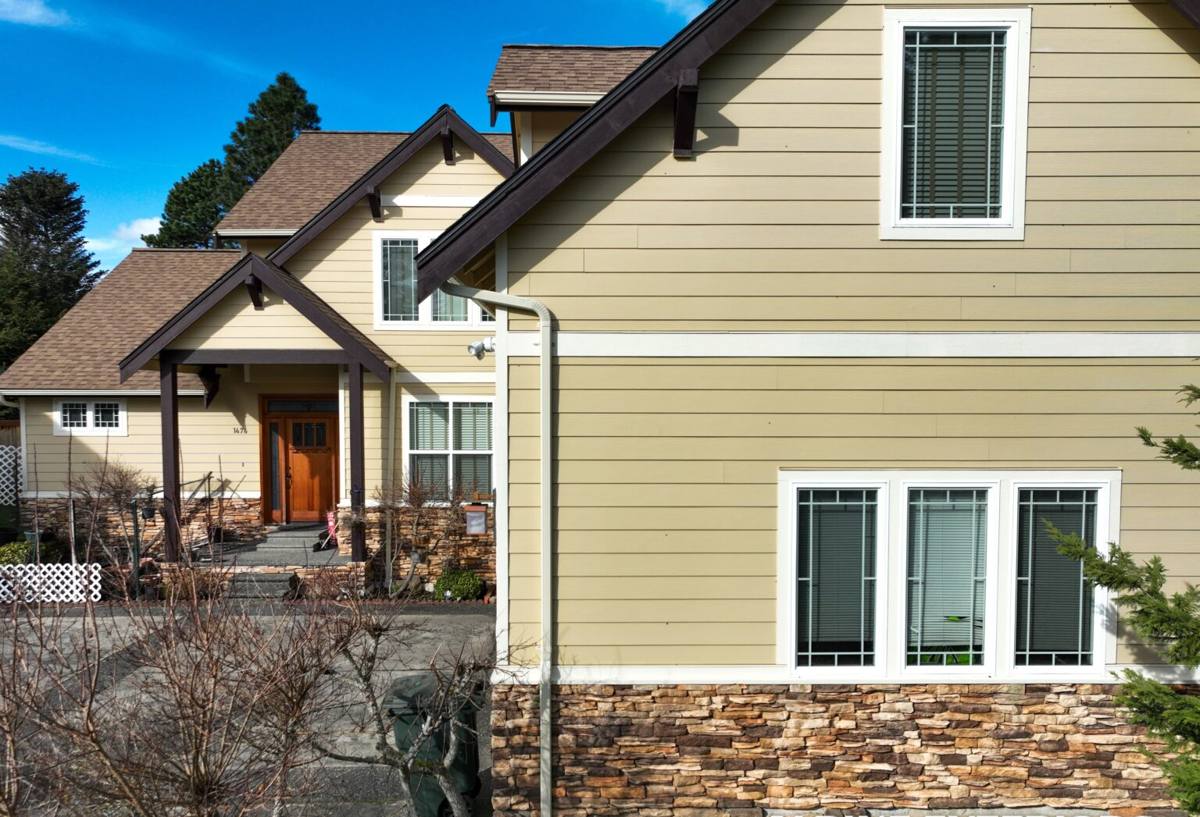
What Salt Air, Rain, and Moss Actually Do to a Window
Each of Marietta's climate stressors attacks windows in a different way, and understanding the mechanism helps explain why certain materials and details matter more here than in a drier inland town.
Salt Air
Airborne salt is corrosive to exposed metal — hinges, screws, cranks, and lesser-grade aluminum hardware are the first things to show it, usually as pitting, white oxidation, or hardware that starts to bind and stick. Vinyl and fiberglass frames don't corrode, but any metal components inside them (fasteners, balance systems, screen frames) are still exposed to the same air and need to be spec'd for a marine environment.
Driving Rain
Wind-driven rain off the water doesn't just fall on a window, it gets pushed sideways and upward under sills and around trim. A window that relies purely on a bead of exterior caulk to stay dry will eventually fail, because caulk is a maintenance item, not a water management system. Correct flashing, a sloped sill, and proper drainage paths behind the frame are what actually keep water out over the long run.
Moss and Algae
Whatcom County's damp, shaded, cool stretches — especially on north- and west-facing walls that don't get much direct sun — are ideal for moss and green algae growth on anything porous or textured that holds moisture. On windows this shows up most on wood sills, textured vinyl, and any trim or cladding that traps water against the frame. It's rarely a structural problem on its own, but sustained moisture against wood components is exactly the condition that leads to rot underneath the surface staining.
What a Correct Custom Window Job Involves
A window replacement or new installation in Marietta involves more decisions than picking a style off a showroom wall. The ones that actually affect how the window performs over the next 15-20 years are:
- Frame material matched to coastal exposure and your home's maintenance appetite
- Glass package — Low-E coatings, argon fill, and pane count for the PNW's mild-but-wet, low-sun-angle climate
- Flashing and drainage detail at the rough opening, not just sealant around the trim
- Sill design that sheds water away from the wall assembly instead of pooling against it
- Hardware grade rated for coastal/marine corrosion resistance
- Sizing and fit — true custom dimensions for older or slightly out-of-square openings, common in older Whatcom County housing stock
Skipping any one of these doesn't usually cause an immediate problem. It shows up two, five, or ten years later as a soft sill, a fogged pane, a window that won't latch cleanly, or staining that keeps coming back no matter how many times it's cleaned.
Frame Material: What Actually Holds Up Near the Water
There is no single "best" window material for every house — it depends on your home's exposure, your budget, and how much upkeep you want to do. Here's how the common options compare specifically for a salt-air, high-rain environment like Marietta's.
| Material | Salt Air / Corrosion Resistance | Moisture Behavior | Maintenance |
|---|---|---|---|
| Vinyl | Excellent — will not corrode or oxidize | Stable, doesn't absorb water; hardware is the only concern | Low — occasional wash-down |
| Fiberglass | Excellent — very stable in coastal exposure | Dimensionally stable across wet/dry and temperature swings | Low |
| Aluminum | Fair to good if properly finished; lesser hardware can pit over time | Doesn't rot, but is a poor thermal performer and can condense | Moderate |
| Wood (unclad) | Poor unless meticulously maintained | Absorbs moisture; prone to rot and moss growth on exterior faces | High — repainting/sealing on a recurring schedule |
| Wood, clad exterior | Good — cladding shields the wood from direct weather | Good if cladding and flashing details are correct | Moderate — interior wood still needs occasional care |
For most Marietta homes, we lean toward vinyl or fiberglass for straightforward performance and low upkeep, or clad-wood when a homeowner wants a real wood interior look and is willing to keep up with it. We don't push unclad exterior wood windows on homes with direct water exposure — it's not that wood is a bad material, it's that an unprotected wood exterior facing driving rain and salt air needs a maintenance commitment most homeowners underestimate going in.
Our Installation Process
The steps below are the same order we follow on every Marietta job, whether it's one window or a full-house replacement.
- On-site assessment. We measure every opening individually — older homes in this area are rarely perfectly square — and check the condition of the existing sill, framing, and any water staining or soft spots.
- Product and glass selection. Based on the wall's exposure to wind and rain, sun angle, and your priorities (energy performance, sound, budget), we recommend frame material and glass package rather than defaulting to one product for the whole house.
- Removing the old window and inspecting the opening. This is the point where hidden rot or water damage gets found, if it exists. We flag it before installing anything new — sealing a new window over a compromised opening just hides the problem.
- Flashing and drainage detail. We install flashing so water is directed out and away from the wall assembly, not just caulked at the surface. This is the single biggest factor in whether a window stays dry through a Whatcom County winter.
- Setting, shimming, and leveling the new window to the correct reveal and square, then securing per the manufacturer's fastening schedule — not just "however many screws feel right."
- Insulating and air-sealing the gap between frame and rough opening with the right material and thickness — over-packing or using the wrong sealant can bow a frame out of square.
- Exterior trim and sealant as the final water management layer, sized and applied to shed rain rather than trap it.
- Final walkthrough — we operate every window and door on-site with you before we consider the job done.
Signs a Marietta Home Needs New Windows
Not every window problem means full replacement, but these are the signs worth a professional look rather than another round of caulk and paint:
- Fogging or a visible haze between panes (failed seal on double- or triple-pane glass)
- Windows that are hard to open, close, or lock — often hardware corrosion or a frame that's shifted
- Soft or spongy wood at the sill or lower frame corners
- Moss, black streaking, or algae that returns within weeks of cleaning
- Visible daylight or a noticeable draft along the frame edge
- Condensation forming on the interior glass or frame regularly through fall and winter
- Paint that keeps peeling or bubbling at the same spot no matter how often it's redone
What Drives Cost on a Marietta Window Job
Every job is different, so we won't quote a number without seeing the openings, but these are the factors that move the price up or down:
| Factor | Why It Matters |
|---|---|
| Frame material | Vinyl is typically the most budget-friendly; fiberglass and clad-wood cost more upfront but often less over time in maintenance |
| Glass package | Double-pane Low-E is standard; upgrading to triple-pane or specialty coatings adds cost but improves comfort and energy performance |
| Opening condition | Rot or damage found behind the old window adds repair scope before the new one can go in correctly |
| Window count and size | Larger openings, custom shapes, and full-house jobs have different economies of scale than single-window replacements |
| Access and exposure | Second-story or hard-to-reach openings, especially on water-facing walls, take more time to flash and finish correctly |
We'd rather walk you through these trade-offs honestly than upsell a package you don't need. Sometimes the right call for a Marietta home is a mid-grade vinyl window with excellent flashing detail, not the most expensive frame on the shelf.
Why a Crew That Already Works Marietta Matters
Window installation isn't just a spec sheet — a huge amount of the long-term performance comes down to how the flashing, sill, and drainage are actually detailed on your specific wall, in your specific exposure. A crew that regularly works this stretch of Whatcom County has already seen how water moves across homes in Marietta's wind and rain patterns, which walls take the worst of the driving rain, and which details actually hold up through a full winter here versus what looks fine on installation day and fails two years later. That experience shows up in the small decisions — sill pitch, flashing overlap, hardware selection — that a crew unfamiliar with coastal PNW conditions might not think twice about.
It also means we're not guessing at what "normal" wear looks like on a Marietta house versus an actual problem. We can generally tell the difference between routine moss staining that needs a wash and a sill that's starting to fail underneath, because we've seen both many times on homes like yours.
Maintaining Custom Windows in a Marine Climate
Even a correctly installed, well-suited window benefits from a bit of seasonal attention in this environment:
- Rinse frames and sills periodically to clear salt residue and slow moss/algae buildup, especially on north- and west-facing walls
- Check and lightly lubricate hardware (locks, cranks, hinges) once or twice a year to keep salt air from seizing moving parts
- Inspect exterior caulk and sealant annually, especially after winter storm season, and address cracking before it becomes a leak
- Keep gutters and downspouts clear so roof runoff isn't dumping extra water directly onto window heads
- Watch for early moss regrowth on sills as an early signal of a moisture-holding spot worth a closer look
None of this is heavy maintenance — it's the kind of seasonal check most Whatcom County homeowners already do for the rest of the exterior. The goal is catching small issues while they're still small.
Get a Straight Answer for Your Marietta Home
If you're dealing with foggy glass, sticking hardware, drafts, or a sill that's starting to look tired, we're happy to come take a look and give you an honest read on whether it's a repair, a partial replacement, or worth planning for down the road. There's no pressure and no upsell — just a clear assessment based on what we actually see on your home. Use the form below to request a free estimate and we'll get back to you to schedule a time to walk the property together.