 Birch Bay Siding
 New Roof Installation in Terrell Creek
Terrell Creek sits close enough to the water that its homes take on a version of coastal weather most inland Whatcom County roofers rarely have to think hard about. Salt-laden air off the Strait of Georgia, long stretches of driving rain, and a wet season that seems to stretch a little longer every year all put steady pressure on a roof. When a roof in this area is nearing the end of its life, the right response usually isn't another round of patch repairs — it's a properly planned, properly installed replacement built for the conditions this neighborhood actually sees.
This page is about that one job: new roof installation for homes in and around Terrell Creek. Not a general overview of roofing services, but what a correct install looks like here, why the details matter more in this microclimate than they would twenty miles inland, and what our process looks like from first look to final inspection.
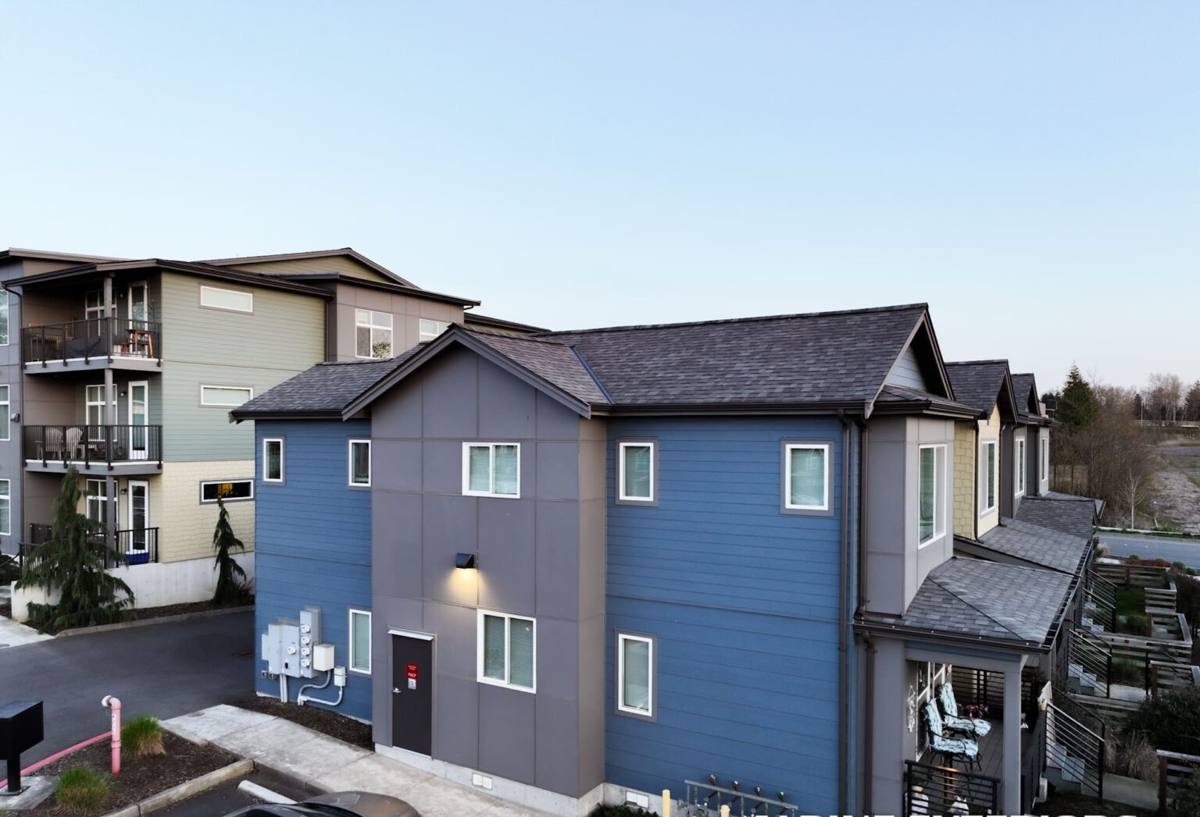
What Terrell Creek's Climate Does to a Roof
Three things drive most of the roofing problems we see in this part of Birch Bay:
- Salt air. Homes closer to the water are exposed to airborne salt that accelerates corrosion on exposed metal — flashing, fasteners, vents, and gutter hardware age faster here than they would further inland.
- Driving rain. Wind off the water doesn't just drop rain straight down — it pushes it sideways, under shingle tabs and into any gap in flashing or underlayment that a fair-weather install might get away with elsewhere.
- A long moss season. Cool, damp, shaded conditions for much of the year give moss and algae plenty of time to establish on north-facing slopes and anywhere debris collects, which holds moisture against the roof surface long after a storm has passed.
None of this means Terrell Creek needs exotic materials. It means the ordinary parts of a roofing job — fastener choice, underlayment coverage, flashing detail, ventilation — have to be done right every time, because this climate finds and exploits shortcuts faster than most.
Signs a Terrell Creek Home Needs a New Roof, Not Another Repair
Repairs make sense when a roof has a localized problem and years of useful life left. Replacement makes sense when the roof itself is wearing out. Common signs we see on homes in this area include:
- Shingles that are cupping, curling, or losing granules across large sections rather than one spot
- Persistent moss growth that comes back within a season or two of cleaning
- Soft or spongy decking felt underfoot in the attic, or visible sagging from the ground
- Recurring leaks in different locations, rather than the same spot every time
- A roof that's simply reaching the end of its rated lifespan and has taken visible weather damage along the way
If your roof is showing one or two of these and is otherwise sound, a repair may still be the honest answer — we'll tell you that directly. Replacement is the right call when the underlying materials, not just the surface, are compromised.
Choosing the Right Roofing System for This Area
There's no single "best" roofing material for every home, but some perform more predictably than others in a salt-air, high-moisture environment. Here's how the common options stack up for a Terrell Creek install:
| Material | How it handles this climate | Maintenance to expect |
|---|---|---|
| Architectural asphalt shingle | Solid performance when installed with full underlayment coverage and correct flashing; algae-resistant granule options help with moss/streaking | Periodic moss and debris removal, especially on shaded slopes |
| Standing seam metal | Sheds driving rain well and handles wind uplift strongly; requires marine-grade or coated fasteners near the water to resist salt corrosion | Low; occasional fastener and sealant check |
| Composite / synthetic shake | Good moisture resistance without the upkeep of real wood shakes, which hold water and moss longer in this climate | Low to moderate |
| Wood shake | Traditional look, but absorbs and holds moisture, which shortens its life here and feeds moss growth | High — regular treatment and moss control needed |
We're honest with homeowners about that last row: wood shake can look great, but in a damp, shaded, salt-air setting like Terrell Creek it's a higher-maintenance choice than most people expect going in. That's a trade-off worth knowing before you commit, not a knock on the material itself.
Underlayment and Flashing Matter as Much as the Surface Material
Whatever surface material you choose, the underlayment and flashing system underneath it is what actually keeps water out during a sideways rainstorm. For Terrell Creek installs, that means full synthetic underlayment coverage, ice-and-water shield at vulnerable points (eaves, valleys, penetrations), and step flashing at every wall intersection — not just caulk standing in for proper flashing.
Our New Roof Installation Process
- On-site inspection and estimate. We look at the existing roof, decking condition, ventilation, and any problem areas specific to your home's exposure before quoting anything.
- Material selection. We walk through options based on your budget, the home's style, and how much maintenance you're willing to take on long-term.
- Tear-off and decking inspection. Old materials come off completely so we can check the decking underneath — soft or water-damaged sections get replaced, not covered over.
- Underlayment and flashing installation. This is where most long-term leak protection actually comes from, and it's the step we won't rush.
- Roofing material installation. Installed to manufacturer specification for wind and water resistance, with attention to fastener corrosion resistance given the salt air.
- Ventilation check. We confirm intake and exhaust airflow is adequate, since poor ventilation shortens roof life and worsens moss and moisture issues in this climate.
- Final walkthrough and cleanup. We review the finished roof with you and clear the site of debris and old materials.
What's Included in a Correct Roof Installation
A new roof is only as good as the parts of it you can't see once it's finished. Before we consider any install complete, it includes:
- Full tear-off to bare decking (never a layover on an aging roof)
- Decking repair or replacement wherever moisture damage is found
- Ice-and-water shield at eaves, valleys, and roof penetrations
- Synthetic underlayment across the full roof deck
- Properly lapped, corrosion-resistant flashing at all walls, chimneys, and penetrations
- Balanced intake and exhaust ventilation
- Manufacturer-spec fastening pattern for local wind exposure
- A final inspection walkthrough before we call the job done
Moss, Ventilation, and Long-Term Roof Health
Why Moss Keeps Coming Back
Moss doesn't just sit on a roof — its root structure lifts shingle edges and holds moisture directly against the surface, which accelerates wear underneath it. In a shaded, damp neighborhood like Terrell Creek, moss spores are simply always present in the air. The goal of a new install isn't to make a roof moss-proof forever, but to reduce the conditions moss needs to establish: better sun exposure where possible, algae-resistant materials, and a roof design that sheds water and debris rather than trapping it.
Why Ventilation Is Not Optional
A roof that can't breathe traps heat and moisture in the attic, which condensates against the underside of the decking and shortens the life of everything above it — shingles included. Proper intake at the eaves and exhaust at the ridge keeps that moisture moving out instead of sitting. We check this on every new install, because it's an easy thing to overlook and a costly one to fix after the fact.
Why Local Experience in Terrell Creek Matters
A crew that works this specific stretch of Birch Bay regularly already knows which slopes hold moss longest, how far the salt air's effects reach inland from the water, and which flashing details tend to fail first on homes built to older code in this area. That's not something you can fully substitute with a generic install checklist — it comes from doing the work here, on homes like yours, season after season. It also means we're a known, reachable local business if anything ever needs a look after the job is done, not a crew that worked the area once and moved on.
Cost Factors for a New Roof
Every home is different, but the biggest cost drivers we see on Terrell Creek installs are consistent:
| Factor | Why it affects cost |
|---|---|
| Roof size and pitch | More surface area and steeper slopes both increase material and labor time |
| Decking condition | Water-damaged decking found during tear-off needs replacement before new material goes on |
| Material choice | Asphalt, metal, and composite options carry different material and labor costs |
| Number of penetrations | Chimneys, skylights, and vents each require additional flashing work |
| Access and site conditions | Tree cover, tight lot access, or steep terrain can add time to tear-off and material staging |
We won't quote a firm number without seeing the roof, but we'll walk you through exactly which of these factors apply to your home and why, so the estimate makes sense rather than arriving as a mystery figure.
Ready for an Honest Look at Your Roof?
If your roof is showing its age, or you just want a straight answer about whether repair or replacement is the smarter move, we're happy to take a look. Reach out for a free, no-pressure estimate using the form below — we'll give you a clear picture of your options for a new roof built to hold up in Terrell Creek's salt air, driving rain, and moss season.