 Birch Bay Siding
 Windows Built for Nooksack's Weather, Not Just the Showroom
Nooksack sits inland from Birch Bay, but that doesn't mean the weather goes easy on a house. Whatcom County as a whole deals with long stretches of driving rain, heavy cloud cover, and a moss season that can run most of the year on north-facing surfaces. Out here, the bigger threats to a window aren't salt air off the water — that's more of a concern for homes right on the bay — they're moisture that never fully dries out, wind that pushes rain sideways into old trim, and temperature swings between a cold, damp winter and warm agricultural summers in the Nooksack River valley. A window that isn't sealed and installed correctly for this climate will show it within a few seasons: fogged glass, soft wood, sticking sashes, and a heating bill that keeps climbing.
"Custom" windows aren't about luxury add-ons. In a place like Nooksack, where a lot of homes are older farmhouses, remodeled outbuildings, or additions built without matching the original construction, custom simply means the window is made and installed to fit the actual opening and the actual conditions of that wall — not whatever size happens to be in stock.
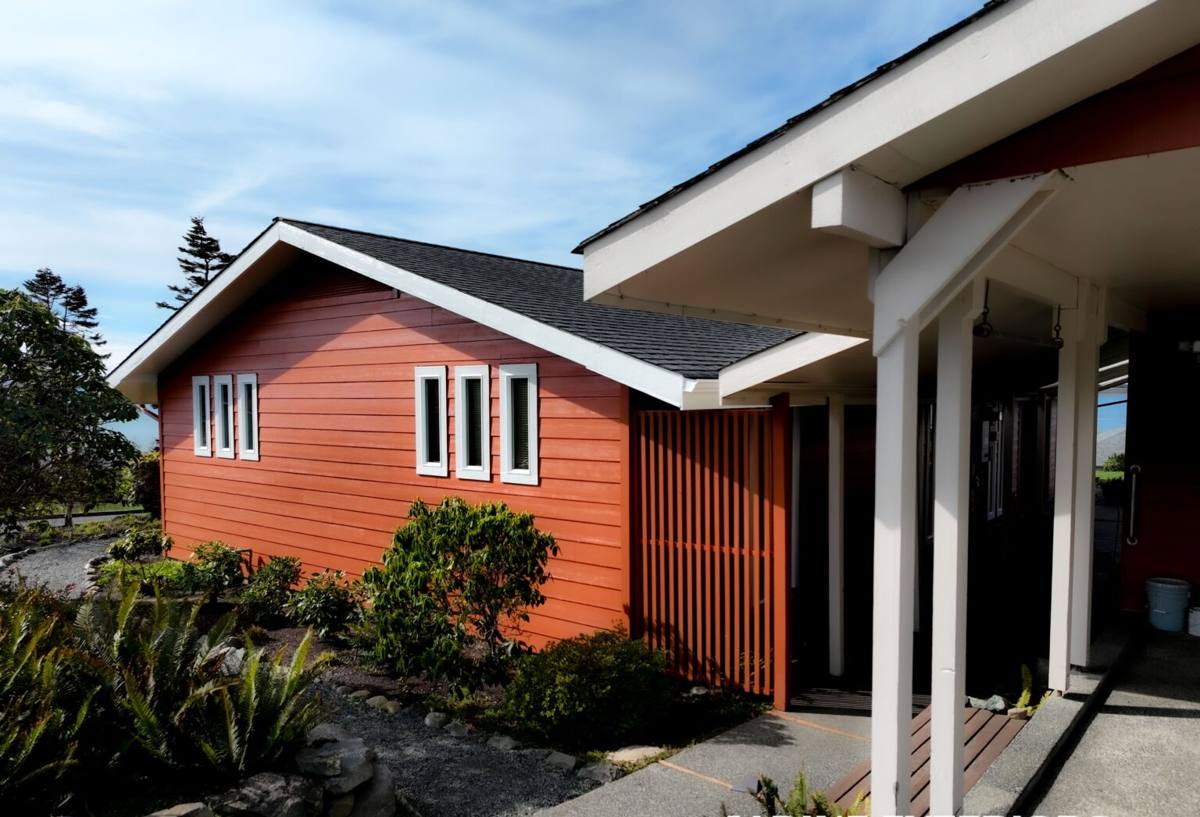
What "Custom" Actually Means for a Window Job Here
A stock window works fine when a house was built to standard dimensions and the opening is square, plumb, and in good condition. A lot of older Nooksack homes don't check all three of those boxes. Custom windows solve for:
- Non-standard openings — additions, converted porches, or hand-built farmhouses where rough openings were never standardized
- Out-of-square or settled framing, common in older rural construction
- Matching sightlines and grille patterns across a house that's been added onto over the years
- Odd shapes — arched, angled, or oversized openings that off-the-shelf sizing can't cover
- Replacing a window without tearing into siding that's otherwise in good shape
The goal is always the same: a window that fits its opening precisely, seals correctly on the first try, and doesn't need trim packed with caulk to hide a gap.
Common Window Problems We See in Nooksack Homes
Condensation and Fogging
Fog trapped between panes means the seal on that insulated glass unit has failed and the gas fill (or plain air) is gone, along with most of its insulating value. This shows up faster on windows that get shaded most of the day, which is common in wooded and low-lying parts of Nooksack where sun exposure is limited and moisture lingers.
Soft or Rotting Frames
Wood-framed windows that weren't properly flashed or maintained will hold water at the sill and bottom corners. In a climate with this much sustained rain, that damage compounds every winter it's ignored.
Drafts and Sticking Sashes
Older aluminum and single-pane wood windows were never built with today's energy standards in mind. Add decades of settling and paint buildup, and you get windows that are hard to operate and leak air around the sash even when "closed."
Moss and Algae Staining on Sills and Trim
It's cosmetic on its own, but moss holds moisture against wood and painted surfaces longer, which speeds up the rot problems above. Where we see heavy moss on trim, we usually find the window seal or flashing behind it isn't doing its job either.
Choosing the Right Material for This Climate
There's no single "best" window material — the right choice depends on the house, the budget, and how much upkeep you want to take on. Here's how the common options actually perform in a wet, inland Whatcom County setting like Nooksack:
| Material | Moisture Resistance | Maintenance | Best Fit |
|---|---|---|---|
| Vinyl | Very good — won't rot, resists moss and mildew staining | Low — occasional cleaning | Most Nooksack homes prioritizing value and low upkeep |
| Fiberglass | Excellent — very stable in wet, temperature-swinging climates | Low | Larger openings or homes wanting a longer-term, higher-end option |
| Wood-clad (exterior clad, wood interior) | Good on the exterior if cladding is intact; interior wood needs a dry environment | Moderate — exterior is low-maintenance, but any cladding breach exposes wood to rot | Homes wanting a traditional wood look inside, with modern protection outside |
| Solid wood | Poor to fair without diligent upkeep | High — regular painting/sealing required | Historic restorations where matching original material matters more than upkeep |
Our default recommendation for most Nooksack homes is vinyl or fiberglass, simply because they hold up with the least maintenance in a climate that doesn't give wood much of a break. We'll still install and detail wood or wood-clad windows correctly when that's the right call for the house — we just won't tell you it's maintenance-free when it isn't.
How We Handle a Custom Window Job
- On-site assessment. We measure every opening individually — no assuming they match — and check the condition of the framing, sill, and existing flashing.
- Honest scoping. If we find soft framing or a flashing problem while we're in there, we tell you before work starts, not after the new window is already in.
- Material and glass selection. We walk through the real trade-offs for your house and budget rather than pushing one product line.
- Precise fabrication or ordering. Custom sizes are built or ordered to the actual opening, not a nominal "close enough" stock size.
- Installation with proper flashing and sealing. This is the step that determines whether a window lasts 5 years or 25 in this climate. Flashing, sill pans, and sealant details matter more than the window brand.
- Final check and cleanup. We confirm operation, seal integrity, and that trim and siding are put back correctly.
Sizing, Code, and Older Farmhouse Considerations
A lot of the custom work in Nooksack isn't about making something fancier — it's about making something fit and function correctly. A few specifics that come up often:
Egress Requirements
Bedrooms need a window that meets minimum opening size and sill height for emergency egress. Older farmhouses were often built before these standards existed, so a bedroom window replacement is a good time to confirm the opening actually meets current code — especially if a room was ever converted or added on without permits.
Matching Proportions on Additions and Older Builds
When a house has been added onto over the decades, window proportions and grille patterns often drift from the original. Custom sizing lets us keep sightlines consistent across the front of the house instead of leaving a mismatched addition that's obvious from the road.
Working Around Existing Siding and Trim
Full-frame replacement (removing the old frame down to the rough opening) gives the cleanest, longest-lasting result, especially if there's hidden rot. Insert replacement (new window into the existing frame) is faster and less invasive when the existing frame is sound. We'll tell you honestly which situation you're in rather than defaulting to whichever is easier for us.
What Affects the Cost
| Factor | Why It Matters |
|---|---|
| Full-frame vs. insert replacement | Full-frame costs more but is necessary when there's hidden rot or the frame is out of square |
| Material (vinyl, fiberglass, wood-clad) | Fiberglass and wood-clad typically cost more upfront than vinyl but can offer different lifespans and looks |
| Glass package (double vs. triple pane, Low-E coatings) | Better glass packages raise upfront cost but lower energy loss through a Whatcom County winter |
| Non-standard sizes or shapes | Custom-built units for oversized, arched, or odd openings cost more than stock sizes |
| Number of openings and access | Multiple windows on one visit reduce per-window labor cost; hard-to-access second-story openings add time |
| Existing damage | Rotted framing or failed flashing found during removal adds repair scope before the new window goes in |
We give real numbers after we've actually looked at your windows and openings — not a phone-quote guess that changes once we open the wall up.
Signs It's Time to Replace, Not Repair
- Fogged or hazy glass between the panes (failed seal — can't be fixed, only replaced)
- Visible soft spots, gaps, or paint failure at the frame or sill
- Windows that won't stay open, won't latch, or are painted shut
- Noticeable draft or cold spot near the window even when it's fully closed
- Moss or dark staining that keeps returning on the sill or trim within a season of cleaning
- Rooms that are consistently harder to heat than the rest of the house
- Condensation forming on the inside of the glass regularly, not just on the coldest mornings
Why a Crew That Already Works Nooksack Matters
Window installation is unforgiving work — a flashing detail that's slightly wrong doesn't show up as a problem until water finds it, sometimes a year or two later. A crew that regularly works Whatcom County's inland communities has already seen how this climate treats a bad seal or a skipped flashing step, and builds every install to avoid it rather than to just pass a quick visual check. That local experience also means we're familiar with the mix of older farmhouses, additions, and newer builds common around Nooksack, so we're not guessing at how to handle an out-of-square opening or a non-standard rough framing — we've done it before, on houses like yours, in this same weather.
If you're weighing repair versus replacement, or just want a straight answer on what your windows actually need, we're happy to take a look. Reach out for a free, no-pressure estimate using the form below.