 Birch Bay Siding
 Siding Built for the California Creek Stretch of Birch Bay
California Creek sits in one of the more exposed pockets of Birch Bay's shoreline geography — close enough to the water to catch salt-laden air off the bay, low-lying enough in places to hold moisture longer than higher ground, and wooded enough in the surrounding lots to keep shade and dampness around the house well into the afternoon. None of that is unusual for Whatcom County's coastline, but it does mean siding here works harder than siding on a dry inland lot forty minutes away. A product and installation method that would be perfectly fine in a drier part of the county can fall behind fast when it's fighting salt air, driving rain, and a long moss season every year.
This page is about one thing specifically: what it takes to install siding correctly on a California Creek home, and why the details matter more here than they do in less exposed parts of Birch Bay.
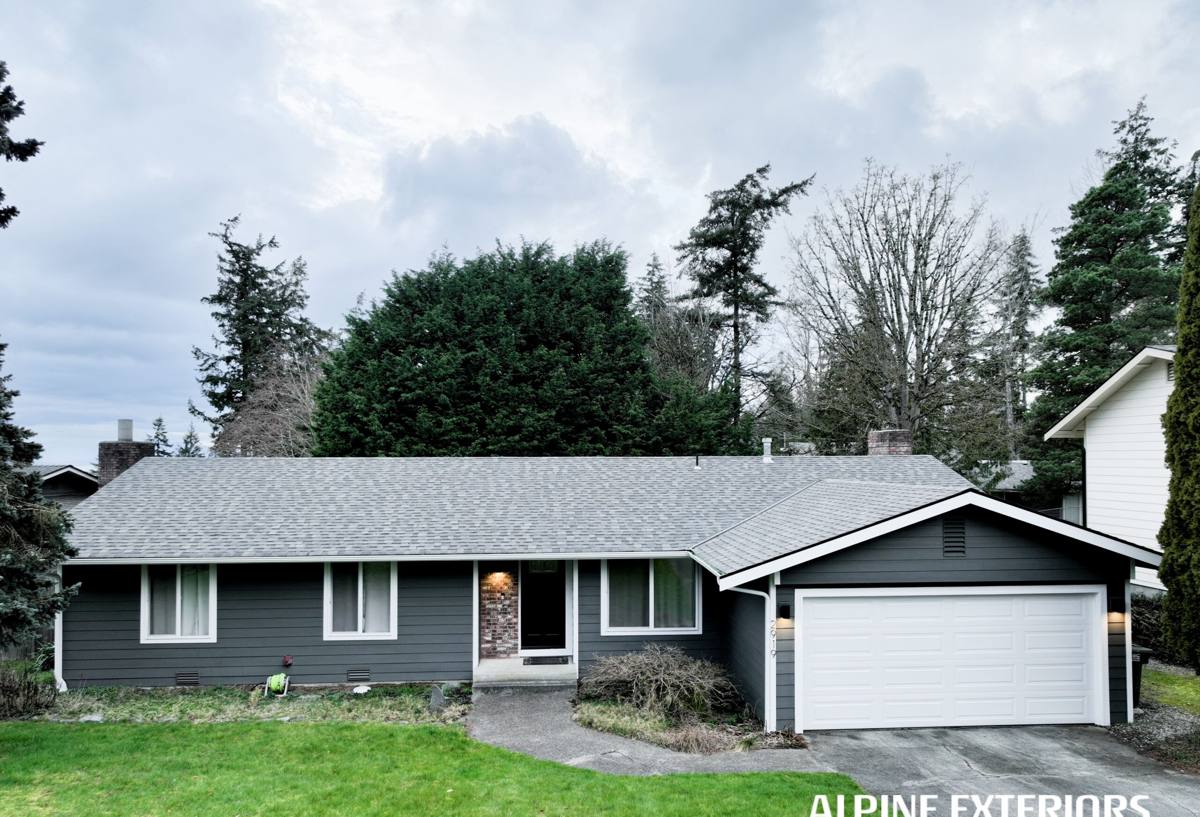
What This Climate Actually Does to Siding
Salt Air
Airborne salt from Birch Bay doesn't just affect homes sitting right on the water. It travels with the wind and settles on siding, trim, and fasteners across the surrounding area, including set-back lots near California Creek. Over years, salt exposure accelerates corrosion on unprotected metal fasteners and trim, and it's part of why fastener choice and coating matter as much as the siding material itself.
Driving Rain
Storms coming off the Strait of Georgia don't fall straight down — they come in sideways, pushed by wind, and they find every gap in a building envelope that isn't detailed correctly. Driving rain is the single biggest reason poorly installed siding fails here: water gets behind the cladding at a seam, a butt joint, or a penetration, and it stays there because it has no way back out.
A Long Moss Season
Between the shade from surrounding trees, the persistent damp, and mild winter temperatures, California Creek properties can stay wet enough for moss and algae growth for much of the year, especially on north-facing walls and anywhere siding sits close to landscaping or tree cover. Moss holds moisture against the surface longer than open air would, which is a slow but steady stress on any siding material — and a bigger one on materials that swell, rot, or delaminate when they stay wet.
What a Correct Installation Involves Here
Good siding starts before the first piece of cladding goes up. In an area like California Creek, the water management layer underneath the siding matters as much as the siding itself.
Water-Resistive Barrier and Flashing
A properly lapped weather-resistive barrier, correctly flashed windows and doors, and flashing at every horizontal transition (roof-to-wall, deck ledgers, trim boards) give water a way out if it ever gets past the siding — which, in driving rain, it eventually will at some point over a home's life. This layer is invisible once the job is done, but it's the difference between a wall that sheds incidental moisture and one that traps it.
Clearances and Fastening
Siding needs proper clearance from grade, roof lines, decks, and patios so water and debris don't sit against the bottom edge. Fasteners need to be the right type, coating, and placement for both the material and the coastal exposure — under-fastening leads to movement and gapping, over-driving cracks or damages fiber cement, and the wrong fastener metal corrodes faster in salt air.
Joints and Caulking
Butt joints, corners, and penetrations (hose bibs, vents, light fixtures) are the most common failure points on any siding job. Correct installation means minimizing unnecessary seams, properly gapping and sealing the ones that remain, and using materials rated for the exposure rather than whatever caulk is on the truck.
Why We Install Only James Hardie Fiber Cement
We standardized on James Hardie fiber cement siding because it holds up to this exact climate profile better than the alternatives we used to install. It's non-combustible, it doesn't absorb and swell with moisture the way wood-based products can, and it carries a factory-applied ColorPlus finish that resists the fading and moisture damage that plain paint takes on over time in a wet, sun-mixed climate like this one. Hardie's HZ5 product line in particular is engineered for climates with more moisture exposure, which fits California Creek's conditions well.
We don't say this to knock every other product on the market — vinyl, LP SmartSide, and other fiber cement brands all have their place. But once we saw the pattern of callbacks and premature failures tied to moisture-sensitive materials in coastal Whatcom County conditions, we made a standard for our own crews: Hardie, installed to spec, every time.
How Siding Materials Compare in a Salt-Air, High-Moisture Climate
| Material | Moisture Behavior | Salt Air / Coastal Fit | Long-Term Maintenance |
|---|---|---|---|
| James Hardie fiber cement | Doesn't swell or rot; engineered moisture resistance in HZ lines | Strong — factory finish holds up well | Occasional wash, repaint only if desired |
| Vinyl | Doesn't absorb water, but can warp or crack with temperature swings and impact | Fair — can fade and become brittle over time | Low, but limited repair options if damaged |
| Engineered wood (LP SmartSide) | Wood-based; vulnerable at cut edges and joints if moisture gets in | Moderate — depends heavily on installation and sealing quality | Ongoing joint/edge monitoring recommended |
| Cedar / primed wood | Absorbs moisture readily; prone to rot without diligent upkeep | Weak without frequent maintenance | High — regular refinishing and inspection |
Our Process on a California Creek Home
1. On-Site Assessment
We walk the property and look at sun exposure, shade patterns, proximity to the water and tree cover, drainage around the foundation, and the condition of the existing siding and trim. A house tucked into trees near the creek gets assessed differently than one sitting more open toward the bay.
2. Prep and Water Management
Old siding and damaged sheathing come off, the wall is inspected for hidden moisture damage, and the water-resistive barrier and flashing are installed or corrected before any new cladding goes up. This step gets skipped or rushed more often than homeowners realize — it's also the step that determines whether the siding lasts 10 years or 40.
3. Installation to Manufacturer Spec
Hardie siding is installed following manufacturer fastening, clearance, and joint-treatment specifications, not shortcuts. That's what keeps the transferable warranty valid and what actually gives the wall its weather resistance.
4. Trim, Caulking, and Final Detail
Trim, corners, and penetrations get sealed with attention to the specific failure points that show up most in this climate — joints, fastener heads, and anywhere two materials meet.
5. Walkthrough
We go over the finished job with the homeowner, point out anything worth knowing for future maintenance, and answer questions before we consider the job done.
Signs Your Current Siding Is Falling Behind
- Soft or spongy spots when you press on the siding, especially near the bottom courses
- Visible moss or algae buildup that comes back quickly after cleaning
- Peeling, bubbling, or chalky paint that wasn't refinished within the last several years
- Warping, cupping, or gaps opening up at seams and corners
- Water stains or discoloration on interior walls near exterior corners or windows
- Visible rust streaking from fastener heads or trim
Any one of these on its own isn't necessarily an emergency, but a few of them together on a California Creek home is usually a sign the water management behind the siding has already been compromised.
Maintenance in This Climate
Even the right siding installed correctly benefits from a little seasonal attention here, mostly because of the moss and moisture load:
- Rinse siding periodically to keep salt residue and organic buildup from accumulating, especially on shaded or north-facing walls
- Trim back vegetation and tree limbs that keep siding shaded and damp longer than necessary
- Check gutters and downspouts each fall so overflow isn't running down the wall face
- Walk the exterior once or twice a year looking for the warning signs listed above
- Keep an eye on caulking at joints and penetrations — it's the first thing to wear out, and the cheapest thing to fix before it becomes a bigger problem
Why It Matters That We Already Work This Area
A crew that installs siding across a wide mix of Whatcom County conditions learns to treat California Creek's exposure as a variable to plan around — not an afterthought. That means going into a bid already thinking about shade patterns, drainage, and salt exposure specific to a property near the creek and shoreline, rather than applying a generic install method and hoping it holds up. It also means we're not guessing about how James Hardie siding performs in this exact climate — we've installed it here, and we stand behind that work with the manufacturer's transferable warranty backing it.
If you're planning a siding replacement or new installation on a California Creek home, we're happy to take a look, walk the property with you, and put together a straightforward estimate — no pressure, no sales script, just an honest read on what your home needs. Use the form below to get started.