 Birch Bay Siding
 Siding Built for Life Near the Water
Lummi Island homes face a tougher exterior environment than houses just a few miles inland. Salt-laden air off the water accelerates corrosion on fasteners and trim, wind-driven rain finds every gap in a poorly flashed wall, and the long, damp Pacific Northwest shoulder seasons give moss and algae months to take hold on north-facing walls and anything shaded by trees. Siding that isn't specified and installed with that combination in mind tends to show problems early: swelling at the bottom edges, staining, soft spots around trim, and a general tired look years before it should appear.
We install siding on homes throughout Birch Bay and the surrounding Whatcom County shoreline, and Lummi Island jobs get the same standard: one product line, installed to manufacturer spec, with the flashing and moisture details treated as the actual job — not an afterthought to hanging boards.
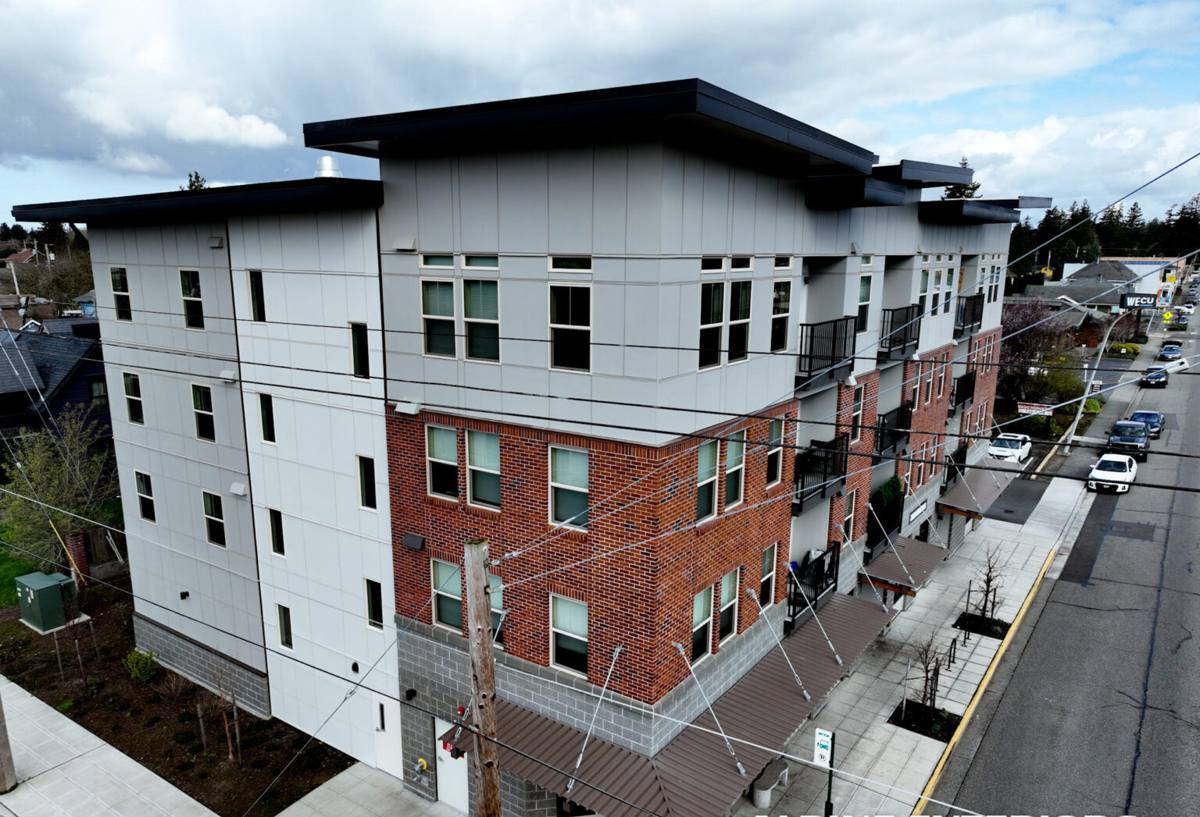
What Lummi Island's Climate Actually Does to Siding
Salt Air and Metal Fasteners
Airborne salt doesn't just sit on the surface — it works into fastener heads, hinges, and any exposed metal trim over time. Siding systems that rely on the wrong fastener material, or installers who use whatever nail gun is loaded that day instead of a corrosion-rated fastener, end up with rust streaks bleeding down the face of the siding within a few years. This is a detail question, not a product question, and it's one of the first things we check on every waterfront and near-waterfront job.
Driving Rain and Wind
Storms coming off the Strait of Georgia and the Salish Sea don't just fall straight down — wind pushes rain sideways and up under laps, trim, and penetrations. A siding job that looks fine on a calm day can still leak during a real weather event if the water-resistive barrier, flashing, and caulking weren't installed correctly underneath. The siding itself is really the last line of defense; the wall assembly behind it does most of the actual work keeping water out.
Moss, Algae, and Shade
Between the marine humidity and tree cover common on the island, north- and west-facing walls can stay damp for extended stretches, especially in fall and winter. Some siding materials absorb that moisture and hold it, which feeds moss and algae growth and, over years, can lead to swelling or rot at seams and butt joints. A dense, factory-finished fiber cement product handles this dramatically better than wood-based or wood-look products that depend on field-applied paint or sealant to stay protected.
Why Working With a Crew That Already Serves the Island Matters
Lummi Island is reached by ferry, which is a real, practical factor on any construction project — not a minor inconvenience. Material deliveries, crew scheduling, and equipment staging all have to account for ferry timing, and a contractor who hasn't planned around it can turn a straightforward install into a stretched-out, frustrating timeline. We build ferry logistics into the schedule up front: materials are ordered and staged so the crew isn't waiting on a delivery that missed a sailing, and we plan work days to make efficient use of the crew's time once they're on the island rather than making multiple partial trips.
There's also a quality-control angle. A crew that regularly works island and near-shoreline homes in Whatcom County already knows to double up on flashing details, use the right fastener spec, and take moss-prone shade patterns seriously — because they've seen what happens when those things get skipped. That's a different starting point than a crew that mostly works inland and treats a coastal job like any other.
What a Correct Siding Installation Actually Involves
Good-looking siding and correctly installed siding are not the same thing. A proper installation is mostly invisible once it's done — it's in the layers you don't see.
- Removal of old siding and inspection of the sheathing underneath for hidden rot or moisture damage before anything new goes on
- A continuous, correctly lapped water-resistive barrier (house wrap) with all seams taped or sealed per manufacturer instructions
- Properly flashed windows, doors, and any wall penetrations, with flashing that directs water out and down — never trapped behind the siding
- Correct starter strips, panel spacing, and fastening pattern per the manufacturer's published installation guide, not a generalized "how we always do it" approach
- Corrosion-resistant fasteners suited to a marine/coastal environment
- Proper clearance between the bottom edge of the siding and grade, decks, patios, and roof lines to prevent wicking and splash-back moisture
- Factory-finished color and caulk lines that match manufacturer specifications so the warranty stays intact
Skip any one of these steps and the siding may look fine on installation day while still being set up to fail early — usually in ways that aren't obvious until moisture damage is already underway behind the wall.
Why We Install Only James Hardie Fiber Cement
We made a decision to install one siding system — James Hardie fiber cement — rather than offer a menu of products at different price points. On a site like Lummi Island, that decision matters more than usual.
Fiber cement is dense and dimensionally stable, so it doesn't swell, cup, or absorb water the way wood-based and some engineered wood products can, which matters directly in a damp, moss-prone environment. It's non-combustible, which is a genuine advantage anywhere wildfire risk or defensible-space rules are a consideration. James Hardie's HZ5 product line is engineered specifically for climates with more moisture exposure, and the factory-applied ColorPlus finish is baked on under controlled conditions rather than field-painted, which means better fade and moisture resistance at the surface than a coating applied on site in variable weather. It also carries a strong transferable warranty, which only holds up if the installation itself meets Hardie's published specifications — another reason installation detail work isn't optional.
We don't install vinyl, LP SmartSide, Cemplank, Allura, primed spruce, or cedar. Each of those has real applications and honest advantages in the right situation, but we chose to standardize on one system we can install to spec every time and stand behind, rather than stock multiple product lines and installation methods.
Our Process, Start to Finish
- On-site assessment. We look at existing siding condition, sheathing, exposure direction, shade patterns, and any signs of past moisture intrusion.
- Written estimate. A clear scope of work, product and color selection, and a realistic timeline that accounts for ferry scheduling if the property is on the island.
- Material staging. Siding, trim, house wrap, flashing, and fasteners are ordered and confirmed on-site before the crew mobilizes, so the job isn't stalled mid-install waiting on a supply run.
- Tear-off and sheathing check. Old siding comes off and the sheathing gets a real inspection — this is the point where hidden problems get caught while they're still cheap to fix.
- Weather barrier and flashing. The water-resistive barrier and all flashing details go in correctly, methodically, before a single piece of visible siding is hung.
- Installation to manufacturer spec. Panels, fasteners, and trim installed per James Hardie's published guidelines, maintaining proper clearances throughout.
- Final walkthrough. We review the finished job with the homeowner and go over basic care going forward.
What Siding Installation Typically Costs — and What Moves the Number
Every home is different, but the factors below are what actually drive cost up or down on a Lummi Island siding project. We give exact numbers only after seeing the property.
| Cost Factor | Why It Matters |
|---|---|
| Home size and wall complexity | More corners, gables, and dormers mean more cutting, flashing, and labor time |
| Existing siding removal | Tear-off and disposal adds time versus installing over new construction sheathing |
| Sheathing/framing repair | Hidden rot found during tear-off adds cost but prevents new siding from failing early |
| Trim and detail work | Window and door trim, corner boards, and fascia detailing add labor beyond flat wall panels |
| Product line and profile | Lap width, shingle-style panels, and specialty textures vary in material and install cost |
| Site access and logistics | Ferry scheduling, staging area, and equipment access on island properties factor into labor planning |
Living With Fiber Cement Siding in a Coastal, Mossy Climate
One advantage homeowners notice over time is how little fiber cement asks of them compared to wood-based alternatives. It doesn't need repainting on the schedule wood siding does, and because it doesn't absorb water the way wood does, it's far less hospitable to the moss and algae that build up on shaded, damp walls near the water. Routine care is simple: an occasional rinse to keep salt residue and organic growth from accumulating, keeping gutters clear so water isn't sheeting down the wall face, and keeping vegetation trimmed back from the siding so walls can dry out between wet spells. None of that requires special equipment or a specialist — it's normal homeowner upkeep, just done a little more consistently in a marine climate than it would need to be further inland.
Choosing a Contractor for a Lummi Island Siding Project
- Do they have experience specifically with island or shoreline properties, not just general siding work?
- Do they plan material delivery and crew scheduling around ferry timing, or treat it as an afterthought?
- Do they explain their flashing and moisture-barrier approach in specific terms, or wave it off as "standard practice"?
- Do they install one product system to spec, or juggle multiple brands and installation methods?
- Is their warranty tied to manufacturer-certified installation, and do they explain what would void it?
- Will they show you the sheathing before it's covered back up, if repairs are needed?
A siding job on Lummi Island is not the place to find out mid-project that a crew underestimated the logistics or cut corners on flashing because "it usually doesn't rain that hard here." It usually does, eventually.
If you're planning a siding project on Lummi Island or anywhere along the Birch Bay and Whatcom County shoreline, we're glad to take a look and walk you through what your home actually needs. Reach out for a free, no-pressure estimate using the form below.