 Birch Bay Siding
 Siding Installation in Lynden: What Local Homes Actually Need
Lynden sits far enough inland from the water that it escapes some of the daily salt exposure that coastal Whatcom County homes deal with, but it does not escape the rest of the region's weather. Wind-driven rain off winter storm systems, long stretches of damp overcast weather, and a moss season that can run half the year all put steady pressure on exterior siding here. A siding installation done right in Lynden has to manage water first, hold its finish through repeated wet-dry cycles, and resist the moisture that lets moss and algae take hold on north-facing walls and shaded trim.
This page covers what that looks like in practice: what the climate does to siding over time, what a correct installation actually involves, how our process works, and why it matters to hire a crew that already understands how houses in this part of Whatcom County are built and how they age.
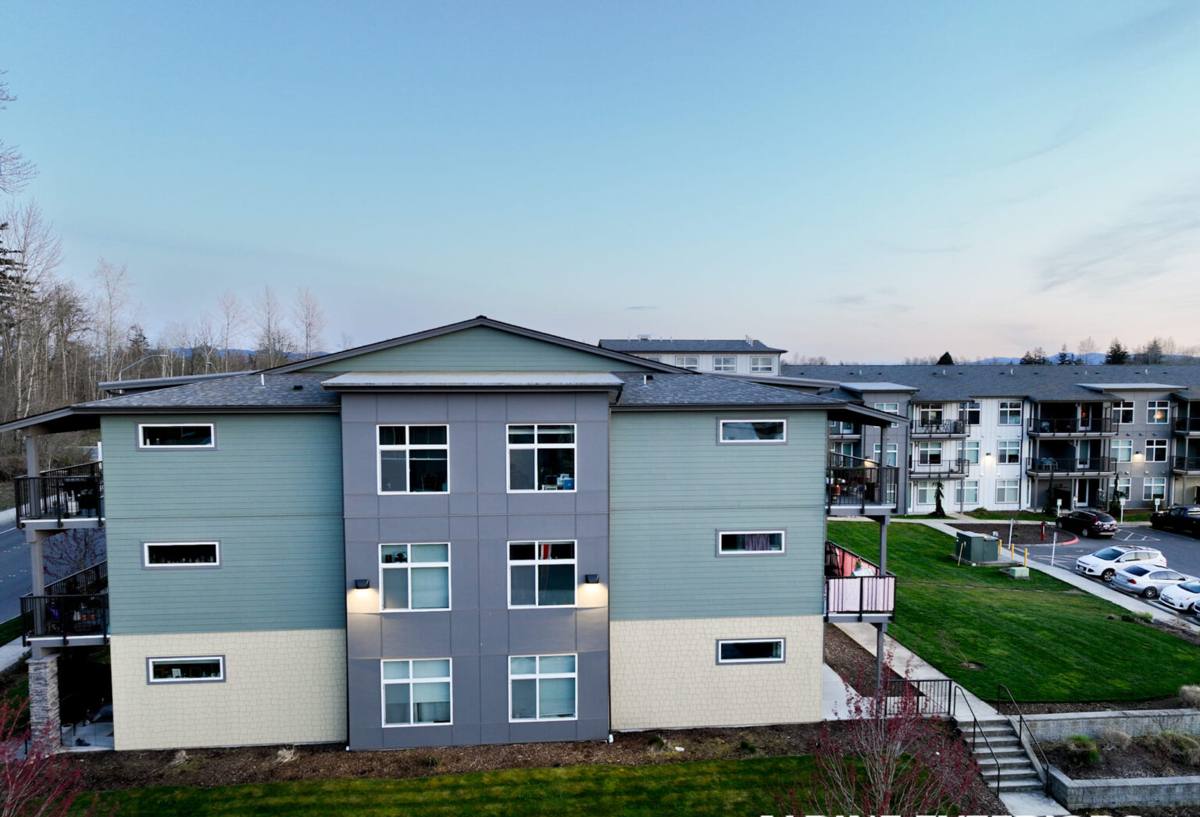
How Whatcom County Weather Wears Down Siding in Lynden
Driving Rain and Wind-Driven Moisture
Storms moving in off the Pacific don't just drop rain straight down — wind pushes it sideways into wall assemblies, especially around window and door openings, corners, and anywhere two roof planes meet a wall. Over years, siding and flashing details that were installed loosely or without proper laps let that water find its way behind the cladding. Once moisture gets behind siding, it doesn't dry out quickly in a climate this consistently damp, and that's when sheathing and framing start to suffer even though the siding itself may still look fine from the street.
The Long Moss Season
Whatcom County's moss and algae season is long by national standards — shaded siding, north walls, and areas under overhangs can stay damp for weeks at a stretch during fall and winter. Products that absorb moisture into their surface, or that rely on a paint film that thins out over time, give moss and mildew something to grip. Consistent moss growth isn't just cosmetic; it holds moisture against the wall surface longer than the material was designed to tolerate.
Salt Air — Present, Just Less Direct
Lynden's inland position means it doesn't take the same direct salt spray that shoreline communities near Birch Bay deal with day to day. That's a genuine advantage for siding longevity here. But airborne salt can still travel with strong coastal storm systems, and the bigger factor across all of Whatcom County — Lynden included — is simply moisture volume: rain, humidity, and fog cycles that keep exterior materials wet more often than dry for large parts of the year.
What a Correct Siding Installation Actually Involves
Water Management Comes First
Good siding installation starts before a single board goes up. That means a continuous weather-resistive barrier installed with proper laps, correctly flashed window and door openings, and a drainage plane that lets any moisture that does get behind the cladding find its way back out instead of sitting against the sheathing. Skipping or rushing this stage is the single biggest reason siding fails early in wet climates — and it's invisible once the siding is on, which is exactly why it has to be done right the first time.
Flashing and Transitions
The places where siding meets a roofline, a deck, a chimney, or a window are where water problems start. Correct step flashing, kick-out flashing at roof-to-wall intersections, and properly lapped house wrap at every penetration are non-negotiable details, not optional upgrades. A siding job can look excellent from the curb and still be failing at these transitions.
Fastening and Clearances
Fiber cement siding has manufacturer-specified nailing patterns, fastener types, and minimum clearances from grade, roof lines, and decks. Fastening it like standard lap siding, or tucking it too close to a roof or patio surface, traps moisture and voids the manufacturer's warranty. Correct clearances also give the material room to shed water instead of wicking it up from below.
| Installation Detail | Why It Matters in Lynden's Climate |
|---|---|
| Weather-resistive barrier with proper laps | Keeps wind-driven rain from reaching the sheathing during storm events |
| Flashed window and door openings | Prevents the most common source of hidden water intrusion |
| Correct fastener type and pattern | Holds siding through repeated wet-dry expansion cycles |
| Proper clearance from grade and roof lines | Lets moisture drain instead of wicking into the material |
| Factory-applied finish (not field-painted) | Resists the fading and moss-gripping texture that shortens repaint cycles |
Why We Install Only James Hardie Fiber Cement
We standardized on James Hardie fiber cement for every job we do, including here in Lynden, because it's non-combustible, dimensionally stable in a wet climate, and finished at the factory rather than relying on a field-applied paint job to hold up against years of rain and moss. Hardie's ColorPlus finish is baked on under controlled conditions, which gives it better fade and moisture resistance over time than site-applied paint on wood-based or fiber cement alternatives finished after installation. It also carries a strong, transferable warranty when installed to the manufacturer's specifications — which is exactly why we're strict about the installation details above.
We don't install vinyl, LP SmartSide, Cemplank, Allura, primed spruce, or cedar. Each of those products has legitimate uses elsewhere, but we've made a professional decision to put our crews' time and our warranty behind one system we trust to perform in this climate, rather than spreading that trust across several products with different moisture behaviors, maintenance schedules, and installation tolerances.
Our Installation Process, Start to Finish
- Site walk and assessment — we look at existing siding condition, moisture damage, trim, and any problem areas around windows, rooflines, and decks.
- Scope and estimate — a clear, written estimate covering material, labor, and any repair work the assessment turned up.
- Tear-off and substrate check — old siding comes off and sheathing gets inspected for rot or water damage before anything new goes on.
- Weather barrier and flashing — house wrap, window and door flashing, and roof-to-wall flashing installed correctly and in the right order.
- Hardie installation — siding installed to manufacturer fastening patterns and clearance specs, with attention to every transition and corner.
- Trim, caulking, and final detailing — the finish work that determines how clean the job looks and how well it sheds water long-term.
- Walkthrough — we go over the finished work with you before calling the job done.
Signs Your Lynden Home Needs New Siding
- Soft or spongy spots when you press on siding, especially near the bottom courses or under windows
- Persistent moss or dark streaking that comes back within weeks of cleaning
- Visible cracking, warping, or delamination in the existing siding material
- Paint that's peeling or bubbling rather than just fading
- Rising utility bills that suggest air and moisture are getting through the wall assembly
- Siding that's original to a home built more than 20-25 years ago with wood-based or vinyl products
Cost Factors for Siding Installation in Lynden
| Factor | How It Affects the Job |
|---|---|
| Home size and wall complexity | More corners, dormers, and transitions mean more flashing detail and labor time |
| Condition of existing sheathing | Rot or water damage found during tear-off adds repair scope before new siding goes on |
| Hardie product line and profile | Lap width, texture, and trim choices affect material cost |
| Access and site conditions | Landscaping, decks, and multi-story sections can affect labor and equipment needs |
| Existing trim and window flashing | Replacing or upgrading trim alongside siding is more efficient than doing it later |
We give exact numbers on-site after seeing the specific home, not before — broad ranges without an assessment aren't useful to you or accurate for us.
Why Hire a Crew That Already Works This Area
Whatcom County covers a lot of ground climatically — coastal exposure near Birch Bay, inland farm country around Lynden, and everything in between. A crew that works across this territory regularly knows how to read a given site: how much direct weather it takes, how the surrounding landscape affects drying time, and which details matter most on that particular wall orientation. That local pattern recognition shows up in the small decisions — flashing sequence, fastener choice, where to add extra attention around a north-facing wall — that separate a siding job that looks good on installation day from one that still looks good in fifteen years.
Caring for Your New Siding After Installation
Correctly installed Hardie siding is low-maintenance, not zero-maintenance. An annual rinse to clear moss spores and debris before they establish, prompt caulking touch-ups where movement or settling occurs, and keeping gutters clear so water isn't overflowing onto wall sections all go a long way. Because the ColorPlus finish is factory-applied, you're not on a repaint schedule the way you would be with a field-finished product — but keeping an eye on caulked joints and trim intersections each year is worth the ten minutes it takes.
If your Lynden home's siding is showing its age, or you're planning ahead rather than reacting to a problem, we're happy to take a look and put together a free, no-pressure estimate — no obligation, just a straight assessment of what your home actually needs.