 Birch Bay Siding
 Windows Built for the Terrell Creek Microclimate
Homes along Terrell Creek and the low-lying residential areas near Birch Bay sit in one of the more demanding window environments in Whatcom County. The combination of salt-laden air off the bay, wind-driven rain that comes in sideways more often than straight down, and a moss season that can stretch from fall through spring puts real stress on window frames, sealant joints, and glazing. A window that performs fine forty miles inland can fail early here if it wasn't installed with this specific microclimate in mind.
This page covers what window installation actually requires for Terrell Creek homes — not a generic overview, but the details that matter when a house sits close to the water and under tree cover in a marine climate.
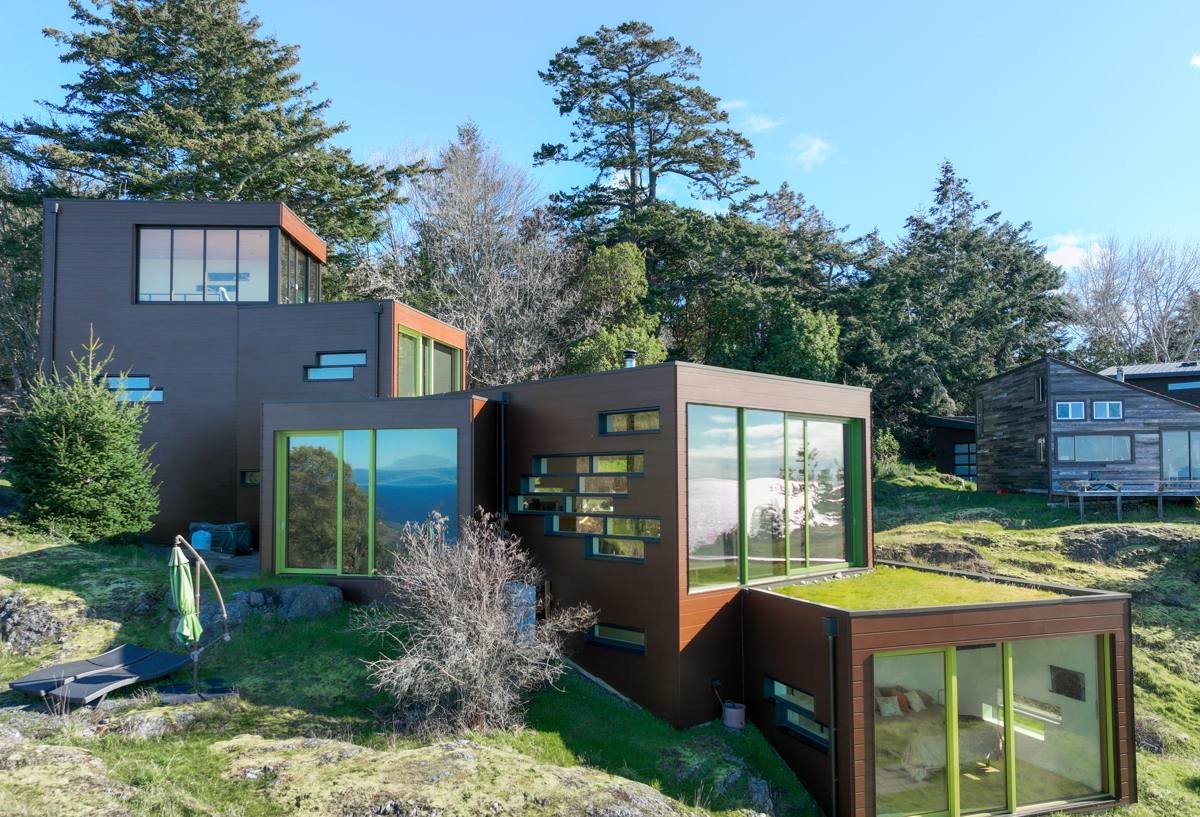
What Birch Bay's Climate Does to Windows Over Time
Salt Air and Metal Components
Salt air accelerates corrosion on anything metal — window hardware, screen frames, and especially lower-quality fasteners or cladding. Over years, this shows up as pitting on hinges and locks, discoloration on aluminum trim, and hardware that starts to bind or stick. It's not dramatic, but it's steady, and it's part of why hardware quality matters more here than it would on a house set back from the water.
Driving Rain and Wind Exposure
Birch Bay gets weather that comes off the water with real force behind it. Rain doesn't just fall on a window — it gets pushed into every gap, seam, and joint under wind pressure. If flashing, sill pans, or sealant were installed with any shortcuts, water finds its way in, usually slowly and invisibly, until it shows up as staining, soft trim, or a musty smell inside the wall cavity.
Moss, Shade, and Prolonged Moisture
The tree cover and creek-adjacent terrain around Terrell Creek keep a lot of homes shaded and damp for extended stretches of the year. Moss and algae don't just grow on roofs — they take hold on window sills, tracks, and exterior trim that stay wet longer than they should. That prolonged moisture is hard on wood components and on any sealant that wasn't rated for constant damp exposure.
Signs a Terrell Creek Home Needs New Windows
Because moisture problems here tend to develop slowly, homeowners often live with early warning signs for a while before addressing them. Watch for:
- Fogging or a persistent haze between panes on double- or triple-glazed windows — a sign the seal has failed
- Soft, discolored, or spongy trim and sills around the window frame
- Windows that are difficult to open, close, or lock, especially after seasonal humidity swings
- Visible gaps, drafts, or a noticeable temperature difference near the window even when it's closed
- Moss, black streaking, or algae buildup that keeps returning on sills or tracks no matter how often it's cleaned
- Rising heating bills without any other clear explanation
- Condensation forming on interior frames or nearby walls during cold, damp stretches
Any one of these on its own isn't necessarily urgent. Several at once, especially on the sides of the house that face the bay or take the most weather, usually means it's time for a real inspection rather than another round of caulk.
What a Correct Window Installation Actually Involves
Window installation looks simple from the outside — pull the old unit, set the new one, trim it out. In a climate like this, the steps that don't show are the ones that determine whether the window lasts. A proper installation includes:
Opening Preparation
Before a new window goes in, the rough opening needs to be checked for existing water damage, rot, or compromised framing. Installing a new window into a damaged opening just seals the problem inside the wall.
Flashing and Sill Pans
A correctly flashed opening directs any water that gets past the window itself back out, not into the wall cavity. A sloped sill pan and properly lapped flashing (so each layer sheds water over the one below it) are non-negotiable in a wind-driven-rain environment — this is the single most common shortcut we see on older or improperly done installations in this area.
Air and Moisture Barrier Continuity
The window's flashing has to tie into the home's existing weather-resistive barrier as a continuous system. A gap or overlap done backward creates a direct path for water, even if the window itself is high quality.
Shimming, Leveling, and Fastening
A window that isn't shimmed correctly will bind, won't seal evenly, and puts uneven stress on the frame — which shows up later as operational problems even if it looks fine on install day.
Sealant Selection and Application
Not all sealants hold up to constant marine moisture and UV exposure. We use sealants rated for this kind of long-term coastal exposure, applied in the right locations — not just a bead around the exterior trim, which is where a lot of lower-effort jobs stop.
Interior and Exterior Trim
Trim gets finished so it sheds water rather than holding it against the frame, which matters more here given how long surfaces stay damp during moss season.
Choosing the Right Window Material for This Environment
Material choice matters more in a coastal, shaded, moisture-heavy environment than it does in drier parts of the county. Here's how the common options generally hold up:
| Material | Coastal/Moisture Performance | Maintenance | Trade-offs |
|---|---|---|---|
| Vinyl | Good — won't corrode or rot, handles moisture well | Low | Frame color/finish options are more limited; quality varies a lot by manufacturer |
| Fiberglass | Very good — dimensionally stable, resists warping and moisture damage | Low | Higher upfront cost than vinyl |
| Aluminum-clad wood | Good exterior protection, but any breach in the cladding exposes wood underneath | Moderate | More installation-sensitive; a small cladding gap can trap moisture against wood |
| Bare wood | Poor in this specific microclimate without diligent upkeep | High | Requires regular refinishing to resist rot in a damp, shaded setting |
| Standard aluminum (uncoated) | Fair to poor near salt air — prone to corrosion and condensation | Moderate | Generally not our recommendation for homes this close to the bay |
For most Terrell Creek homes, we steer homeowners toward vinyl or fiberglass frames for the areas of the house most exposed to weather off the bay, and we're upfront when a wood or clad-wood look is worth the added maintenance commitment versus when it isn't a good fit for a shaded, damp lot.
Glass and Glazing Choices That Make Sense Here
Beyond the frame, the glass package affects both comfort and long-term performance:
- Double-pane, low-E glass is the practical standard for most homes here — it balances cost, insulation, and condensation resistance well.
- Triple-pane is worth considering on north- or water-facing walls that take the brunt of wind and cold, where the extra insulation and sound dampening pay off.
- Argon or krypton gas fills improve insulating performance but rely on an intact seal — which is exactly why correct installation and quality manufacturing matter more than the gas fill spec on its own.
- Condensation-resistant spacers (as opposed to older metal spacer bars) reduce the chance of interior fogging and cold spots at the glass edge, which is a common complaint in humid, shaded homes.
Our Process, Start to Finish
We keep the process straightforward and communicate at each step so there are no surprises:
- On-site assessment — we look at existing windows, framing condition, and how each side of the house is exposed to weather and shade.
- Honest recommendation — which windows need replacing now, which can wait, and what material and glazing make sense for that specific opening.
- Written estimate — clear pricing with no vague allowances, so you know what you're approving.
- Opening prep and inspection — any hidden rot or damage gets flagged before we proceed, not discovered as a surprise change order.
- Installation — proper flashing, sill pans, air-barrier tie-in, shimming, and sealant done to hold up to this specific climate.
- Final walkthrough — every window operates smoothly, seals correctly, and is cleaned up before we consider the job done.
Why It Matters to Hire a Crew That Already Works Terrell Creek
Window installation isn't the same job everywhere in Whatcom County. A crew that mostly works drier, inland areas may not think twice about flashing details or sealant selection that are genuinely optional there but essential on a home taking direct weather off Birch Bay. Working this area regularly means we already know which sides of a house tend to take the worst of the wind-driven rain, how shaded, creek-adjacent lots hold moisture longer, and which materials actually hold up here versus which ones look fine on a spec sheet but struggle in practice.
It also means we're familiar with the permitting expectations in Whatcom County and can plan a job that meets code without turning a window replacement into a bureaucratic headache.
Keeping New Windows Performing Through Moss Season
A correct installation is most of the job, but a little homeowner upkeep extends the life of any window in this environment:
- Clear debris and moss from tracks and weep holes a couple of times a year so water can drain as designed
- Rinse salt residue off exterior frames periodically, especially on sides facing the bay
- Check and re-caulk interior and exterior trim if you notice cracking or gaps developing
- Keep nearby vegetation trimmed back so windows and sills get some airflow and sun exposure rather than staying shaded and damp constantly
None of this is complicated, but skipping it is how a well-installed window ends up with avoidable moss buildup or a stuck sash a few years down the road.
Get a Straight Answer on Your Windows
If you're dealing with drafty, foggy, or sticking windows in your Terrell Creek home, or you're just not sure whether repair or replacement makes sense, we're happy to take a look and give you a straight, no-pressure assessment. Fill out the form below for a free estimate — we'll tell you what we'd actually recommend for your home's exposure and condition, not just try to sell you the biggest job possible.