 Birch Bay Siding
 Asphalt Shingle Roofing Built for California Creek's Weather
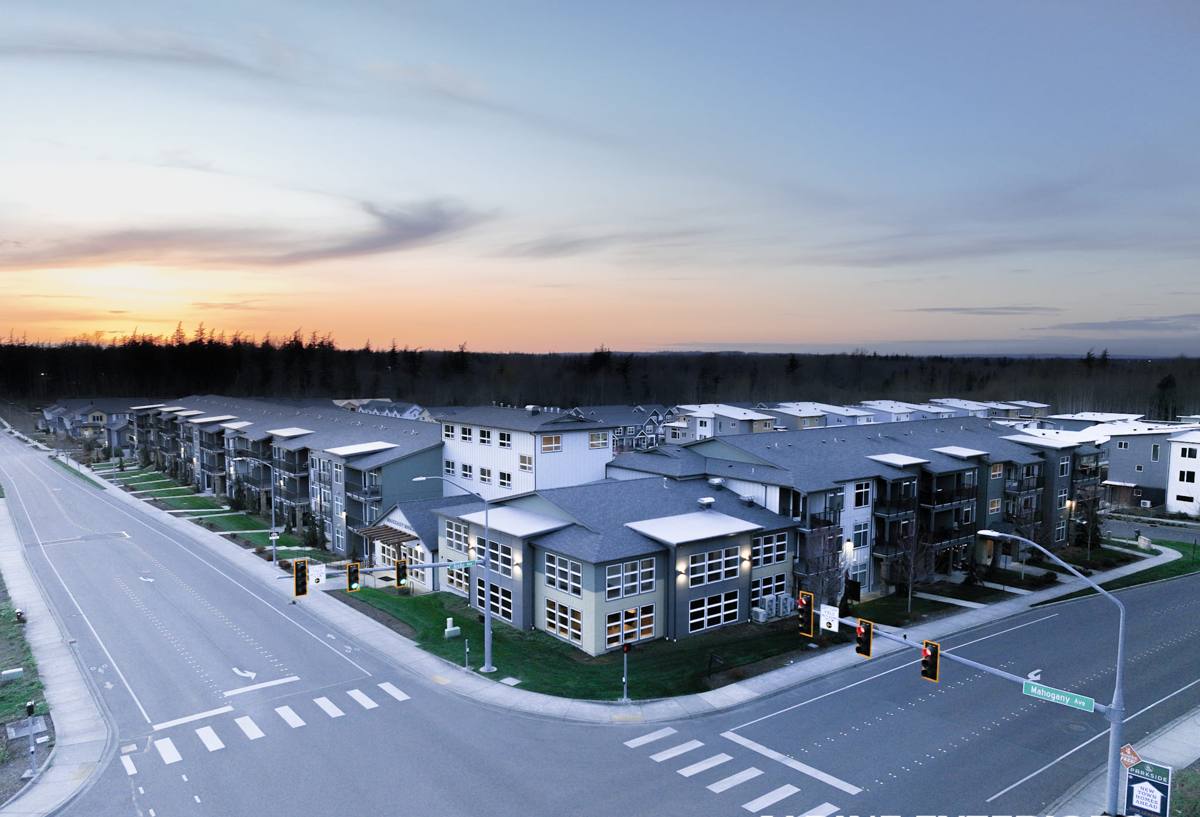
California Creek sits close enough to the water that homes here take a different kind of beating than roofs just a few miles inland. Salt-laden air off the Strait works its way into fasteners and metal flashing year-round. Driving rain off Birch Bay pushes water sideways under poorly lapped shingles instead of just running off them. And the long, damp shoulder seasons in Whatcom County give moss and moisture months at a time to sit on a roof and do their slow damage. A roof that would hold up fine in a drier, inland climate can fail early out here if it wasn't built with these conditions in mind.
We're a Birch Bay-based crew, and California Creek is roofing we do regularly, not roofing we drive in for once and never see again. That matters more than it sounds like it should — the difference between a roof that lasts its full expected life and one that needs premature repairs usually comes down to details that only show up when a crew has installed and later re-visited roofs in the same conditions.
What This Climate Actually Does to a Shingle Roof
Salt Air and Corrosion
Homes within a mile or two of Birch Bay's shoreline see accelerated corrosion on anything metal — nail heads, flashing, vent stacks, gutter hardware. Standard electro-galvanized fasteners can start showing rust streaks on the shingle surface well before the shingles themselves are worn out. It's a cosmetic problem at first and a leak path later, once corrosion eats through the fastener or the flashing seam it's holding down.
Wind-Driven Rain
Birch Bay gets rain that doesn't fall straight down. Storms off the water push moisture sideways and up under shingle edges, ridge caps, and anywhere two roof planes meet. A roofing system that relies only on the shingles' natural overlap — without proper underlayment coverage and sealed transitions — will eventually let water in at exactly those spots, usually valleys, ridge lines, and anywhere a chimney, skylight, or vent penetrates the roof deck.
Moss and Prolonged Moisture
Whatcom County's shaded, tree-covered lots combined with a long wet season give moss ideal growing conditions on north-facing and shaded roof slopes. Moss isn't just an appearance issue — it holds moisture against the shingle surface long after the rest of the roof has dried, which accelerates granule loss and can lift shingle edges over time, giving wind and rain a place to start working their way underneath.
What a Correctly Built Roof Looks Like Out Here
None of this means asphalt shingles are the wrong choice for California Creek — they're a proven, cost-effective roofing material used successfully in coastal Pacific Northwest climates all the time. It means the installation details matter more here than they would somewhere dry and inland. A correctly built roof in this area should include:
- Corrosion-resistant fasteners and flashing rated for coastal/marine exposure, not standard inland-grade hardware
- Full synthetic underlayment coverage, not just felt paper in the field with reliance on shingles alone for water resistance
- Ice-and-water shield or equivalent self-adhering membrane at eaves, valleys, and around every penetration
- Properly lapped and step-flashed transitions at chimneys, walls, and skylights — not caulk used as a substitute for correct flashing
- Balanced ridge and soffit ventilation, so moisture doesn't get trapped in the attic and work its way back up through the deck
- A shingle product with a warranty structure that actually accounts for algae and moss growth in high-moisture climates
Skip any one of these and the roof might still look fine for a few years. The failures we get called out to repair almost always trace back to one of these details being shortcut at install, not to the shingles themselves wearing out early.
Our Process for a California Creek Roof
1. On-Site Assessment
We walk the roof and the attic, not just the roof. Attic ventilation, existing moisture staining, deck condition, and the state of current flashing all tell us more about what a roof actually needs than a look from the ground does. For homes closer to the water, we pay particular attention to existing metal hardware condition and moss coverage on shaded slopes.
2. Tear-Off and Deck Inspection
Full tear-off gives us a look at the roof deck itself. Any soft, rotted, or delaminated sheathing gets identified and replaced before new material goes down — installing new shingles over a compromised deck just hides a problem instead of fixing it.
3. Underlayment and Flashing
This is where the coastal-specific work happens: self-adhering membrane at vulnerable areas, full underlayment coverage, and new step and valley flashing sized and lapped correctly for wind-driven rain rather than just vertical runoff.
4. Shingle Installation
Shingles go down to manufacturer specification for nailing pattern, exposure, and fastener count — specs that exist for a reason and get skipped more often than homeowners realize on rushed jobs. We use corrosion-resistant fasteners throughout, not just at the most exposed areas.
5. Ventilation Check and Final Walkthrough
We confirm intake and exhaust ventilation are balanced before calling the job done, and we walk the finished roof with the homeowner so they know what was done and what routine maintenance, if any, we'd recommend going forward.
Choosing Shingles for This Climate
Not every asphalt shingle product is built the same way, and for a property near Birch Bay's shoreline, a few factors matter more than they would inland:
| Factor | Why It Matters in California Creek |
|---|---|
| Algae/moss-resistant granules | Copper- or zinc-infused granules slow moss and algae growth on shaded, damp slopes — a real factor here, not a marketing add-on |
| Wind rating | Coastal exposure means real wind uplift risk; a shingle's rated wind resistance should match local exposure, not just the manufacturer's baseline rating |
| Sealant strip performance | The adhesive strip that bonds each shingle down needs to seal reliably in cool, damp conditions, not just in warm dry weather |
| Warranty structure | Some warranties are prorated or exclude algae/moss staining — worth reading before assuming full coverage applies |
We'll walk through the specific product options that make sense for your roof's exposure, slope, and budget during the estimate — there's rarely one single "best" shingle, just the right fit for the conditions and the homeowner's priorities.
Maintenance That Actually Extends Roof Life Here
A shingle roof in this climate isn't maintenance-free, even when it's installed correctly. A short list of things that genuinely make a difference over the roof's lifespan:
- Keep gutters clear — clogged gutters back water up under the lowest course of shingles
- Trim back overhanging branches to reduce shade, debris, and moss pressure on the roof
- Have moss treated or gently removed before it spreads across a full slope, rather than after
- Check attic ventilation isn't blocked by insulation, especially after any attic work
- Have flashing and fastener condition checked periodically, particularly on homes within a mile or two of the water
None of this requires a contractor visit every year — it's mostly homeowner-level upkeep. But knowing what to watch for is the difference between catching a small issue early and discovering it as a ceiling stain.
Cost Factors for a California Creek Re-Roof
Every roof is priced on its own specifics, but the factors that most commonly move the number for homes in this area are:
| Factor | Impact |
|---|---|
| Roof size and pitch | Steeper roofs take longer to work safely and use more material per square |
| Number of penetrations | Chimneys, skylights, and vents each need individual flashing work |
| Deck condition | Rotted sheathing found at tear-off adds material and labor to replace |
| Shingle tier selected | Standard three-tab, architectural, and premium/designer shingles carry different material costs |
| Access and site conditions | Tree cover, steep lots, and limited staging area can add time |
We give a written, itemized estimate before any work starts, so there's no guessing about what's included or what a change would cost.
Why a Local Crew Makes a Difference Here
Roofing crews that don't regularly work coastal Whatcom County conditions can install a shingle roof that's technically fine and still not right for California Creek — using inland-grade fasteners, skipping extra membrane at vulnerable areas, or not accounting for how shaded, moisture-heavy this area stays for months at a time. We're not guessing at what this climate does to a roof; we see it repeatedly, on repairs as well as new installs, which shapes how we build every roof from the start.
Being based in Birch Bay also means we're available for warranty follow-up or questions after the job without a long drive being part of the equation, and we're familiar with what local permitting and inspection expects for reroofing work in the area.
Get a Free Estimate for Your California Creek Roof
If your roof is showing granule loss, moss buildup, or you're just planning ahead, we're happy to take a look and give you an honest read on what condition it's in and what it would take to do the job right. There's no pressure and no obligation — just a straightforward assessment from a crew that already works in your area. Use the form below to request your free estimate.