 Birch Bay Siding
 Window Replacement for Bellingham, Built Around Whatcom County Weather
Bellingham sits on the same stretch of Northwest Washington coastline that makes window replacement here a different job than it is inland. Salt-laden air off the water, long stretches of driving rain, and a moss season that can run most of the year all work on window frames, seals, and trim in ways that a general "swap the glass" approach doesn't account for. We're a Birch Bay-based crew that works this coastline regularly, and this page is about what Bellingham homeowners actually need to know before replacing windows here — not a generic rundown of window types.
Whatcom County's marine climate means windows are rarely dealing with just one stressor. They're absorbing moisture from persistent rain, dealing with salt air that accelerates corrosion on hardware and fasteners, and sitting in shaded, damp conditions that let moss and mildew get a foothold on sills and exterior trim. A window replacement done without that context in mind — wrong frame material, sloppy flashing, caulk used as a substitute for real weatherproofing — tends to fail early, and the failure usually shows up as water intrusion, not just fogged glass.
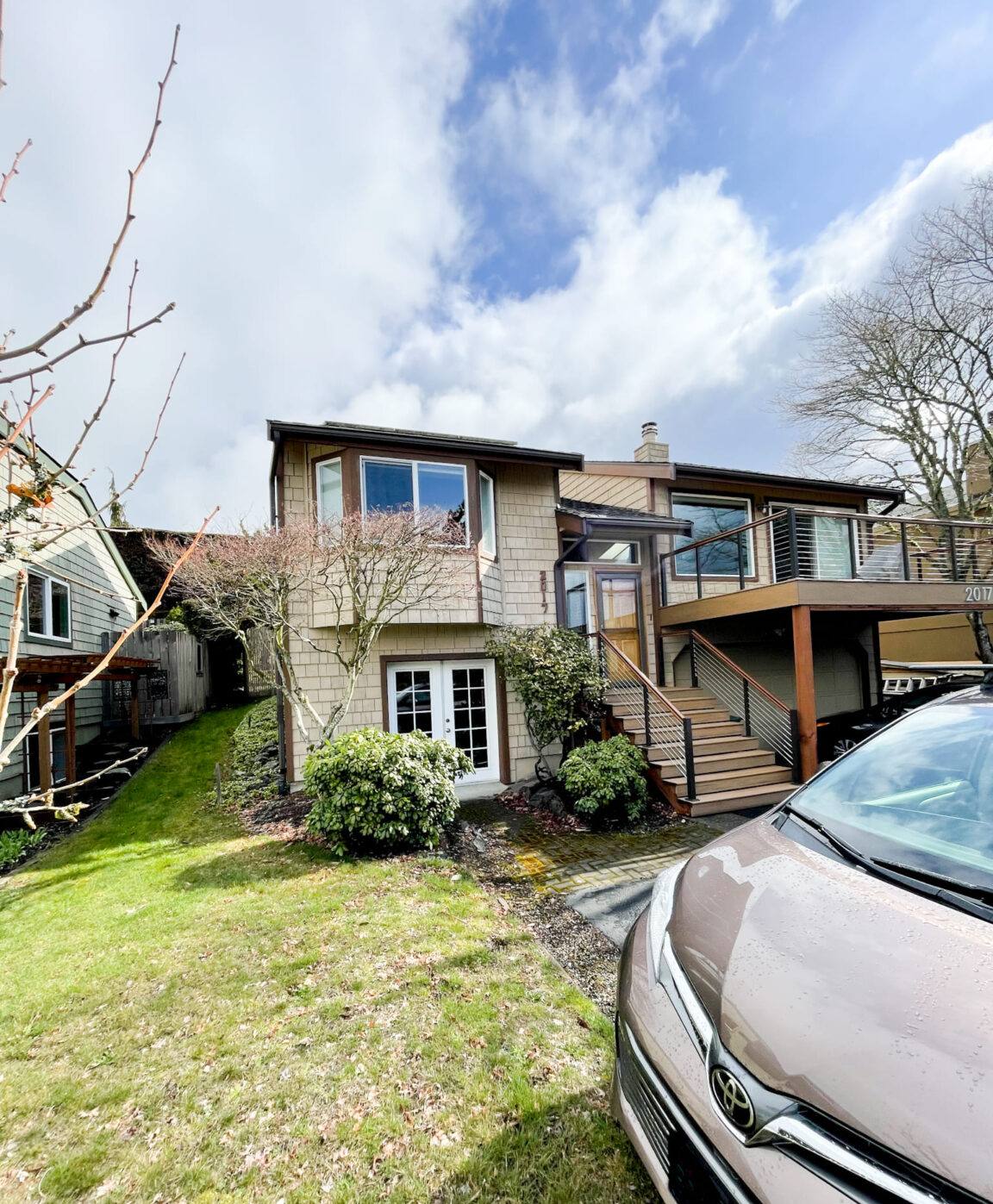
Signs Bellingham Windows Are Overdue for Replacement
Most homeowners don't replace windows on a schedule — they replace them when something starts going wrong. In this climate, the warning signs tend to show up earlier than in drier parts of the state.
- Fogging or a visible haze between panes, which means the seal on a double- or triple-pane unit has failed and the gas fill (or dead air space) is gone
- Soft, discolored, or spongy wood on the sill or lower frame — usually a sign moisture has been sitting there long enough to start rot
- Visible moss or dark streaking on the exterior trim around the window, especially on north- and west-facing walls that get less direct sun
- Drafts you can feel near the frame even with the window fully latched
- Windows that are difficult to open, close, or lock — often a sign the frame has swelled, warped, or shifted
- A noticeable jump in heating costs without any other obvious cause
Any one of these on its own might just mean a repair. Several of them together, especially combined with visible wood damage, usually means the window and its surrounding flashing need to come out and be replaced correctly.
What a Correct Window Replacement Job Involves
Setting a new window into an existing rough opening looks simple from the outside, but the difference between a window that lasts fifteen years and one that fails in five almost always comes down to what happens before and around the glass — not the glass itself.
The Opening Has to Be Right First
Before a new window goes in, the old unit comes out and the rough opening gets inspected for rot, soft framing, or water staining. In a climate like ours, it's common to find some degree of moisture damage around older windows, particularly on walls that take the brunt of driving rain. Any compromised wood needs to be cut out and replaced — installing a new window into a damaged opening just repeats the same failure on a faster timeline.
Flashing and Drainage Come Before Caulk
Caulk is a finishing touch, not a waterproofing system. A correct install uses proper window flashing tape and a drainage path so that any water that does get behind the trim has somewhere to go instead of sitting against the frame. This step matters more here than almost anywhere else in the state, because Bellingham's rain isn't occasional — it's sustained, wind-driven, and repeated for months at a time.
Air Sealing and Insulation
The gap between the new window frame and the rough opening needs to be sealed and insulated correctly — not overpacked with expanding foam that can bow the frame, and not left with gaps that undercut the window's own energy performance. This is also where a lot of the draft and comfort improvement homeowners notice actually comes from.
Exterior Trim and Finish
The exterior trim gets reset or replaced, caulked at the joints, and finished so water sheds away from the window rather than pooling at the corners — the spots where we most often see moss and rot start on older installations.
Choosing a Frame Material for a Salt Air, High-Moisture Climate
There's no single "best" window material for every home — it depends on your home's exposure, your budget, and how much upkeep you want to take on. Here's how the common options actually perform in Bellingham's conditions.
| Frame Material | Moisture / Salt Air Behavior | Maintenance | General Notes |
|---|---|---|---|
| Vinyl | Doesn't rot or corrode; performs well in salt air and rain | Low — occasional cleaning | Most common choice for coastal Whatcom County homes on a value basis |
| Fiberglass | Very stable in moisture and temperature swings; strong resistance to warping | Low | Higher upfront cost, longer expected service life |
| Aluminum | Corrosion resistance varies by finish; can conduct cold and cause condensation | Moderate | Usually reserved for specific architectural or commercial-style applications |
| Wood | Attractive but vulnerable to rot without diligent upkeep in sustained wet weather | High — regular painting/sealing required | We're candid with clients about the maintenance commitment this climate demands |
| Wood-clad (wood interior, composite exterior) | Exterior shell resists moisture better than solid wood; interior still wood | Low exterior, moderate interior | A middle ground for homeowners who want a wood look inside |
We don't push one material on every job. What we will tell you honestly is that in a climate with this much sustained moisture and salt exposure, low-maintenance frame materials tend to hold up with fewer callbacks over the long run — and we'll walk through the trade-offs with your specific home before you decide.
Single, Double, or Triple Pane
Most replacement work in this area uses double-pane, dual-glazed units with a low-E coating and argon fill — a solid balance of energy performance and cost for our climate. Triple-pane glass adds further insulation and sound dampening but comes at a higher cost and added weight on the frame and hardware; it's worth discussing if a room has an unusual noise or exposure issue, but it isn't a default recommendation for every window on a Bellingham home.
Our Process, Start to Finish
- Walkthrough and estimate. We look at each window from both sides — frame condition, trim, sill, and signs of past water intrusion — and give you a written, itemized estimate.
- Product selection. We go over frame material, glass package, and style options based on your home's exposure and your budget, without steering you toward the most expensive option by default.
- Scheduling. We plan around the weather window where possible, since openings are exposed during install — this is a real scheduling factor here, not a formality.
- Removal and opening inspection. Old windows come out, and we check the framing for rot or moisture damage before anything new goes in.
- Install. Flashing, drainage path, air sealing, and the new window unit, set and shimmed to sit level and square.
- Exterior finish. Trim, caulking, and touch-up so the finished opening sheds water correctly.
- Walkthrough and cleanup. We check operation on every window with you and clear the job site before we leave.
What Affects Window Replacement Cost
We don't publish flat per-window pricing because the real cost drivers vary a lot from house to house — but these are the factors that typically move the number up or down.
| Factor | Effect on Cost |
|---|---|
| Frame material chosen | Vinyl is generally the most budget-friendly; fiberglass and wood-clad run higher |
| Window size and style | Larger units, custom shapes, and multi-pane grid patterns cost more than standard sizes |
| Existing rot or framing damage | Repair work at the rough opening adds cost but is not optional if damage is present |
| Number of windows replaced at once | Whole-house or multi-window projects typically bring a better per-unit cost than one-off replacements |
| Glass package | Upgrading from standard double-pane to specialty coatings or triple-pane adds cost |
| Access and height | Second-story or hard-to-access windows can add labor time |
The only way to get an accurate number is a walkthrough of the actual windows — anything quoted sight-unseen should be treated as a rough placeholder, not a real estimate.
Why Working With a Crew That Already Serves Bellingham Matters
A window replacement crew that regularly works the Bellingham and greater Whatcom County coastline has already seen how homes in this specific weather pattern hold up over time — which walls take the worst of the driving rain, where moss tends to establish first, and which older installation habits cause problems years later. That's practical, repeated experience, not a sales pitch. It shows up in decisions like how flashing is layered, how much drainage margin is built in, and which frame materials we're comfortable standing behind for a given exposure.
It also means straightforward logistics — a crew based nearby in Birch Bay isn't juggling long drive times or split attention across distant service areas, and callbacks or warranty follow-ups don't turn into a scheduling headache.
Keeping New Windows Performing in This Climate
A correct install is most of the work, but a little homeowner maintenance extends the life of any window in a wet, salt-air environment.
- Rinse exterior frames periodically to clear salt residue and grime, especially on windows facing prevailing weather
- Keep gutters and downspouts clear so runoff isn't sheeting directly down over window trim
- Check and refresh exterior caulking at trim joints every year or two, since it's the first line of defense and the cheapest thing to maintain
- Trim back vegetation that shades windows and keeps trim damp longer than it needs to be, which encourages moss growth
- Operate locks and hardware a few times a year even on windows you rarely open, so mechanisms don't seize
Get a Straight Answer for Your Bellingham Home
If you're dealing with drafty, foggy, or hard-to-operate windows, or you're just planning ahead before the wet season sets in, we're happy to take a look and give you an honest read on what your windows actually need — not an upsell. Fill out the form below for a free, no-pressure estimate from a crew that already works this stretch of Whatcom County.