 Birch Bay Siding
 Deck Replacement in Blaine: Built for Whatcom County's Coastline
Blaine sits close enough to the water that every deck in town takes a version of the same beating: salt-laden air off the Strait, driving rain that comes in sideways more often than straight down, and a moss season that can stretch from October into May. A deck that was built to a generic spec, or one that's simply aged out after fifteen or twenty years of that exposure, usually isn't a candidate for patching. At some point the honest answer is a full replacement, done with materials and details that actually match the conditions here rather than a one-size-fits-all approach shipped in from a drier climate.
This page covers what we look at when we replace a deck for a Blaine homeowner, why the details matter more here than in most parts of the country, and what our process looks like from first look to final walkthrough.
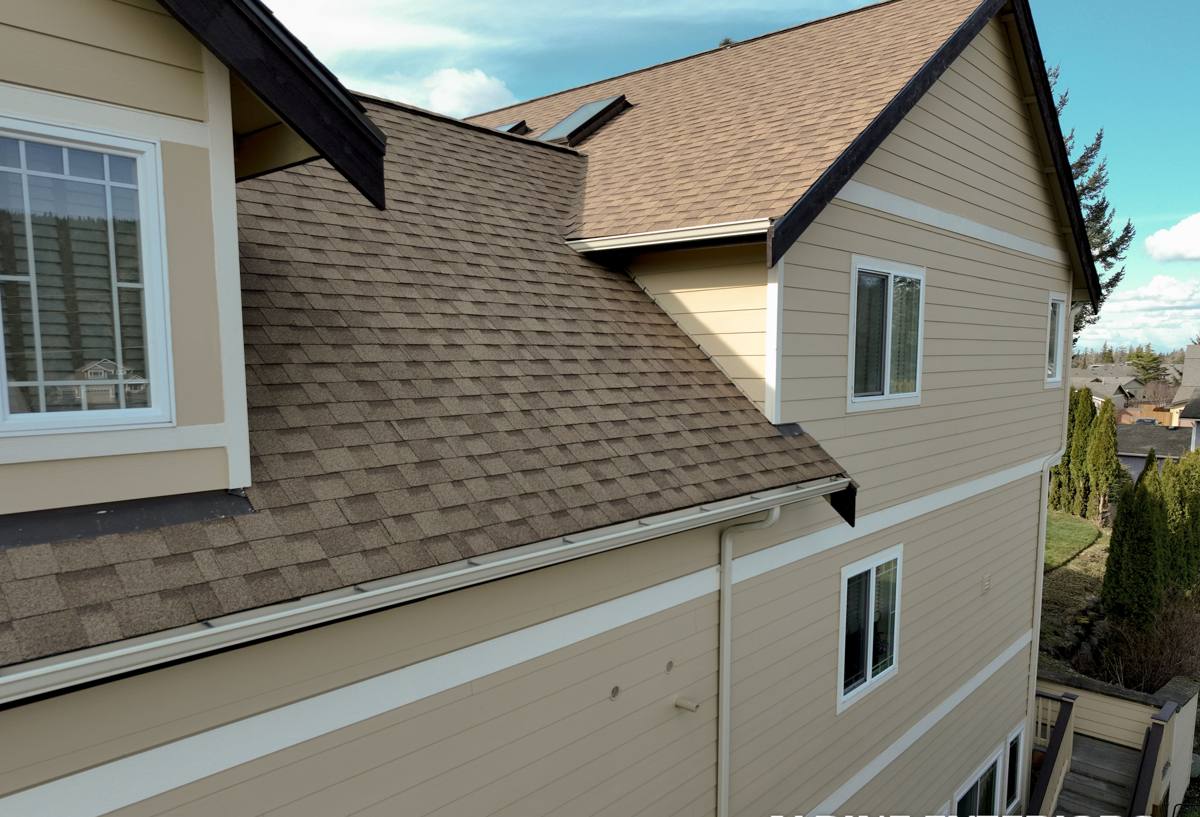
Why Decks Near Blaine Fail Faster Than the Brochure Says
Manufacturers publish lifespan numbers based on lab testing or averaged national data. Those numbers assume moderate humidity, moderate salt exposure, and a moss-free environment. None of that describes Blaine. A few specific stressors show up over and over when we're evaluating a deck for replacement instead of repair:
- Salt air corrosion: Coastal air carries fine salt particles that accelerate corrosion on fasteners, joist hangers, and any exposed metal hardware — often years before the visible decking shows real wear.
- Moisture that never fully leaves: Long stretches of overcast, drizzly weather mean wood-framed structures rarely get a full dry-out period between rain events, which keeps end grain, ledger boards, and joist tops damp for months at a time.
- Moss and algae growth: Shaded or north-facing decks especially can hold moss through most of the wet season. Moss retains moisture against the deck surface and framing, and it makes boards slick and dangerous underfoot.
- UV and wind-driven rain combined: Summers bring enough UV to dry out and check unprotected wood, while the rest of the year brings rain that's frequently blown horizontally by wind off the water — so vertical surfaces and undersides that "shouldn't" get wet, do.
Individually, none of these are unusual. Combined, and sustained over years, they're why we see structural issues — soft ledger connections, corroded hardware, rotted joists — on decks that still look fine from a distance.
Signs a Deck Needs Replacement, Not Repair
Not every aging deck needs to come out. Here's how we tell the difference during an inspection:
- Soft or spongy spots when walking the surface, especially near the house or stair landings
- Visible gaps, rust streaks, or cracking around fasteners and joist hangers
- A ledger board that shows separation, staining, or softness where it meets the house
- Persistent moss or algae that returns within weeks of cleaning
- Railings or posts that flex or feel loose under normal pressure
- Boards cupping, splitting, or delaminating (common on older composite generations)
One or two of these on an otherwise sound deck might mean targeted repair. Several together, or any structural sign at the ledger or framing level, usually means it's time to start over with a design built for how this deck actually gets used and exposed.
What a Correct Deck Replacement Looks Like Here
A deck built for Blaine's climate isn't dramatically different in appearance from a deck built anywhere else — the difference is in details that don't show up in a listing photo but decide whether the deck is still solid in fifteen years.
Framing and Fasteners
We frame with pressure-treated lumber rated for ground contact where it's called for, and we use stainless steel or heavy-duty coated fasteners and hardware throughout — not because code requires the upgrade everywhere, but because standard galvanized hardware corrodes noticeably faster this close to salt air. Joist hangers, ledger bolts, and structural screws are the parts of a deck nobody sees again after the boards go down, which is exactly why they're worth getting right the first time.
Ledger Attachment and Flashing
The ledger board — where the deck attaches to the house — is the single most common failure point we find on old decks in this area, because it's also the hardest spot for water to fully drain away from. Correct flashing (proper ledger flashing integrated with the house's existing water barrier, not just caulk over the top) is non-negotiable on every replacement we do. Skipping or shortcutting this step is the single fastest way to end up rebuilding the same deck again in ten years.
Decking Material Choice
There's no universally "best" decking material — there are trade-offs, and the right call depends on budget, maintenance appetite, and how much sun or shade the deck gets.
| Material | Upfront Cost | Maintenance | How It Handles This Climate |
|---|---|---|---|
| Pressure-treated wood | Lowest | Annual cleaning, periodic sealing | Affordable and repairable, but needs consistent upkeep to resist moisture and moss in shaded areas |
| Cedar | Moderate | Sealing every 1-2 years | Naturally rot-resistant and handles moisture well, but still needs upkeep to hold its color and resist moss |
| Composite decking | Higher | Occasional washing, no sealing | Resists moisture and moss buildup better than wood; quality varies significantly by product line and installation care |
| PVC/capped polymer | Highest | Minimal — soap and water | Best moisture and moss resistance of the common options; higher upfront investment |
We'll walk through these options honestly, including what each one actually costs to own over time, not just to install. Whatever material a homeowner chooses, our standard is the same underneath: correct spacing for drainage, proper fastening for wind exposure, and framing that won't undercut a good decking choice with a bad foundation.
Drainage and Airflow Under the Deck
Standing water and trapped moisture under a low deck are a direct path to premature rot, and they're a major contributor to moss creeping up from underneath. On replacements, we grade and detail the substructure so water has somewhere to go, and we avoid designs that trap moisture against framing members with no airflow.
Our Deck Replacement Process
- On-site evaluation: We inspect the existing deck's framing, ledger connection, and hardware condition to confirm replacement (versus repair) is the right call, and to understand what's driving the wear.
- Design and material selection: We go over layout, railing style, and decking material options against your budget and how you actually use the space — full sun entertaining area, shaded morning-coffee spot, stairs to a yard, etc.
- Permitting: Deck replacements of most sizes require a permit; we handle that process rather than leaving it to the homeowner.
- Demolition and disposal: Full removal of the old structure, including any hardware or framing that's corroded or compromised, hauled off the site.
- Framing and flashing: New framing, corrosion-resistant hardware, and properly integrated ledger flashing — the structural work that doesn't show but matters most.
- Decking, railing, and finish work: Installation of the chosen decking material and railing system, with attention to fastening patterns and spacing appropriate to the material and our climate.
- Final walkthrough: We go over the finished deck together, including any maintenance schedule the material calls for, before considering the job done.
Maintenance That Actually Matters Here
Whatever material goes down, a few habits go a long way toward getting full value out of the investment in this climate:
- Clean moss and algae off the surface (and railings, in shaded spots) at least once a year, before it has a chance to establish
- Keep gutters and downspouts near the deck clear so runoff isn't dumping directly onto the structure
- For wood decks, reseal on the schedule the product calls for — don't wait until it's visibly gray and dry
- Check railings and stair connections annually for looseness, especially after winter storms
- Keep planters and furniture feet from sitting directly on boards for months at a time without moving them, which traps moisture underneath
Why Hire a Crew That Already Works This Area
A contractor who mostly builds decks somewhere drier will default to specs that work fine in that climate and fall short here — standard hardware instead of corrosion-resistant, flashing details that skip a step, or decking spacing that doesn't account for how much rain this area actually sees. We work on homes across Birch Bay and Whatcom County regularly, so the salt air, the rain patterns, and the moss cycle aren't unknowns we're solving for the first time on your project — they're standard conditions we plan for from the first conversation.
That local familiarity also means we're not guessing at permitting requirements or what inspectors in this jurisdiction expect to see on ledger flashing and structural connections. It's the difference between a deck that's built to pass and a deck that's built to last.
Get an Estimate for Your Blaine Deck Replacement
If your deck is showing soft spots, persistent moss, corroded hardware, or you're just tired of chasing repairs on a structure that's past its useful life, we're happy to take a look and give you a straight assessment — repair, or replace, and what either one actually involves. Reach out for a free, no-pressure estimate using the form below.