 Birch Bay Siding
 Why Window Replacement Works Differently in Blaine
Blaine sits close enough to the water that salt-laden air, wind-driven rain, and long stretches of damp, mossy weather are just part of owning a home here. Windows take the brunt of that exposure more than almost any other part of the exterior. They're full of seams, joints, and moving parts, and every one of those is a potential entry point for moisture if the unit or the installation isn't right for this climate. A window that performs fine in a drier inland town can fail early in Blaine if it wasn't built or installed with our conditions in mind.
Birch Bay Siding Company works window replacement projects throughout the Birch Bay and Blaine area regularly, not as an occasional add-on to siding work. That matters, because window failures we see out here tend to follow the same patterns tied directly to our weather, and knowing those patterns ahead of time changes how a job should be planned and installed.
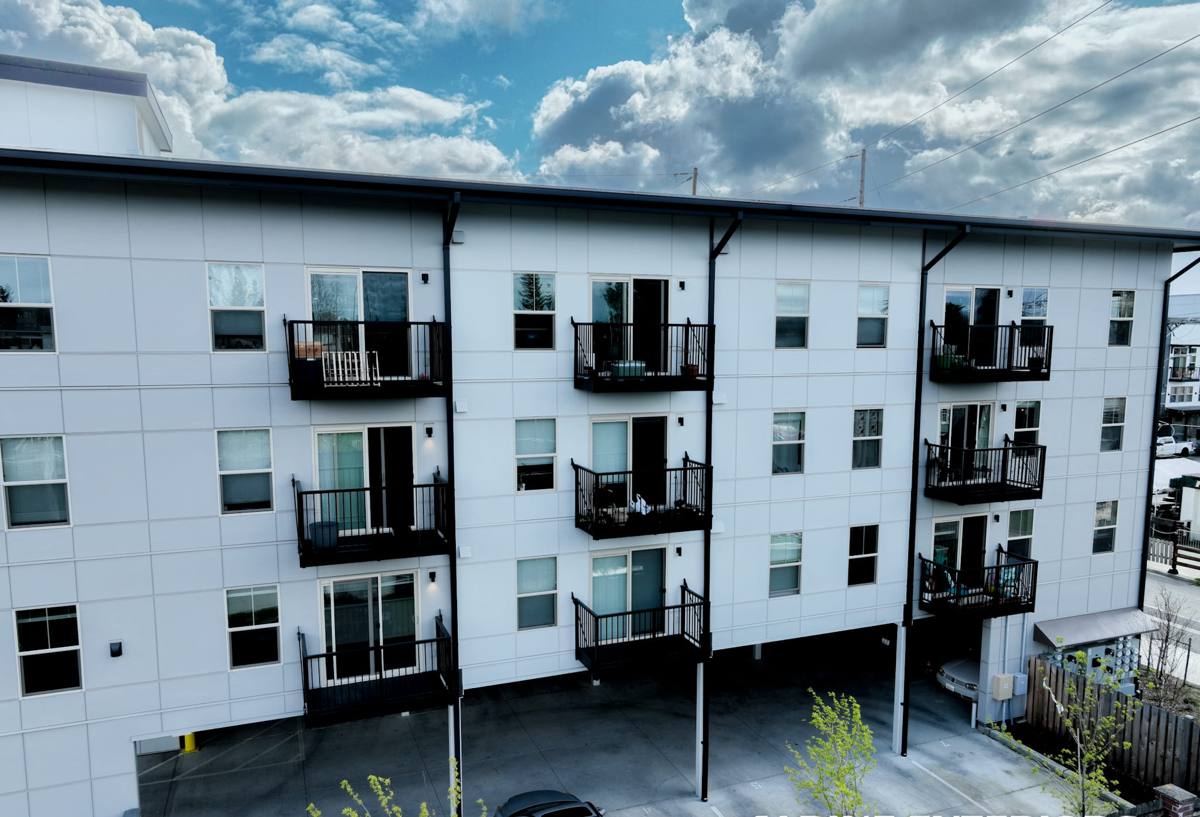
What Blaine's Climate Does to Old Windows
Salt Air and Hardware
Proximity to Semiahmoo Bay and the broader Salish Sea coastline means airborne salt is a real factor in Blaine, more so than for homes further inland in Whatcom County. Salt accelerates corrosion on window hardware, screws, and metal flashing. Older aluminum-frame windows and lower-grade fasteners are especially vulnerable. Once corrosion sets into a frame or a lock mechanism, it's usually a sign the whole unit is on borrowed time.
Driving Rain and Wind-Driven Moisture
Rain in this part of Washington doesn't always fall straight down. Wind off the water pushes it sideways into wall assemblies, and windows are where that pressure concentrates. If flashing, sill pans, or sealant were installed incorrectly, or have simply aged out, water finds its way behind the trim and into the wall framing. By the time staining shows up on interior sills or drywall, the damage has usually been happening for a while.
Moss Season and Prolonged Dampness
Whatcom County's long moss season means extended stretches where wood trim, sills, and nearby siding stay damp far longer than in drier climates. Moss and organic growth hold moisture against wood surfaces, which speeds up rot around window openings if trim isn't sealed and detailed correctly. This is a slow, cumulative problem — homeowners often don't notice it until a window starts feeling soft at the sill or difficult to operate.
Signs a Blaine Home Needs Window Replacement
- Visible condensation or fogging between panes, which means the seal between glass layers has failed
- Drafts or cold spots near the window even when it's fully closed and locked
- Wood trim or sills that feel soft, spongy, or show dark staining
- Windows that are hard to open, close, or lock, especially after damp weather
- Visible corrosion on hardware, hinges, or metal components
- Paint or finish peeling repeatedly around the window frame despite repainting
- Noticeable moss or algae growth on the sill or surrounding trim
- Rising heating bills without another clear explanation
Any one of these on its own might not mean full replacement is necessary. Several together, especially on a home's weather-exposed sides, usually mean the window and its surrounding wall detail are past the point where caulk and paint will fix things.
What a Correct Window Replacement Involves
Assessing the Opening, Not Just the Window
A window is only as good as what's behind it. Before we replace anything, we check the condition of the rough opening, the sheathing, and any existing flashing. If there's hidden rot or water damage from years of exposure to Blaine's driving rain, that has to be addressed first. Installing a new window over a compromised opening just delays the same failure.
Flashing and Water Management
This is the step that separates a durable installation from one that fails in a few years. Proper sill pan flashing, correctly lapped window flange integration, and appropriate weather-resistant barrier tie-in all matter more here than in drier climates, because Blaine's wind-driven rain will find any shortcut. We install flashing in the correct sequence so water is always directed out and away from the wall assembly, never trapped behind it.
Sealing and Insulation
Gaps around the window frame need to be insulated and air-sealed correctly, not just stuffed with expanding foam. Overfilling can bow frames; underfilling leaves drafts and moisture paths. We also use sealants rated for exterior exposure and UV, since lower-grade caulk breaks down faster under our damp, variable weather.
Material Selection for Coastal Exposure
Given the salt air and moisture load in Blaine, we lean toward frame materials and hardware finishes that hold up well in coastal conditions — vinyl and fiberglass frames generally resist corrosion and moisture-driven decay better than bare wood or lower-grade aluminum in this environment. Where a homeowner wants a wood-look interior, clad options give that appearance while keeping the exterior-facing material more resistant to what our climate does to unprotected wood over time.
Comparing Common Window Frame Options for Blaine Homes
| Frame Material | Coastal/Moisture Performance | Maintenance | Typical Fit for Blaine |
|---|---|---|---|
| Vinyl | Strong resistance to salt air and moisture, won't rot or corrode | Low — occasional cleaning | Solid all-around choice for most homes |
| Fiberglass | Very stable in temperature swings and damp conditions | Low | Good for homes with more direct wind/rain exposure |
| Wood (unclad) | Vulnerable to rot and moss growth without diligent upkeep | High — regular painting/sealing | Requires real commitment to maintenance in our climate |
| Clad Wood | Exterior protected from moisture; interior keeps wood look | Moderate | Good option when appearance matters most |
| Aluminum | Prone to corrosion near salt air unless higher-grade finish | Moderate | Less common recommendation for this location |
None of these materials are wrong choices in every case — the right pick depends on the home's exposure, the homeowner's maintenance appetite, and budget. We'll walk through the honest trade-offs for your specific house rather than pushing one product line.
Our Process for Blaine Window Replacement Projects
- On-site assessment — We look at each window's condition, the surrounding trim and wall assembly, and the home's overall exposure to wind and rain direction.
- Honest recommendation — We tell you which windows genuinely need replacement, which can wait, and which are fine as-is. We don't upsell full-house replacement when it isn't needed.
- Written estimate — Clear scope, materials, and pricing before any work begins.
- Removal and opening inspection — Old windows come out carefully so we can check the condition of the framing and sheathing underneath.
- Repair as needed — Any rot or damage found in the opening gets addressed before the new window goes in.
- Installation with proper flashing and sealing — Done to manage water the way Blaine's climate demands, not just to code minimums.
- Final check and walkthrough — We confirm operation, seals, and finish work with you before calling the job done.
Why a Crew That Already Works Blaine Matters
Window replacement is a trade where local knowledge shows up in the details. A crew that regularly works Birch Bay and Blaine knows which sides of a house typically take the worst weather, how moss and dampness tend to build up on north- and west-facing trim, and what corrosion and rot actually look like at this stage versus that stage. That's not something you get from a general contractor who occasionally passes through Whatcom County.
There's also a practical side to hiring local: warranty support, follow-up service, and accountability are all easier when the company installing your windows is based in the same region and plans to keep working here for years to come.
Cost Factors to Expect
Window replacement pricing varies by project, and we won't quote a number without seeing the home. Broadly, cost depends on:
- Number of windows being replaced and their sizes
- Frame material chosen (vinyl, fiberglass, clad wood, etc.)
- Whether the existing opening has hidden rot or damage that needs repair
- Standard replacement versus a full-frame installation with new flashing
- Energy-efficient glass packages, if selected
Homes closer to the water or with more direct wind exposure sometimes benefit from upgraded flashing details or higher-performing glass, which can shift cost — but we'll explain exactly why if we recommend it, rather than adding it as a blanket upsell.
Get a Straight Answer About Your Windows
If your Blaine home has windows showing signs of wear, fogging, drafts, or trim damage, it's worth having a local crew take a look before the next round of driving rain and moss season does more damage underneath the surface. We'll give you a clear, no-pressure assessment of what actually needs attention. Reach out using the form below for a free estimate.