 Birch Bay Siding
 Board & Batten Siding in the Nooksack Area: What It Takes to Get It Right
Board and batten has become one of the most requested siding styles for homes in and around Nooksack, and it's easy to see why. The vertical lines read as clean and modern on newer builds, and warm and traditional on farmhouses and craftsman-style homes alike. But board and batten is not a look you can bolt onto any wall and expect to hold up. In a climate that mixes salt-laden air off the water, long stretches of driving rain, and a moss season that seems to run half the year, the way this siding style is built and installed matters as much as how it looks.
This page focuses specifically on board and batten siding for homes in the Nooksack area of Whatcom County — what the local climate demands from this style, what a correct installation looks like, and why the details matter more here than they would in a drier inland region.
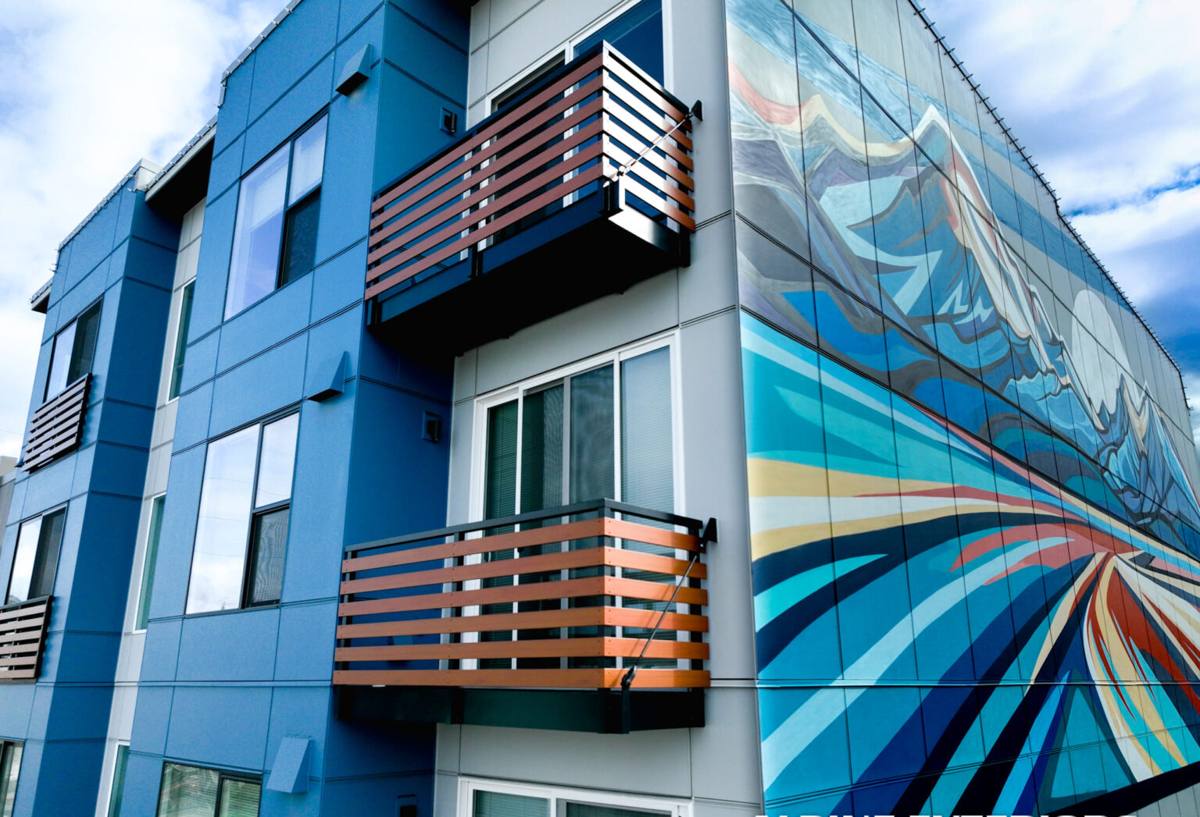
Why Board & Batten Behaves Differently Than Lap Siding
Traditional horizontal lap siding is designed so each board sheds water downward onto the board below it, shingle-style. Board and batten works on a different principle: wide vertical panels are joined at the seams by narrow battens, and the whole system relies on the seams, the fasteners, and the wall assembly behind it to stay dry — not gravity alone. That's a fine system when it's engineered and installed correctly. It's a problem when it isn't.
Vertical siding also exposes more seams per square foot of wall than lap siding does, and every seam is a place where water can find a way in if the batten spacing, fastening pattern, or flashing isn't right. On a home in Nooksack, where wind-driven rain off the water is a regular event rather than an occasional storm, those seams are doing real work for a large part of the year.
What This Climate Actually Demands From the Siding
Salt Air
Proximity to the water means airborne salt settles on siding, trim, and fasteners over time. Untreated or poorly rated metal fasteners and trim accessories corrode faster in this environment, and corrosion at a fastener point is one of the more common ways a board and batten wall starts to fail — not because the siding material gave out, but because what's holding it up did.
Driving Rain
Wind-driven rain doesn't just fall on a wall, it gets pushed sideways and upward into any gap that will take it. Board and batten needs a real water-resistive barrier, correctly lapped flashing at every horizontal transition, and a fastening pattern that doesn't leave the panel free to flex and open its seams during a storm.
Moss Season
Shade, moisture, and mild temperatures for months at a stretch make this one of the better environments in the country for moss and algae growth. North-facing walls and anything tucked under overhangs or tree cover are especially prone to it. Moss holds moisture against the siding surface far longer than open air would, which shortens the life of any product that isn't dimensionally stable when wet.
Why We Install Board & Batten Only in James Hardie Fiber Cement
Board and batten is available in several materials — engineered wood, vinyl panel systems, and fiber cement among them. We install it exclusively in James Hardie fiber cement, and that's a deliberate standard, not a default.
Engineered wood battens and panels can perform well for a while, but wood-based products are dimensionally reactive to moisture by nature. In a climate where the siding may stay damp for days at a time during moss season and repeated storm cycles, that reactivity shows up eventually as swelling at seams, cupping, or accelerated wear at the exact joints the system depends on staying tight. Vinyl board and batten panels are lightweight and inexpensive, but they expand and contract significantly with temperature swings, which can leave visible waviness along long vertical runs, and they are not a fire-resistive material.
Fiber cement doesn't swell, rot, or provide a food source for moss and mildew the way wood-based products can, and it's non-combustible. James Hardie's ColorPlus finish is factory-applied and cured, which matters on a vertical style where color consistency across long, unbroken sightlines is part of the appeal. That combination is why board and batten leaves our crews only in Hardie product — not because other materials can't be installed, but because we don't think they hold up to this climate the way we'd want to stand behind.
Anatomy of a Correct Board & Batten Installation
A board and batten job that's built to last in the Nooksack area involves more layers than the finished look suggests. Getting any one of these wrong is how a wall that looks fine on installation day starts causing problems two or three winters later.
- Water-resistive barrier: A continuous, correctly lapped weather barrier behind the panels, with all penetrations sealed before siding goes on.
- Rain screen or drainage gap: A gap between the barrier and the panel so any moisture that does get behind the siding can drain and dry rather than sitting against the wall sheathing.
- Panel and batten spacing: Manufacturer-specified spacing and expansion gaps so the vertical panels have room to move without stressing the seams.
- Fastener selection and placement: Corrosion-resistant fasteners driven at the correct depth and location — not just enough to hold the panel, but placed exactly where Hardie's install guide calls for them.
- Flashing at every horizontal transition: Windows, doors, decks, roof lines, and any other horizontal break in the wall need properly lapped flashing, not just a bead of caulk.
- Sealed and primed cut edges: Any field-cut panel edge gets treated per Hardie spec so it doesn't become the one weak point in an otherwise sound wall.
None of this is visible once the job is finished, which is exactly why it's worth asking a contractor to walk you through it before they start.
Board & Batten Material Comparison
| Factor | James Hardie Fiber Cement | Engineered Wood | Vinyl Panel |
|---|---|---|---|
| Moisture stability | Dimensionally stable when wet | Can swell/cup with prolonged moisture | Stable but can warp with heat |
| Moss/algae resistance | Non-organic, doesn't feed growth | Wood-based, more susceptible | Resistant but growth sits on surface |
| Fire rating | Non-combustible | Combustible | Combustible |
| Finish consistency | Factory-applied, long warranty | Field or factory paint, shorter interval | Molded-in color, can fade/chalk |
| Typical repaint interval | Long, warranty-backed | Shorter | Doesn't repaint well if damaged |
Our Process for Nooksack-Area Board & Batten Projects
Assessment
We start by looking at the wall assembly itself — what's there now, what condition the sheathing is in, and how the home is exposed to prevailing wind and rain. A wall facing open water or sitting in near-constant shade gets treated differently than a sheltered, south-facing elevation.
Preparation
Any existing siding, damaged sheathing, or compromised barrier gets addressed before a single panel goes up. This is also when drainage gap material and flashing details get planned around your home's specific windows, decks, and rooflines.
Installation
Panels and battens go up to Hardie's published fastening schedule and spacing requirements, not a generic approach borrowed from lap siding. Every horizontal transition gets flashed as it's built, not patched afterward.
Final Walkthrough
We walk the finished job with you, point out how the drainage and flashing details were handled, and go over the maintenance basics for this specific climate.
Maintenance in This Climate
Board and batten in fiber cement is low-maintenance compared to wood alternatives, but "low" doesn't mean "none" in a climate like this one. A periodic soft wash to knock back surface moss and algae before it takes hold, an annual look at caulking around windows and trim, and prompt attention to any fastener that starts showing rust bleed will keep a correctly installed system performing for decades. What you're not doing is repainting, patching swollen seams, or replacing warped panels — the kind of upkeep wood and vinyl systems tend to demand sooner in this environment.
Signs Your Current Siding May Need Attention
- Persistent moss or dark staining that returns quickly after cleaning
- Soft or spongy spots when pressed, especially near the base of walls
- Visible gaps opening at seams or around battens
- Rust streaking below fastener locations
- Peeling or bubbling paint on wood-based board and batten
What Drives the Cost of a Board & Batten Project
| Cost Factor | Why It Matters |
|---|---|
| Existing wall condition | Rotted sheathing or a failed barrier adds repair scope before siding can go on |
| Wall complexity | Dormers, multiple gables, and cut-ins around windows increase labor and flashing detail |
| Panel and batten profile | Batten width and reveal spacing affect material quantities |
| Trim and finish package | Corner details and window trim selections change both material and labor |
| Access and site conditions | Grade, landscaping, and staging area affect crew efficiency |
We walk every property in person before quoting, because two homes of the same square footage in the Nooksack area can have very different scopes once you account for wall condition and exposure.
Why a Crew That Already Works Nooksack Homes Makes a Difference
Board and batten installed to spec anywhere in the country will perform reasonably well in a mild, dry climate. The margin for error shrinks considerably in a place where salt air corrodes fasteners faster, driving rain tests every seam multiple times a season, and moss finds any spot that stays damp too long. A crew that already installs and maintains this style in Whatcom County knows which walls in this area need extra attention at flashing details, which fastener specifications hold up under salt exposure, and where drainage matters most — because they've seen what happens when those details are skipped on a home just down the road.
If you're considering board and batten siding for your Nooksack-area home, we're happy to walk the property, look at your specific exposure, and put together a straightforward, no-pressure estimate. Use the form below to get started.