 Birch Bay Siding
 Why Decks in California Creek Wear Out Faster Than Most
If you live in the California Creek area near Birch Bay, you already know your deck doesn't age the way a deck inland does. The combination of salt-laden marine air, driving rain off the water, and a moss season that can stretch from fall well into spring puts a different kind of stress on outdoor structures than you'd see even twenty miles east in drier parts of Whatcom County. Fasteners corrode faster. Wood fibers stay damp longer between dry spells. And any spot where water can sit — a low board, a poorly flashed ledger, a gap that traps debris — becomes the starting point for rot or mildew months before it would in a less exposed location.
None of that means a deck in this neighborhood is doomed. It means the materials, hardware, and construction details matter more here than they do elsewhere. A deck built or repaired without accounting for salt exposure and prolonged moisture is a deck you'll be dealing with again in a few years, not a few decades.
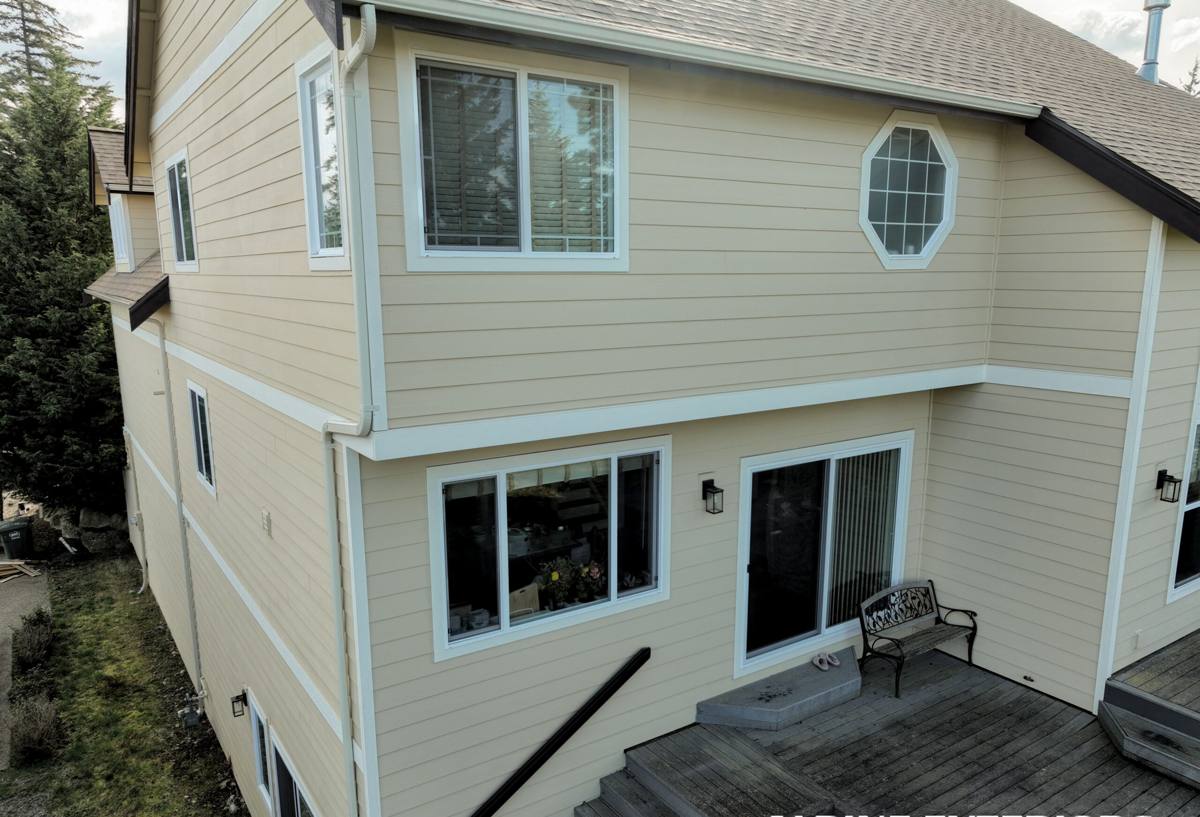
The Warning Signs Worth Taking Seriously
Homeowners often wait too long to replace a deck because the damage that matters most is hidden underneath the parts you can see. By the time boards are visibly cupping or the surface feels soft underfoot, the structure below has usually been compromised for a while. Signs we look for when we evaluate a deck in this area include:
- Soft, spongy, or springy decking boards, especially near the house or in shaded corners
- Rust streaking around fasteners or visible corrosion on hardware and joist hangers
- Persistent moss or algae growth that returns within weeks of cleaning
- Gaps or separation where the ledger board meets the house
- Wobble or movement in railings and posts
- A musty smell coming from underneath the deck, which often points to trapped moisture
Any one of these on its own might be a repair. Several together, or any sign of structural movement, usually means it's time to talk about replacement rather than patching.
What a Correct Deck Replacement Actually Involves
Framing and the Ledger Connection
The ledger board — where the deck attaches to the house — is the single most important detail on any deck, and it's where a huge share of failures start in wet coastal climates. Water that gets behind an improperly flashed ledger has nowhere to go, and it will quietly rot the rim joist and sheathing behind it for years before anyone notices from outside. On a proper replacement, we flash this connection correctly, use approved fasteners rated for the load, and make sure water is directed away from the house rather than trapped against it.
Fasteners and Hardware
Standard galvanized fasteners don't hold up well this close to saltwater. We use stainless steel or high-grade coated fasteners and connectors rated for coastal and treated-lumber exposure, because a deck is only as strong as the hardware holding it together, and that hardware is the first thing salt air attacks.
Joist Spacing and Ventilation
Tighter joist spacing than the minimum code allows gives a deck more stiffness and a longer service life, particularly under composite or PVC decking, which needs firmer support than solid wood. We also make sure there's enough airflow underneath the structure so moisture has a way to dry out between rain events instead of sitting trapped against the framing — a detail that matters more here than almost anywhere else in the county.
Choosing the Right Decking Material for This Climate
There's no single "best" decking material — there's the material that fits your budget, your maintenance appetite, and how much punishment your specific lot takes from salt air and shade. Here's how the common options actually compare for a property like yours:
| Material | Salt & Moisture Behavior | Maintenance | Typical Lifespan |
|---|---|---|---|
| Pressure-treated wood | Prone to cupping, splintering, and mildew without regular upkeep | Annual cleaning and periodic sealing/staining | 10–15 years |
| Cedar | Naturally rot-resistant but still needs sealing near saltwater exposure | Regular cleaning, sealing every 1–2 years | 15–20 years |
| Traditional composite | Resists rot well, but uncapped edges can absorb moisture over time | Periodic washing, no staining | 20–25 years |
| Capped composite / PVC | Fully sealed shell resists moisture and salt intrusion best | Occasional washing only | 25+ years |
We don't push one product over another as a rule. What we do is steer homeowners away from choices that create predictable problems in this specific environment — for example, uncapped composite installed in a shaded, damp corner where it will hold moisture at the edges longer than it's designed for. That's a maintenance and warranty conversation, not a knock on the product itself.
The Moss Problem: It's a Drainage Issue, Not a Cleaning Issue
Moss on a deck in this part of Whatcom County isn't really about how often you sweep or wash it. Moss grows where moisture lingers, and a deck that stays damp for days at a time after rain will grow moss no matter how clean it is on the surface. The real fix happens during construction: correct board spacing so water drains through instead of pooling, proper slope away from the house, and enough ventilation underneath that the structure actually dries out between storms. A deck built with those details in mind will still get some moss on the shadiest boards — that's just the climate — but it won't turn into the slick, green surface that shows up on decks where drainage was an afterthought.
Repair or Replace? How We Make That Call
Not every aging deck needs a full tear-off, and we'd rather give you an honest read than sell you more than you need. Generally:
- Repair makes sense when the framing is sound and the problems are limited to a handful of boards, railings, or fasteners.
- Partial replacement fits when the substructure is solid but the decking surface has reached the end of its life.
- Full replacement is the right call when the ledger, joists, or posts show rot, when structural movement is present, or when repair costs start approaching what a new deck would cost.
We'll tell you which category your deck falls into and why, including what we found underneath — not just what's visible from the top.
What Drives the Cost of a Deck Replacement Here
Every deck is different, so we won't quote a number without seeing the site, but a few factors consistently move the price up or down for homes in this area:
| Cost Factor | Why It Matters |
|---|---|
| Size and height off grade | Taller decks need more substantial footings, posts, and often stairs or railings |
| Material choice | Wood costs less upfront; composite and PVC cost more but reduce long-term maintenance |
| Framing condition | Rotted joists, posts, or ledger connections found during tear-off add scope |
| Site access | Tight lots or waterfront-facing decks with limited equipment access take more labor |
| Railing and stair complexity | Custom railings, multiple stair runs, or grade changes add material and labor |
Broadly, a straightforward wood deck replacement tends to sit at the lower end of the range, while composite or PVC decking with custom railings sits toward the upper end. We'll walk you through the real numbers for your specific project during the estimate — no surprises added later.
Our Deck Replacement Process
- On-site evaluation. We inspect the decking, framing, ledger connection, posts, and footings, not just the surface.
- Honest scope review. We tell you what's failing, what's salvageable, and what your material options actually look like for your budget and sun/shade exposure.
- Tear-off and disposal. Old decking, damaged framing, and hardware are removed and hauled off.
- Framing and flashing correction. Any ledger, joist, or footing issues get fixed before new decking goes down — this is where most of the long-term durability comes from.
- Decking, railing, and stair installation. Installed to the fastener and spacing standards appropriate for coastal exposure.
- Final walkthrough. We go over the finished deck with you, including what maintenance (if any) the material you chose will need going forward.
Why Local Experience in California Creek Matters
A deck built to a generic inland spec will not perform the same way a few hundred feet from Birch Bay's shoreline. Crews who don't regularly work this close to saltwater sometimes default to standard fasteners, standard flashing details, or standard ventilation gaps — details that pass inspection but shorten the deck's real-world lifespan in this exact environment. Working in Birch Bay and the surrounding Whatcom County coastline means we see how decks actually hold up here over years, not just how they look on installation day. That experience shapes which materials we recommend, which hardware we won't cut corners on, and where we pay extra attention during framing — because we've seen what fails first in this climate and why.
After Installation: Keeping a New Deck in Good Shape
Whatever material you choose, a little regular attention goes a long way in this climate. A simple routine to follow through the wet months:
- Sweep debris off the deck regularly, especially fallen leaves and needles that trap moisture against boards
- Clear gutters and downspouts near the deck so runoff doesn't pool against the structure
- Check for moss buildup in shaded corners each fall and clean it before it spreads
- Inspect railings and stair connections annually for looseness
- For wood decking, plan on resealing or staining on the schedule your material calls for — don't stretch it out
- Keep planters and furniture feet from sitting directly on boards for months at a time, which traps moisture underneath
If you're not sure whether your current deck needs a repair, a partial rebuild, or a full replacement, we're happy to take a look and give you a straight answer. Reach out for a free, no-pressure estimate using the form below, and we'll walk the deck with you and explain exactly what we find.