 Birch Bay Siding
 Windows Built for Cherry Point's Coastline, Not Just the Catalog
Cherry Point sits right on Whatcom County's Strait of Georgia shoreline, a short drive from Birch Bay, and that location comes with a specific set of demands most window installers never think about because they don't work out here regularly. Salt-laden air off the water, wind-driven rain that hits window assemblies sideways instead of straight down, and a long gray moss season that keeps wood and vinyl surfaces damp for months at a time all add up to conditions that punish a mediocre window install. A window that would hold up fine in a dry inland neighborhood can fail years early out here if it isn't selected and installed with this exact environment in mind.
This page is about one thing: window replacement done right for Cherry Point homes. Not a generic overview of window types, but what actually matters when the house you're working on is exposed to Whatcom County's marine climate on a daily basis.
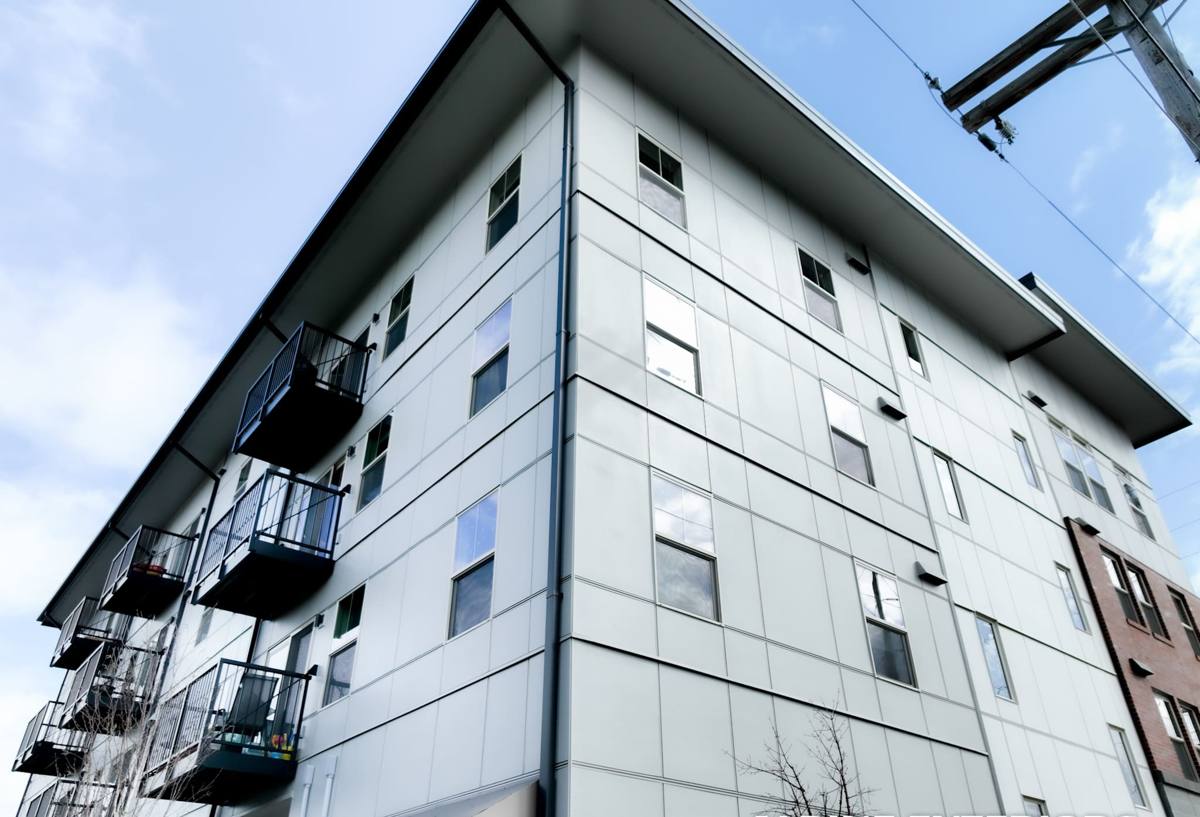
What Cherry Point's Climate Actually Does to Windows
Salt Air and Corrosion
Homes near the water pick up airborne salt that settles on every exterior surface, including window frames, hardware, and screens. Over time, salt exposure accelerates corrosion on lower-grade fasteners, hinges, and cranks, and it can pit or dull finishes that were never rated for coastal use. This is one of the most overlooked factors in window failure near Cherry Point — the window itself looks fine from ten feet away while the hardware underneath is quietly breaking down.
Wind-Driven Rain
Rain that comes in at an angle, pushed by wind off the Strait, tests a window's weatherproofing far more than a straight downpour does. It finds gaps in flashing, worn weatherstripping, and poorly sealed nailing fins that a calm-weather install might never expose. Most window leaks we're called out to inspect trace back to installation details — flashing sequence, sealant placement, sill pan design — not the window unit itself.
Moss and Sustained Moisture
Whatcom County's long wet season means moss and algae get a real foothold on north-facing walls, shaded trim, and anywhere airflow is limited. On windows, this shows up as green or black staining on sills and lower sashes, and more importantly as prolonged moisture contact with wood components, caulking, and frame joints. Sustained dampness is what turns a small sealant gap into a rotted sill over a few seasons.
What a Correct Window Replacement Involves Here
Swapping an old window for a new one is the easy part. Getting the assembly to actually perform in this climate depends on details that are invisible once the trim goes back on:
- Sill pan flashing that directs any water intrusion back out, rather than letting it sit against the wall sheathing
- Proper integration with the house's water-resistive barrier so the window's flashing laps correctly with the wall wrap, shingle-style, top to bottom
- Backer rod and sealant at the right joints — sealing everything solid actually traps moisture; some joints need to breathe
- Corrosion-resistant fasteners and hardware rated for coastal or marine-adjacent exposure, not standard-grade parts
- Correct shimming and squaring so the sash operates smoothly and the weatherstripping seals evenly for the life of the window
- Insulation of the gap between the window frame and rough opening, without overpacking it in a way that bows the frame
Skip any one of these and the window can still look correct on install day while quietly setting up a leak, a rot pocket, or a seal failure two or three winters down the road.
Choosing Materials for a Salt-Air, High-Moisture Environment
There's no single "best" window material for every home, but some perform more predictably than others in a Cherry Point setting. The table below reflects how common options actually behave under salt air, driving rain, and prolonged dampness — not marketing claims.
| Material | Coastal Performance | Maintenance | Our Take |
|---|---|---|---|
| Vinyl (quality-grade) | Doesn't corrode or rot; stable in moisture | Low — occasional cleaning | Solid, reliable default for most homes in this area |
| Fiberglass | Excellent — very stable in temperature and moisture swings | Low | Strong choice for homes wanting a step up in durability and paintability |
| Wood (unclad) | Vulnerable to moisture and moss-driven rot without diligent upkeep | High — regular painting/sealing | We recommend clad options here unless the homeowner commits to ongoing maintenance |
| Aluminum-clad wood | Good exterior protection; interior wood still needs some care | Moderate | Reasonable middle ground when a wood interior look is wanted |
| Standard aluminum frame | Prone to condensation and heat transfer; hardware corrosion risk near salt air | Moderate to high | We generally steer homeowners away from this near the water |
Hardware matters as much as frame material. We spec corrosion-resistant locks, hinges, and screen components on coastal-adjacent jobs, because standard hardware is often the first thing to fail even when the frame itself is holding up fine.
Signs a Cherry Point Home Needs Window Replacement
Because moisture damage in this climate develops gradually, homeowners often live with early warning signs for a while before calling anyone. Worth checking for:
- Fogging or moisture between panes on double- or triple-glazed units (a failed seal, not fixable by cleaning)
- Soft or discolored wood at the sill or lower frame corners
- Green, black, or gray staining that keeps returning after cleaning
- Drafts or a noticeable temperature difference near the window on windy days
- Windows that are difficult to open, close, or lock — often a sign of a warped or swollen frame
- Visible daylight or a whistling sound around the frame during wind-driven rain
- Rising energy bills without an obvious explanation elsewhere in the home
Any one of these on its own might just need a repair. Several together, especially on the weather-facing side of the house, usually point to replacement being the more cost-effective long-term call.
Our Replacement Process
1. On-Site Assessment
We look at each window individually — frame condition, sill and sheathing underneath, current flashing, and how exposed that particular wall is to wind and rain. Not every window on a Cherry Point home takes the same beating; the weather-facing side usually needs more attention than the sheltered side.
2. Product Selection
We walk through material, glass, and hardware options based on that assessment and the homeowner's budget, being upfront about trade-offs rather than steering toward whatever has the best margin.
3. Careful Removal
Old windows come out cleanly, and we inspect the rough opening and sheathing while it's exposed — this is often the only chance to catch hidden rot or moisture damage before it's sealed back up behind a new window.
4. Correct Installation
Sill pan flashing, proper WRB integration, correct fastening, and appropriate sealant placement — done in the sequence that actually sheds water, not just what's fastest.
5. Final Check and Walkthrough
We test operation, check the seal, and walk the homeowner through anything they should know about care going forward.
Why Hiring a Crew That Already Works in Cherry Point Matters
A window installer who mostly works drier, inland jobs isn't necessarily doing anything wrong on those projects — but coastal Whatcom County conditions expose weak installation habits faster than almost anywhere else in the region. A crew that regularly works Cherry Point and the broader Birch Bay area already knows which walls take the worst of the wind-driven rain, which materials hold up honestly under salt air rather than just on paper, and how to sequence flashing so it works with the moisture load this area actually sees, not the moisture load a manual assumes. That local pattern recognition is the difference between a window install that looks right on day one and one that's still performing correctly in year ten.
Cost Factors to Expect
Every home and window package is different, so we don't publish blanket pricing — but these are the main factors that move the number up or down on most Cherry Point jobs:
| Factor | Why It Matters |
|---|---|
| Window material | Vinyl, fiberglass, and clad-wood carry different material and labor costs |
| Number of openings | Whole-house replacement typically costs less per window than piecemeal jobs |
| Sheathing/rot repair needed | Damage found during removal adds material and labor, but it's far cheaper to fix now than after a new window seals it in |
| Glass package | Low-E coatings, gas fills, and impact-resistant options affect both price and long-term performance |
| Wall exposure | Weather-facing walls sometimes warrant upgraded flashing or sealant details |
| Access and site conditions | Second-story or hard-to-reach windows add labor time |
The only way to get an accurate number is a look at the actual home — anyone quoting a firm price sight-unseen for a coastal property is guessing.
After Installation: Keeping Windows Performing in This Climate
New windows still need occasional attention in a salt-air, high-moisture environment. Rinsing frames and hardware periodically helps limit salt buildup, keeping weep holes clear prevents water from pooling in the frame, and checking exterior caulking annually catches small gaps before they become leaks. None of this is heavy maintenance, but skipping it entirely shortens the life of even a well-installed window.
If you're seeing drafts, fogged glass, soft sills, or windows that are just getting harder to live with, we're happy to take a look and give you a straight assessment — no pressure, no upsell script. Fill out the form below for a free estimate on window replacement for your Cherry Point home.