 Birch Bay Siding
 Roof Repair Built for Cottonwood Beach's Waterfront Exposure
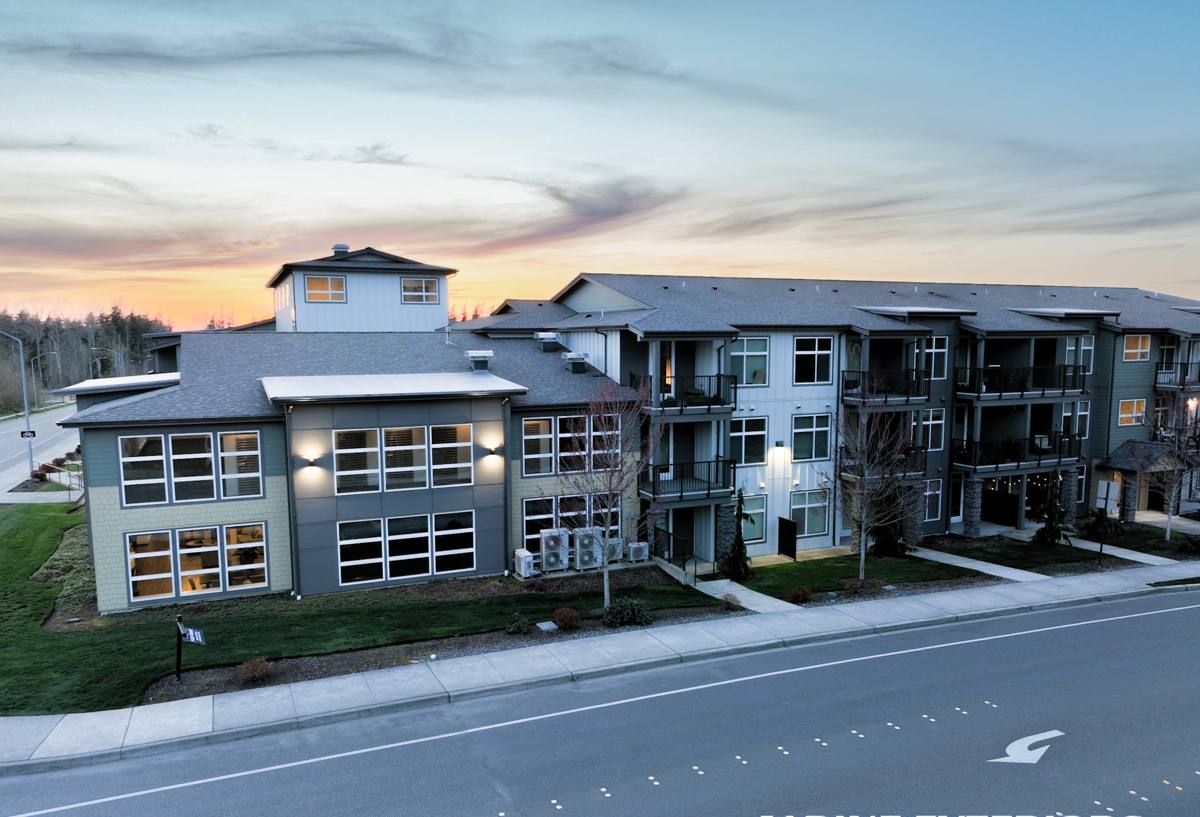
Cottonwood Beach sits along the water in Birch Bay, in northern Whatcom County, and that setting puts a specific kind of stress on a roof year after year. Salt-tinged marine air works on exposed metal and fasteners. Wind off the water drives rain sideways and up under shingle edges and flashing laps that a calmer, more sheltered roof would never have to withstand. And a long, damp moss season settles into shaded and north-facing slopes and stays there for months at a time. Most roof leaks and premature roof failures in Cottonwood Beach trace back to one of those three forces finding a weak point in the roof system, not to the shingles simply running out of years.
This page covers roof repair specifically — diagnosing what's actually wrong, fixing it correctly the first time, and knowing when a repair is the right call versus when it isn't. Full replacement is a different job with different economics, and we'll tell you plainly which one your roof needs rather than defaulting to the bigger sale.
What This Climate Does to a Roof
Salt Air and Corrosion
Being this close to the water means more direct salt exposure than roofs a few miles inland deal with. Salt accelerates corrosion on unprotected metal flashing, drip edge, and fasteners, and corroded metal is one of the most common starting points for a slow, hard-to-trace leak. A roof that looks intact from the ground can still have flashing that's rusted through underneath, quietly letting water in at a valley or wall transition.
Wind-Driven Rain
Rain in Cottonwood Beach doesn't just fall straight down — waterfront wind pushes it sideways and forces it up under shingle tabs, around vent boots, and behind flashing that isn't lapped correctly. That's a heavier, more directional moisture load than a simple annual rainfall number suggests, and it's exactly the kind of load that finds gaps a fair-weather repair might miss.
A Long Moss Season
Mild temperatures, shade, and near-constant dampness add up to a moss and organic growth season that runs most of the year on shaded roof planes. Moss holds moisture against the shingle surface and lifts edges as it grows, which both shortens shingle life and creates entry points for water. On a lot of Cottonwood Beach roofs, the north-facing slope or any area shaded by trees needs more frequent attention than the sun-facing side.
Repair or Replace: How We Make That Call
Not every roof problem calls for a full replacement, and not every roof problem is fixable with a patch. The honest answer depends on how localized the damage is, the roof's overall age and condition, and whether the underlying deck and structure are still sound. We walk the roof and attic in person before recommending either path, and we'll tell you plainly when a repair is the right, cost-effective answer.
| Situation | Repair Usually Makes Sense | Replacement Usually Makes Sense |
|---|---|---|
| Age of roof | Roof is well within its expected lifespan | Roof is at or past the end of its material's typical life |
| Extent of damage | Damage is localized to one area, flashing point, or slope | Wear, granule loss, or moss coverage is widespread across the roof |
| Deck condition | Decking underneath is sound and dry | Soft spots or rot are found in the decking itself |
| Leak history | First or isolated leak with a clear, single cause | Repeated leaks in different spots, suggesting broader failure |
When a repair is the right call, we'll say so and scope the work accordingly. When the roof has moved past the point where a repair is a sound long-term investment, we'll explain exactly why and what we're seeing, rather than leaving you guessing.
Common Roof Repairs We Handle in Cottonwood Beach
Flashing Repair and Replacement
Flashing at valleys, chimneys, skylights, and roof-to-wall transitions is where the large majority of leaks in this area actually start, not in the open field of the roof. We re-lap, reseal, or replace corroded and lifted flashing with materials sized and installed to shed wind-driven rain rather than just standard rainfall.
Moss and Organic Growth Removal
We remove moss and treat affected areas without damaging the shingle surface underneath, since aggressive pressure washing can strip granules and shorten a roof's remaining life faster than the moss itself would. Where moss has already lifted or cracked shingles, those sections get repaired or replaced as part of the same visit.
Spot Shingle Replacement
Cracked, curled, or wind-lifted shingles in an otherwise sound roof can be replaced individually, matched as closely as possible to the surrounding material. This is one of the most cost-effective repairs available when the rest of the roof is in good shape.
Valley and Penetration Leaks
Valleys concentrate a large volume of water runoff, and penetrations for vents, pipes, and skylights are common failure points as their seals and boots age. We address the underlayment and flashing at these points, not just the visible surface, since a surface-only patch over a failed penetration seal rarely holds through a full wet season.
Underlayment and Deck Repair
Where a leak has been running long enough to compromise the underlayment or decking beneath the shingles, that section gets opened up, dried out, and rebuilt properly rather than shingled back over. Covering wet decking with new shingles just hides a problem that keeps getting worse underneath.
What a Correct Repair Actually Involves
A roof repair is only as good as the diagnosis behind it. Caulking over a visible symptom without finding where water is actually entering is a short-term fix at best, and in a climate with this much wind-driven rain, it often fails again within a season or two.
- Tracing the leak to its actual entry point, which is frequently several feet from where the water stain shows up inside
- Checking the condition of the decking and underlayment around the damaged area, not just the surface shingles
- Matching replacement materials to the existing roof as closely as possible for both function and appearance
- Using corrosion-resistant fasteners and flashing metal, given the salt exposure this close to the water
- Re-lapping and sealing flashing to shed water correctly rather than simply caulking a gap shut
- Confirming the repair holds under an actual wet-weather test where the schedule allows it
Our Repair Process
- In-person inspection: We walk the roof and check the attic from the inside where accessible, looking for the real source of the problem rather than just the visible symptom.
- Honest diagnosis: We explain what we found, what's causing it, and whether a repair or a broader fix is the right answer.
- Written estimate: You get a clear scope of the repair work involved before anything is scheduled — no vague verbal pricing.
- Scheduling around weather: Repairs are timed for a workable weather window where possible, since sealing work needs a reasonably dry surface to hold correctly.
- The repair itself: Flashing, shingles, underlayment, or decking are addressed as needed, matched to the existing roof.
- Follow-up check: We confirm the fix is holding, particularly after the next stretch of wind and rain.
Cost Factors for Roof Repair
Roof repair pricing varies a fair amount from job to job, and the difference usually comes down to real scope rather than one contractor simply charging more for the same work.
| Factor | What It Affects |
|---|---|
| How the leak is diagnosed | Whether the actual cause gets fixed or just the visible symptom |
| Extent of flashing work | Materials and labor needed at valleys, chimneys, and wall transitions |
| Deck or underlayment damage | Whether hidden rot or wet decking needs to be opened up and rebuilt |
| Roof pitch and access | Staging, safety equipment, and labor time |
| Material matching | Availability of shingles or flashing that match the existing roof |
| Moss or organic growth removal | Whether cleaning and treatment are needed alongside the physical repair |
A written estimate that breaks these factors out, rather than a single lump-sum number, gives you a much clearer picture of what you're actually paying for and makes it easier to compare against any other bid.
Why Hiring a Crew That Already Works in Cottonwood Beach Matters
A crew that regularly repairs roofs in and around Cottonwood Beach has already seen how salt air corrodes underspecified flashing, where wind-driven rain tends to find its way in on waterfront lots, and which roof orientations hold moss the longest through the wet season. That knowledge shows up in small decisions during a repair — which flashing detail to rebuild rather than just reseal, which shingles are past matching and need a slightly larger repair area — that a crew unfamiliar with this specific exposure might miss entirely.
It also matters after the work is done. A repair warranty is only as good as the company standing behind it, and a contractor with an ongoing, established presence in the Birch Bay area is one you can actually reach if a question comes up a year or two later.
A Practical Checklist Before Hiring for a Roof Repair
- Do they inspect in person, inside and out, rather than quoting from a description over the phone?
- Does the estimate explain the actual cause of the leak, not just describe the visible fix?
- Is flashing work specifically addressed, not just shingles or surface sealant?
- Do they carry current WA contractor licensing, liability insurance, and workers' compensation?
- Can they point to recent, real repair work in or near Birch Bay and Cottonwood Beach?
- Is there a clear workmanship warranty on the repair itself, separate from any material warranty?
Signs Your Cottonwood Beach Roof May Need a Repair Call
Roof problems in this climate rarely start as a dramatic leak. They usually start small and get worse over a wet season or two.
- Water staining on interior ceilings or walls, especially after a windy storm
- Moss buildup that keeps returning on shaded or north-facing slopes
- Granules collecting in gutters or downspouts, signaling shingle wear
- Flashing that looks lifted, rusted, or missing sealant around chimneys, vents, or skylights
- Curling, cracking, or missing shingles after a wind event
- A musty smell or visible moisture in the attic near roof-to-wall transitions
Catching these early is usually the difference between a straightforward repair and a much larger fix once water has had time to work its way into the decking or wall assembly.
If you're seeing any of these signs, or just want an honest, no-pressure look at your Cottonwood Beach roof, we're glad to come take a look and put together a clear written estimate. Use the form below to get started.