 Birch Bay Siding
 Building Decks in Ferndale the Right Way for This Climate
Ferndale sits close enough to the water and to Birch Bay that homes here deal with the same weather pattern that wears out decks all along this stretch of Whatcom County: salt-tinged air moving in off the bay, long stretches of driving rain from fall through spring, and a moss season that can run half the year in shaded yards. A deck built with generic, one-size-fits-all methods will show damage here faster than it would twenty miles inland. A deck built for this specific climate holds up.
This page covers what a custom deck project in Ferndale actually needs to get right, from material selection to the structural details that matter most, so you know what to look for whether you're planning a small platform off the back door or a full multi-level outdoor living space.
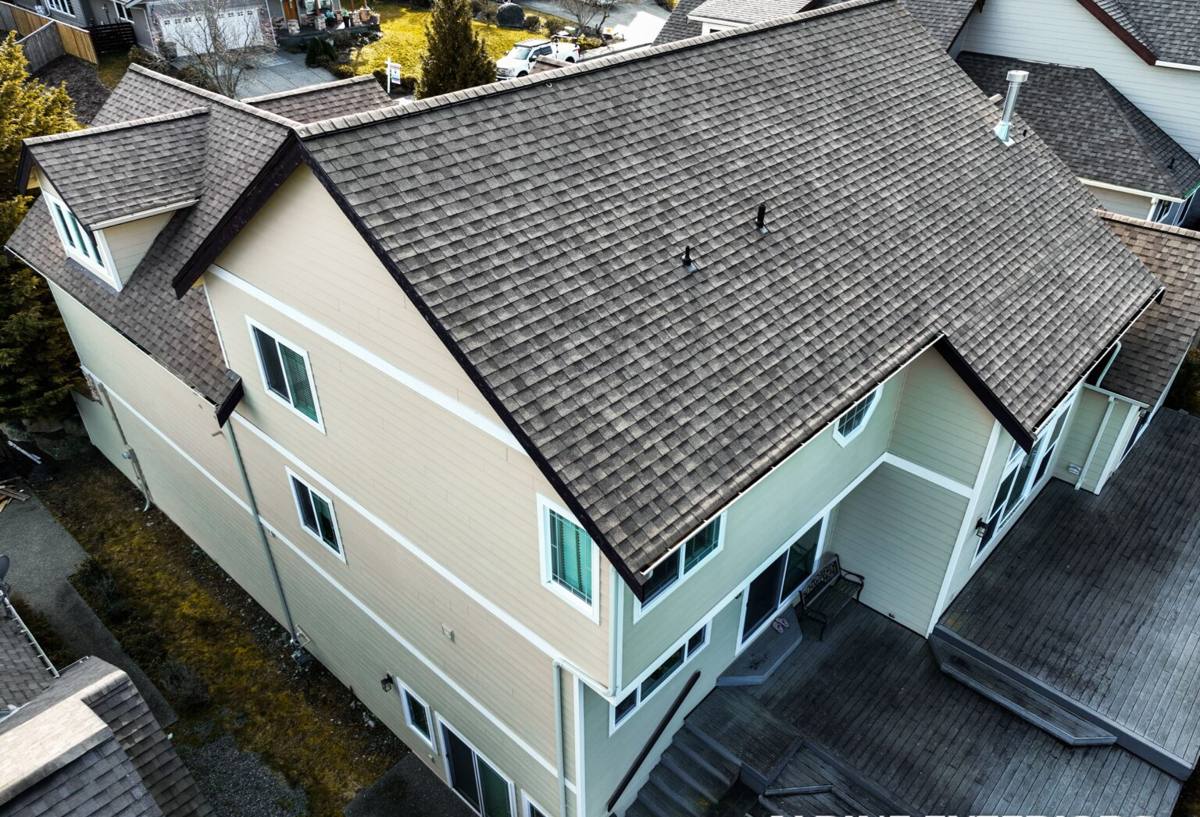
What the Local Climate Does to a Deck
Three conditions do most of the damage to decks in this area, and they compound each other.
Salt Air
Even a few miles from open water, airborne salt accelerates corrosion on any exposed metal — fasteners, joist hangers, railing brackets, and structural screws. Standard hot-dip galvanized hardware can start showing surface rust within a few seasons in a coastal-influenced environment like this one. Once fasteners corrode, they lose holding strength long before the wood around them looks like it's failing, which is part of why deck hardware deserves more attention than most homeowners expect.
Driving Rain
Rain here doesn't just fall — wind pushes it sideways into ledger boards, under railing posts, and into any gap in the decking that isn't properly spaced or flashed. Water that gets trapped against a house's rim joist or behind a ledger board is one of the most common sources of hidden rot in this region, because the damage happens where you can't see it until the deck starts to feel soft or spongy.
Moss and Constant Moisture
Shaded yards, tree cover, and the sheer number of overcast, damp days each year give moss and algae plenty of time to establish on horizontal wood surfaces. Beyond being slippery underfoot, moss holds moisture against the decking surface long after the rain has stopped, which keeps wood fibers wet and speeds up rot in untreated or poorly finished lumber.
Choosing the Right Decking Material for Ferndale
There's no single "best" decking material — the right choice depends on how much maintenance you're willing to do, your budget, and how exposed the deck is to sun, shade, and moisture. Here's how the common options actually perform in this climate.
| Material | Moisture & Moss Resistance | Maintenance | Typical Lifespan Here |
|---|---|---|---|
| Pressure-treated pine | Fair — needs sealing to perform well | Annual cleaning and re-sealing recommended | 15-20 years with upkeep |
| Cedar | Good natural rot resistance, still needs finish | Periodic cleaning and refinishing | 15-25 years with upkeep |
| Composite decking | Very good — won't rot, but can still grow surface moss/algae | Occasional washing, no sealing or staining | 25-30+ years |
| PVC decking | Excellent — fully synthetic, sheds moisture | Lowest — occasional rinse | 30+ years |
We'll walk you through these trade-offs honestly during an estimate. Composite and PVC cost more up front but remove most of the moisture-related maintenance burden that wood decking carries in a climate like this. Wood costs less initially and can look great, but only if the homeowner keeps up with cleaning and resealing on a real schedule — skip a year or two and moss and gray weathering set in fast.
The Structural Details That Actually Matter
A deck's long-term performance in this climate is decided by details most homeowners never see once the project is finished. This is where a correctly built deck separates itself from one that looks fine for a few years and then starts failing.
Ledger Board Flashing
Where the deck attaches to the house, proper flashing — installed in the correct layered sequence with the house's existing water barrier — is what keeps driving rain from working its way behind the ledger and into the rim joist. This is one of the most common failure points we see on older or improperly built decks in this area.
Joist Protection
Covering the tops of joists and beams with a self-adhering protective tape before decking goes down keeps standing water from soaking into the end grain, which is the fastest way lumber rots. It's a small material cost that pays off directly in fewer callbacks for soft or failing framing.
Fastener Selection
Given the salt air common along this part of the coast, we specify corrosion-resistant fasteners and connectors rated for the exposure, not just the minimum hardware a big-box lumber package includes. Cutting corners on hardware is invisible on installation day and expensive five years later.
Drainage and Airflow
Proper board spacing, ground clearance, and — where the deck sits low or over a patio — a drainage system underneath all keep water moving off the structure instead of sitting in it. Decks that trap moisture underneath are the ones that develop hidden rot and heavy moss growth first.
Our Process for a Ferndale Deck Project
- On-site consultation. We look at your yard's sun and shade pattern, drainage, existing structure (if it's a rebuild), and how you actually want to use the space.
- Design and material selection. We talk through decking material, railing style, and layout, with honest trade-offs on cost, maintenance, and lifespan for this climate.
- Permitting. Deck projects above a certain size or height typically require a permit; we handle that process so it's built to code from the ground up.
- Construction. Proper footings, flashing, joist protection, and corrosion-resistant hardware go in before a single deck board is placed.
- Final walkthrough. We go over the finished deck with you, including what maintenance it does and doesn't need going forward.
Deck Maintenance Checklist for This Climate
Whatever material you choose, a little seasonal attention goes a long way toward keeping a deck safe and good-looking in Whatcom County's wet, mossy conditions.
- Sweep leaves and debris off the deck surface regularly, especially in fall — trapped organic matter holds moisture and feeds moss growth.
- Wash the deck at least once a year with a cleaner appropriate for the material to remove early moss, algae, and grime before it takes hold.
- Check railing posts and stair connections annually for looseness, which can signal fastener corrosion or wood movement.
- Inspect the ledger board area where the deck meets the house for any signs of water staining or soft wood.
- For wood decking, reseal or restain on the manufacturer's recommended schedule — don't wait until it looks weathered.
- Keep gutters and downspouts near the deck clear so roof runoff isn't dumping extra water onto or under the structure.
- Trim back overhanging branches and vegetation that keep the deck surface shaded and damp longer than it needs to be.
Why Hire a Crew That Already Works in Ferndale
A deck builder who works this specific area regularly already knows how local soil drains, how much moisture a shaded Whatcom County yard holds onto through the winter, and which hardware actually stands up to the salt-air exposure common near the bay. That's different from working off a generic national build spec. It also means we're not learning the local permitting process on your project — we've already been through it for other decks in the area, so there are fewer surprises and delays.
We also stand behind our work locally, which matters more with decks than with almost any other exterior project — a poorly flashed ledger board or corroded fastener won't show itself as a problem until a few winters have passed. Working with a crew that's still in the area, and that built the deck with this climate in mind from day one, is your best protection against that.
What a Custom Deck Project Typically Involves
Every project is different, but most custom deck jobs in this area fall into a few categories: a straightforward ground-level or low platform deck, a raised multi-level deck off a daylight basement or sloped lot, or a full outdoor living upgrade with built-in seating, lighting, or a covered section. The framing and flashing principles stay the same across all three — what changes is the scale of the structural work and, on raised decks, the importance of proper railing and stair construction for safety and code compliance.
If you're replacing an old, failing deck rather than building new, that's often the better time to correct problems that were baked into the original build — undersized footings, missing flashing, or hardware that was never rated for this exposure in the first place. A rebuild is a chance to fix those issues permanently instead of patching around them again.
Get a Free, No-Pressure Estimate
If you're planning a new deck or considering replacing one that's showing its age, we're happy to come take a look, walk the site with you, and talk through material and design options honestly — no pressure, no obligation. Use the form below to request a free estimate for your Ferndale property.