 Birch Bay Siding
 Building a Deck That Belongs on the Semiahmoo Coastline
Semiahmoo sits right where marine air, wind-driven rain, and a long wet season meet a homeowner's outdoor living space. A deck built here isn't doing the same job as a deck forty miles inland. It's holding up to salt-laden air blowing off the water, months of low-angle rain that never quite lets wood dry out, and the moss and algae growth that comes with mild, damp Pacific Northwest winters. Get the material choices, fastener selection, and drainage details right, and a Semiahmoo deck can go decades between major repairs. Get them wrong, and you're looking at soft boards, rusted hardware, and a slippery, moss-covered surface within a few seasons.
This page covers what we actually do differently when we build a deck for a home in this specific area of Whatcom County, and why those details matter more here than they do in drier parts of the state.
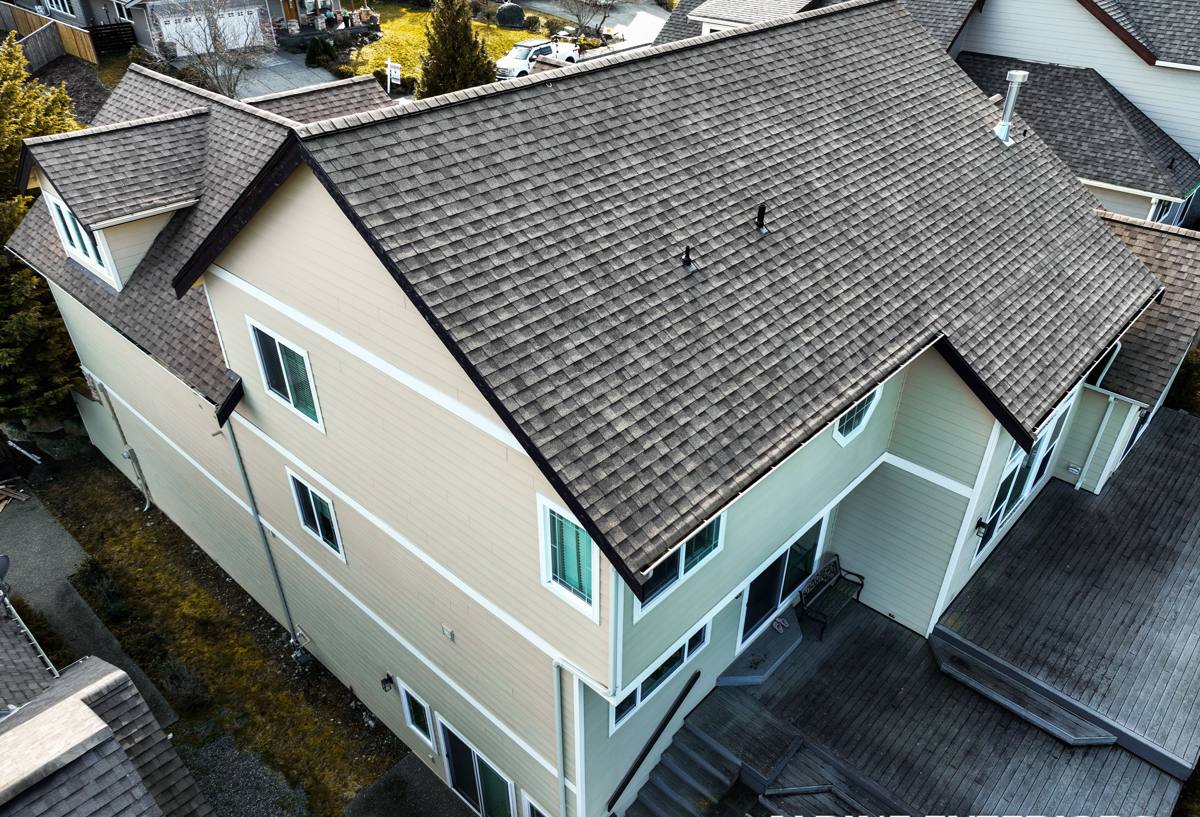
What Salt Air, Driving Rain, and Moss Actually Do to a Deck
Salt Air
Airborne salt doesn't just affect homes sitting on the water. It travels on the wind and settles on any exposed surface, including decks set back from the shoreline. Over time it accelerates corrosion on fasteners, hardware, and metal railing components, and it can degrade the finish on lower-grade coatings faster than the manufacturer's published timelines suggest.
Driving Rain
Birch Bay and Semiahmoo don't get isolated downpours so much as long stretches of steady, wind-pushed rain. That means water gets driven sideways into ledger connections, under railing posts, and into any gap where flashing or sealant is even slightly off. A deck built for a drier climate, with minimal flashing detail, will let water in here that it would never see somewhere with less wind-driven precipitation.
Moss and Algae
Shade, moisture, and mild temperatures are exactly what moss and algae need to establish themselves. Left unaddressed, moss holds moisture against decking boards, which speeds up rot in wood and can leave composite surfaces slick and stained. A deck's structure, spacing, and material all affect how much moss becomes a maintenance headache versus a minor annual chore.
Choosing the Right Decking Material for This Climate
There's no single "best" decking material — the right choice depends on how much maintenance you're willing to do, your budget, and how close your lot is to open water and wind exposure. Here's how the common options actually perform under Semiahmoo conditions:
| Material | Moisture & Moss Behavior | Maintenance | Typical Lifespan Here |
|---|---|---|---|
| Pressure-treated lumber | Absorbs water readily; needs a sealed finish to resist moss staining and softening | Annual cleaning and re-sealing recommended | 15–20 years with upkeep |
| Cedar | Naturally rot-resistant but still needs finish maintenance to fight moss and graying | Periodic cleaning, re-oiling or re-staining | 20–25 years with upkeep |
| Composite decking | Doesn't absorb water like wood, but can still stain from moss/algae if not cleaned | Occasional washing; no sealing/staining | 25–30+ years, per manufacturer warranty |
| PVC/capped polymer | Fully moisture-resistant surface; best resistance to staining and moss growth | Lowest maintenance of the group | 25–30+ years, per manufacturer warranty |
We don't push one material on every job. A well-built, properly finished cedar deck is still a great choice for homeowners who like the look and don't mind the upkeep. Composite and PVC decking cost more up front but reduce the yearly maintenance burden, which matters to a lot of Semiahmoo homeowners dealing with the area's moss season every single winter. We'll walk through the real trade-offs for your specific lot and sun exposure before you commit to a material.
Framing, Fasteners, and Hardware That Hold Up Near the Water
The decking surface is the part everyone sees, but the framing underneath and the fasteners holding it together are what determine whether a deck stays sound. In a marine-air environment like this, standard hardware corrodes faster than it does inland. We use fasteners and structural connectors rated for coastal or high-moisture exposure rather than the minimum-grade hardware that's fine in drier regions. That includes stainless or coated structural screws, corrosion-resistant joist hangers, and post bases designed to keep wood posts from sitting in standing water.
Framing lumber matters too. Ground-contact rated pressure-treated lumber where posts meet grade, proper joist spacing for the decking material chosen, and correct blocking all affect how the structure handles years of wet-dry cycling without warping or loosening.
Ledger Attachment and Flashing
The ledger board — where the deck attaches to the house — is the single most common source of hidden water damage on any deck, and it's an even bigger deal in a climate with this much driving rain. Proper flashing detail at the ledger, correct fastener spacing, and a water-resistant barrier between the ledger and the house wall are non-negotiable on every deck we build here. This is also the connection point structural engineers and inspectors scrutinize most closely, because a failed ledger connection is a safety issue, not just a cosmetic one.
Drainage and Moisture Management
A deck that sheds water properly will always outlast one that doesn't. That means grading and spacing decking boards so water moves through rather than pooling, keeping the area under the deck ventilated so trapped moisture can dry out, and making sure any under-deck drainage systems (if you want dry space underneath for storage or a patio) are installed correctly rather than as an afterthought. Poor drainage is one of the most common reasons we see decks fail early in this area — not bad material, just water with nowhere to go.
Railings and Guards Built for Salt Exposure
Railing systems take direct wind and rain exposure and, on many Semiahmoo lots, some degree of salt air. Metal cable and rod railing systems look great but need corrosion-resistant hardware and proper tensioning to stay looking good and functioning safely over time. Wood and composite railing posts need the same attention to base flashing and fastener quality as the deck structure itself. We size and space railings to current code requirements and build the connection points to hold up under the same conditions as the rest of the deck.
Our Process for a Semiahmoo Deck Project
- Site visit and assessment. We look at sun exposure, wind direction, drainage patterns, and how close the lot is to open water, since that affects both material recommendations and hardware selection.
- Design and material selection. We walk through decking, railing, and structural options with honest pros and cons for your budget and maintenance preference — not a one-size-fits-all pitch.
- Permitting. Deck projects in Whatcom County typically require permits depending on size and height; we handle that process so you don't have to figure it out yourself.
- Demolition and structural work. Removing any existing deck, setting footings and posts, and framing to code.
- Decking, railing, and finish work. Installing the chosen decking material and railing system with attention to fastener placement and drainage.
- Final walkthrough. We go over the finished deck with you, including realistic maintenance expectations for the material you chose.
Deck Maintenance Checklist for This Climate
Whatever material you choose, a few habits go a long way toward getting the full lifespan out of a Semiahmoo deck:
- Sweep off leaves, needles, and debris regularly, especially in fall and winter, so moisture and organic material don't sit against the surface
- Wash the deck surface at least once a year to remove early moss and algae growth before it takes hold
- Check railing posts and hardware annually for early signs of rust or loosening
- Inspect the ledger board area periodically for staining or soft spots, which can indicate a flashing issue
- Reapply sealant or stain on wood decking on the schedule the product recommends — don't wait until it's visibly failing
- Keep gutters and downspouts near the deck clear so runoff isn't dumping extra water onto the structure
Why a Crew That Already Works Semiahmoo Makes a Difference
A lot of the decisions on this page aren't things you'll find in a generic decking brochure — they come from actually building and repairing decks in this specific stretch of Whatcom County, season after season. We know which fastener grades hold up to the salt air here, which drainage details actually matter given how the rain comes in, and how bad the moss season gets on shaded, north-facing lots versus open, sun-exposed ones. That's the kind of judgment that only comes from working this coastline regularly, not from a manufacturer's general installation guide.
If you're planning a new deck or replacing one that didn't hold up to this climate, we're happy to take a look and give you a straightforward, no-pressure estimate using the form below.