 Birch Bay Siding
 Roofing in Birch Bay Village: A Different Set of Rules
Birch Bay Village sits close enough to the water that the air itself works against a roof. Salt carried in on the wind, near-constant moisture, and a moss season that can run most of the year all add up to conditions that wear roofing materials faster than they would inland. A roof that's correctly matched to this environment and installed the right way holds up. A roof that isn't — even a roof made from good materials — can develop problems years before it should.
This page covers what a new roof installation should actually involve for a home in Birch Bay Village, in Whatcom County, and how we approach that work.
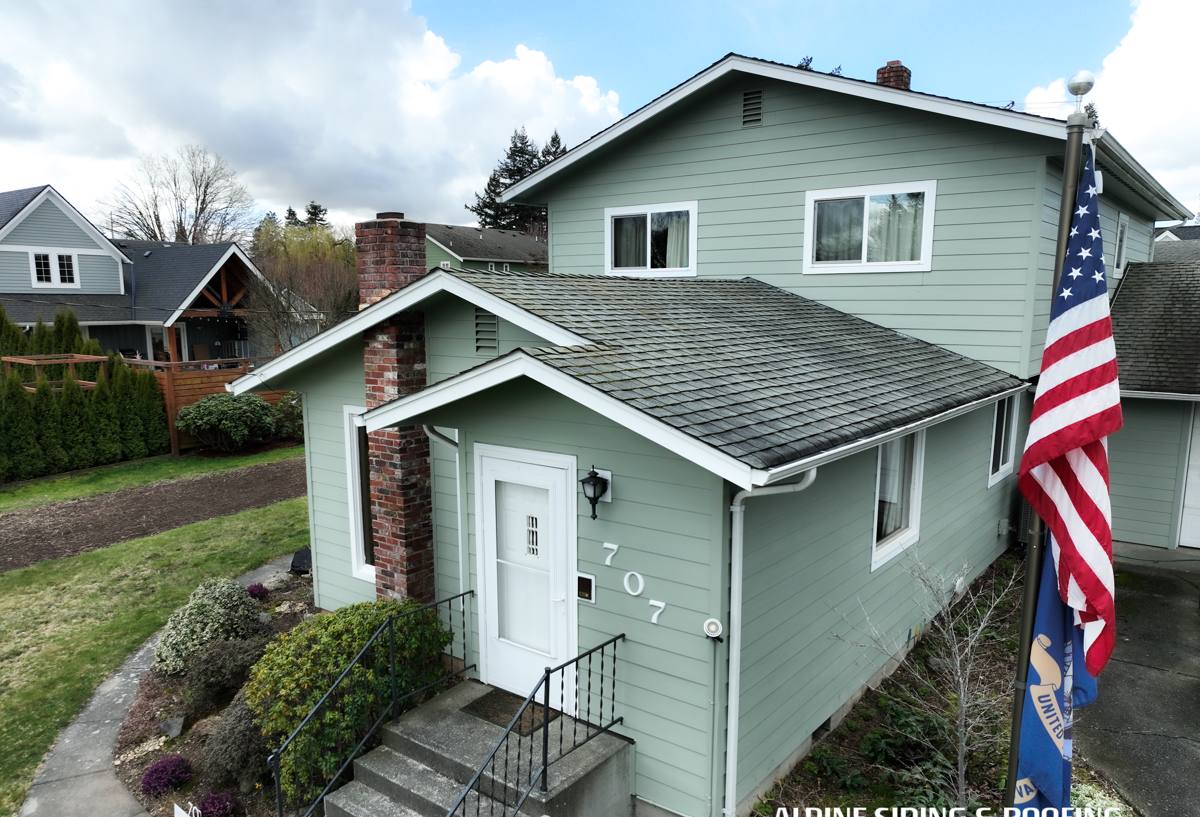
What the Local Climate Does to a Roof
Salt Air
Homes near Birch Bay and the Salish Sea shoreline are exposed to airborne salt, which accelerates corrosion on any exposed metal — fasteners, flashing, vent caps, and drip edge. Roofing hardware that isn't rated for coastal exposure can start rusting and staining a roof well before the shingles themselves are due for replacement.
Driving Rain
Storms coming off the water tend to push rain sideways, not straight down. That changes how water finds its way into a roof system. Standard nail patterns, minimal flashing, and loose shingle tabs that might hold up fine in a calmer climate can let wind-driven rain work its way up and under roofing in this area. Every seam, valley, and penetration needs to be treated as a place water is actively trying to get past.
Moss and Sustained Moisture
Whatcom County's long damp season, combined with tree cover common around Birch Bay Village lots, creates ideal conditions for moss and algae growth. Moss doesn't just look bad — it holds moisture against the roof surface, lifts shingle edges as it grows, and can work its way under tabs and into fastener holes over time. A roof that isn't set up to shed moisture and resist moss growth from day one will need more maintenance, sooner.
Signs a Birch Bay Village Home Needs a New Roof
- Shingles that are cupping, curling, or losing granules in noticeable patches
- Moss buildup that keeps coming back within a season or two of cleaning
- Dark streaking or staining that doesn't wash off, especially near valleys and eaves
- Soft spots, sagging, or visible deflection in the roof deck
- Water stains on interior ceilings or in the attic after wind-driven storms
- Rusted flashing, vent boots, or fasteners
- A roof approaching or past the manufacturer's expected service life for its material and this climate
Any one of these on its own might just mean a repair. Several together, or a roof that's simply reached the end of its realistic lifespan in a coastal environment, usually means it's time to talk about full replacement instead of patching the same trouble spots again.
What a Correct New Roof Installation Involves
A new roof is only as good as what happens underneath the shingles. In a climate like this, the details most homeowners never see are the ones that determine whether the roof lasts.
Full Tear-Off and Deck Inspection
We remove the existing roofing down to the deck rather than layering over it. That lets us actually see the plywood or OSB sheathing underneath — check for soft spots, rot, or water damage from past leaks — and replace any sections that won't hold fasteners properly. Roofing over damaged decking just hides a problem that will resurface.
Ice and Water Barrier at Vulnerable Points
Eaves, valleys, and roof penetrations (chimneys, vents, skylights) get a self-adhering waterproof membrane before the main underlayment goes down. These are the spots wind-driven rain and moss-related backup are most likely to find a way in, so they get extra protection, not just a standard felt layer.
Synthetic Underlayment
Over the rest of the deck, synthetic underlayment holds up better than old-style felt paper in a wet climate — it resists tearing, sheds water more reliably if it's exposed during installation, and doesn't degrade as quickly with repeated moisture exposure.
Corrosion-Resistant Flashing and Fasteners
Given the salt air near Birch Bay, we use flashing and fasteners rated for coastal exposure rather than standard-grade hardware. It costs a little more up front and saves a homeowner from rust streaks and failed fasteners years down the road.
Proper Ventilation
Attic ventilation matters as much as the roofing material itself. A roof deck that can't breathe traps moisture underneath the shingles, which speeds up rot, encourages mold, and works against whatever moss resistance the shingles offer from above. We check existing intake and exhaust venting and correct it as part of the installation, not as an afterthought.
Moss-Resistant Shingle Options
Many manufacturers now offer shingles with algae- and moss-resistant granules built in. For a property in Birch Bay Village, especially one with tree cover or partial shade, this is worth discussing — it doesn't eliminate the need for occasional cleaning, but it slows regrowth meaningfully compared to standard granules.
Comparing Roofing Materials for This Climate
| Material | How It Handles This Climate | Maintenance | Typical Lifespan |
|---|---|---|---|
| 3-Tab Asphalt Shingle | Basic wind and moisture resistance; more seams for water to find | Moderate; more prone to moss anchoring at tab edges | Shorter end of asphalt range |
| Architectural (Laminate) Asphalt Shingle | Thicker profile, better wind rating, better water shedding | Lower with algae-resistant granules | Longer end of asphalt range |
| Standing Seam Metal | Excellent water shedding and wind performance; needs coastal-rated fasteners and coatings to manage salt exposure | Low once properly installed | Long-term, well beyond most asphalt options |
| Cedar Shake | Traditional look, but holds moisture and supports moss growth without diligent upkeep | High; regular treatment and cleaning needed | Shorter without consistent maintenance |
We don't push cedar shake for high-moisture, moss-prone properties as our default recommendation — not because it can't be installed well, but because the maintenance commitment to keep it performing in this climate is significant, and most homeowners underestimate it going in. We'll install what a homeowner wants after an honest conversation about the trade-offs; we just won't let that conversation skip the trade-offs.
Our Installation Process
- On-site inspection. We assess the current roof, decking condition, ventilation, and any trouble spots specific to the home's exposure and tree cover.
- Written estimate. Material options, scope of work, and pricing are laid out clearly before anything is scheduled.
- Permitting. We handle the permit process required for roof replacement in Whatcom County.
- Tear-off and deck repair. Old roofing comes off, the deck is inspected, and any damaged sheathing is replaced.
- Underlayment and flashing. Ice-and-water barrier, synthetic underlayment, and corrosion-resistant flashing go in at every vulnerable point.
- Ventilation correction. Intake and exhaust venting are checked and adjusted as needed.
- Shingle or material installation. Installed to manufacturer spec, with attention to nail placement and wind-rated fastening patterns given the exposure here.
- Final walkthrough. We review the finished roof with the homeowner, including care and maintenance expectations for this climate.
What Affects the Cost of a New Roof
| Factor | Why It Matters |
|---|---|
| Roof size and pitch | More surface area and steeper pitches mean more material and labor time |
| Material choice | Asphalt, metal, and cedar carry different material and installation costs |
| Deck condition | Rotted or soft sheathing found during tear-off adds repair cost not visible from the ground |
| Number of penetrations | Chimneys, skylights, and vents each need individual flashing work |
| Ventilation upgrades | Adding or correcting intake/exhaust venting adds scope but pays off in roof longevity |
| Access and site conditions | Tree cover, steep lots, or limited equipment access can affect labor time |
We give a real number after seeing the roof, not a phone-quote guess. Anyone quoting a full roof replacement without walking the property should be treated with caution.
What to Check Before Hiring a Roofing Contractor
- Washington State contractor license, current and in good standing
- Liability insurance and workers' compensation coverage
- A written estimate that specifies materials, underlayment type, flashing approach, and warranty terms — not just a total price
- Willingness to explain why they're recommending one material over another for your specific property
- Local references or a track record of work in the Birch Bay / Whatcom County area
- A manufacturer-backed warranty that's only valid through a certified installer, if that applies to the material chosen
Why a Crew That Already Works Birch Bay Village Matters
A roofing crew that regularly works Birch Bay Village and the surrounding Whatcom County coastline already knows which details can't be skipped here — coastal-rated fasteners, the flashing points that take the worst of the wind-driven rain, and which shingle lines actually hold up against sustained moss pressure instead of just claiming to. That's not something a crew coming from a drier, inland market necessarily accounts for by default. It's also easier to get honest post-installation support — warranty questions, a maintenance check after a bad storm season, or advice on moss treatment — from a contractor who's local and plans to still be working in the area next year and the year after.
Get a Straight Answer About Your Roof
If your roof is showing its age, holding onto moss no matter how often it's cleaned, or you just want an honest read on how much life it has left, we're happy to take a look. We'll tell you what we actually see — including if a repair makes more sense than full replacement — and put together a written estimate with no pressure attached. Use the form below to request a free estimate for your Birch Bay Village home.