 Birch Bay Siding
 When Storms Move Through Ferndale, Your Roof Takes the Hit First
Ferndale sits close enough to the Salish Sea and the Birch Bay shoreline that storms rolling in off the water arrive with real force — sideways rain, gusty wind, and enough salt-laden air to accelerate wear on anything exposed. A roof that looks fine from the driveway can be hiding lifted shingles, torn flashing, or soaked underlayment after a single bad system passes through. We repair storm-damaged roofs for homeowners in this area on a regular basis, and the pattern is almost always the same: the damage is worse underneath the shingles than it looks from the ground, and waiting even a few weeks turns a patch job into a deck replacement.
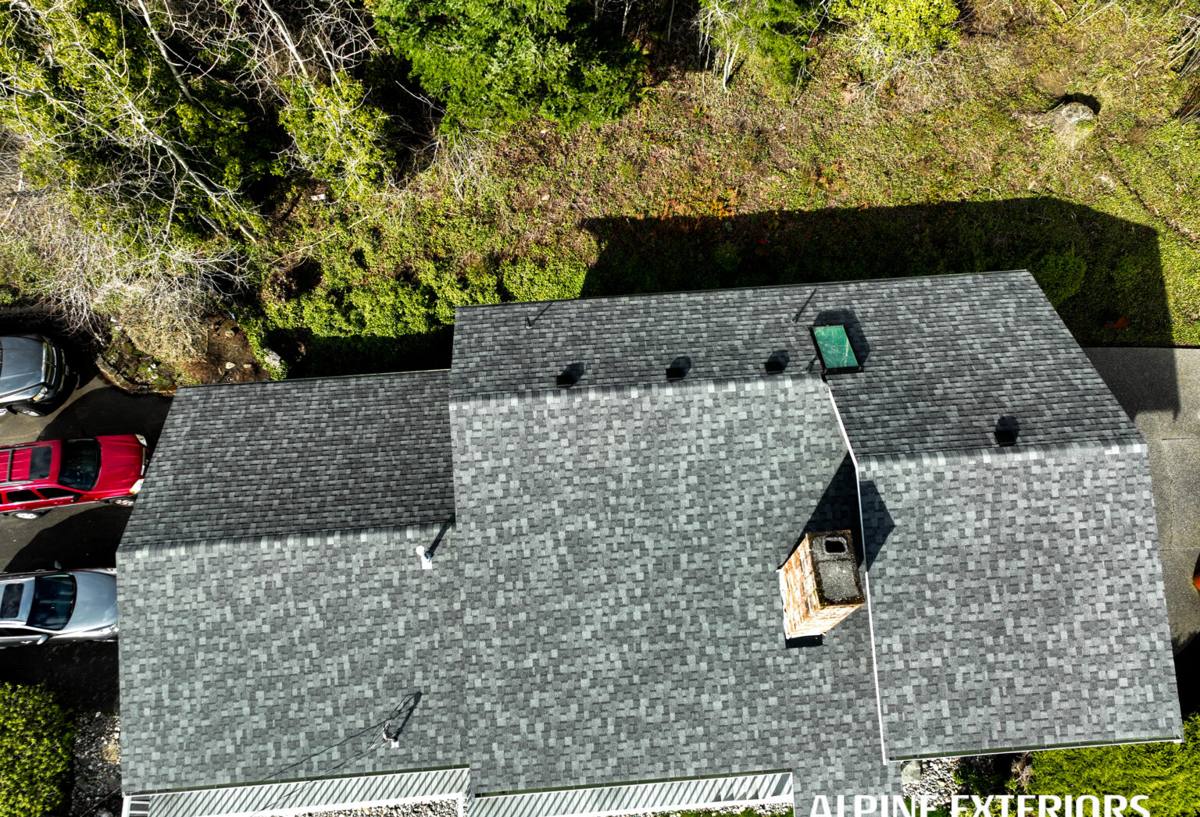
What Local Weather Does to a Ferndale Roof Over Time
Salt air and wind exposure
Homes closer to Birch Bay and the surrounding coastline deal with a steady drift of salt-laden moisture in the air. Over years, that air accelerates corrosion on exposed metal — flashing, nail heads, vent caps, and gutter hardware — well before the shingles themselves would normally need attention. A storm doesn't have to be dramatic to finish off a fastener or flashing seam that's already been quietly weakening for a decade.
Driving rain, not just rainfall totals
Whatcom County gets plenty of steady rain, but the damage we see after storms usually comes from wind-driven rain hitting the roof at an angle instead of falling straight down. That angled water finds its way under shingle tabs, around chimney flashing, and into any gap a straight-down rain would never reach. It's why a roof can handle years of normal weather fine and then develop a leak after one windy storm.
A long moss season
Shaded, damp conditions for much of the year mean moss and moisture-holding debris build up steadily on north-facing slopes and anywhere tree cover blocks the sun. Moss holds water against the shingle surface, works its way under tabs, and lifts them just enough that wind has something to grab onto. A roof with heavy moss going into a windstorm is far more likely to lose shingles than a clean one — the moss has already done half the work of prying them loose.
Signs Your Ferndale Roof Has Storm Damage
Some damage is obvious. A lot of it isn't, especially from ground level. After any significant wind or rain event, it's worth walking the property and checking for these:
- Shingle pieces, tabs, or granules in the yard, gutters, or downspout runoff
- Shingles that look curled, lifted at the edges, or out of alignment with the row around them
- Water stains on interior ceilings or upper walls, even faint ones
- Daylight visible through the roof deck when you look up in the attic
- Bent, dented, or missing flashing around chimneys, skylights, and vent pipes
- Sections of moss or moss mats that have visibly shifted or pulled partly loose
- Gutters pulling away from the fascia or sagging after heavy wind
- A musty smell in the attic or top-floor closets after a rainy stretch
Any one of these on its own might be minor. Two or three together after a storm usually means water has already gotten past the shingle layer, and that's when a small repair can prevent a much bigger one.
Common Storm Damage Types We See in This Area
| Damage Type | What Typically Causes It Locally | What the Fix Usually Involves |
|---|---|---|
| Wind-lifted or missing shingles | Gusts catching an edge already loosened by age or moss | Replace affected shingles, check surrounding tabs for hidden lift |
| Flashing failure at chimneys/skylights | Salt-air corrosion combined with wind-driven rain finding a seam | Remove and reflash with corrosion-resistant metal, reseal properly |
| Soft or soaked decking | Water tracking in under damaged shingles for weeks before discovery | Cut out and replace the affected deck section, not just the shingles above it |
| Granule loss / bare spots | Wind abrasion and years of moss holding grit against the surface | Spot-repair if isolated; full slope replacement if widespread and thinning |
| Gutter and fascia damage | Wind loading combined with debris buildup adding weight | Re-secure or replace gutter runs, repair fascia rot if water has been sitting |
What a Correct Storm Damage Repair Actually Involves
A rushed storm repair is one of the most common ways a small problem turns into a recurring leak. Doing it right means more than nailing a few shingles back down. Our approach on every storm call includes:
- A full-roof inspection, not just a spot check. Wind damage is rarely limited to the one area that's visibly leaking. We check every slope, all flashing points, and the attic from the inside.
- Checking the deck, not just the surface. If water has been getting in for any length of time, the plywood or plank decking underneath may be soft or delaminating. Shingles over rotten decking will fail again quickly.
- Matching materials properly. A patch that doesn't match the existing shingle profile, color batch, or exposure creates a weak seam and stands out visually. We match as closely as the existing roof allows and explain honestly when an exact match isn't possible.
- Proper flashing and fastening. Storm repairs fail most often at the details — flashing laps, nail placement, sealant use. This is where corners get cut on a rushed job, and where we don't cut them.
- Documentation for your records. Photos of the damage and the completed repair, useful whether or not you're filing an insurance claim.
Repair or Replace? How We Help You Decide
Not every storm-damaged roof needs full replacement, and not every one can be safely patched. The honest answer depends on a few factors we walk through with you before recommending anything:
- Age of the roof — a repair on a roof already near the end of its service life is a short-term fix; the same repair on a newer roof can extend its life significantly.
- Extent of the damage — isolated wind lift on one slope repairs cleanly; damage spread across multiple slopes or repeated storm hits often points toward replacement.
- Decking condition — soft or rotted decking changes the math, since that work has to happen regardless of what goes on top.
- Repair history — a roof that's already had several patch repairs is telling you something about its remaining life.
We'll give you a straight answer, including when a repair is genuinely the right call and replacement would be overkill. If replacement does make sense, we'll explain why in plain terms tied to what we actually found on your roof — not a sales pitch.
Our Process From Call to Completed Repair
- You reach out after noticing damage or after a storm event, even if you're not sure yet whether it's serious.
- We schedule an inspection promptly — storm damage that sits exposed to more rain only gets worse.
- We assess and document the roof, decking, and flashing, and photograph anything relevant to insurance.
- We give you a clear, written estimate that separates what's damage-related from any pre-existing wear we noticed.
- We complete the repair with proper materials and flashing detail, cleaning up debris and fasteners when finished.
- We walk the finished work with you so you know exactly what was done and what to watch for going forward.
Working With Your Insurance Company
Many storm damage repairs in this area are covered in whole or in part by homeowners insurance, particularly when damage is tied to a specific wind or storm event rather than gradual wear. We're happy to provide the photo documentation and written scope of damage most adjusters ask for, and to speak with your adjuster directly if that's helpful. We won't inflate an estimate to match a claim number, and we won't tell you something is storm-related if the evidence points to ordinary age and wear instead — that distinction matters for your claim and for our reputation with the insurers we work with regularly.
Why Hiring a Crew That Already Works Ferndale Matters
Roofing crews unfamiliar with this part of Whatcom County sometimes miss things that are obvious to anyone who works here regularly — how far salt air exposure reaches inland from the coast, how aggressively moss builds back if the underlying cause isn't addressed, or which flashing details hold up against wind-driven rain versus which ones just look fine until the next storm. We're not guessing at what Ferndale roofs deal with; we're repairing them through the same weather patterns year after year. That familiarity shows up in the details — the flashing choices, the underlayment decisions, the honest read on whether a repair will actually last through the next storm season.
If you've got storm damage, suspected storm damage, or just want a second opinion after a bad windstorm, we're glad to take a look. The estimate is free, there's no pressure to move forward, and you'll get a straight answer about what your roof actually needs.