 Birch Bay Siding
 Cottonwood Beach Sits Right Where Weather Meets Wood
Cottonwood Beach is one of the more exposed pockets of Birch Bay, and homes here take a different kind of beating than a house set back in the trees a mile inland. Being close to the water means more direct salt air, more wind-driven rain hitting the walls at an angle instead of falling straight down, and a longer stretch of the year where siding just doesn't get a chance to fully dry out. Whatcom County's marine climate is damp for most of the year, but waterfront and near-waterfront lots like the ones around Cottonwood Beach feel it first and worst.
That combination — salt, wind, and prolonged moisture — is exactly the kind of environment that separates siding materials that hold up from siding materials that just look fine for the first few years. We install James Hardie fiber cement siding exclusively, and on a stretch like Cottonwood Beach, the reasons for that show up fast once you understand what the local conditions actually do to a wall assembly over time.
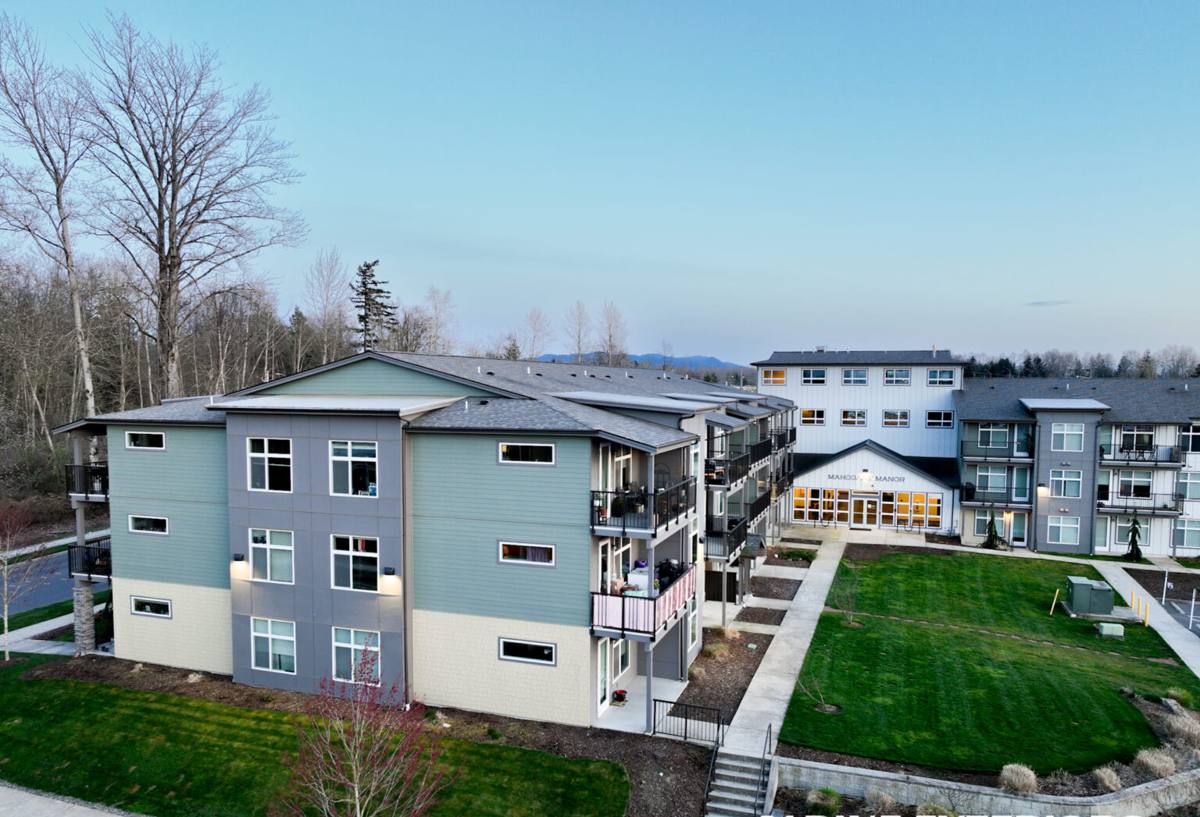
What Salt Air, Driving Rain, and Moss Actually Do to Siding
Salt Air
Airborne salt from Birch Bay doesn't just sit on the surface — it works into seams, fastener heads, and any spot where paint has thinned or cracked. On wood-based products, that moisture-salt combination accelerates rot at the exact points that are hardest to inspect: butt joints, corners, and anywhere caulking has failed.
Driving Rain
Rain that comes in sideways off the water finds every gap a standard installation might get away with elsewhere. Lap siding needs correct overlap and flashing details specifically because wind-driven rain doesn't respect the assumption that water only ever falls down.
Moss and Algae
Western Washington's long wet season, combined with shade from trees and neighboring structures, gives moss and algae months to establish themselves on any siding surface that stays damp. Porous or absorbent siding materials give moss something to grip into; a hard, factory-finished surface gives it much less to hold onto and makes cleaning far less destructive when you do need to knock it back.
Why James Hardie Fiber Cement Is Built for This
James Hardie siding is fiber cement — a mix of cement, sand, and cellulose fibers pressed and cured into a rigid, dimensionally stable board. It doesn't absorb water the way wood-based products do, it won't rot, and it's non-combustible, which matters given how many Birch Bay properties sit close to neighboring homes or have wood decks and fences nearby.
For this region, we specify Hardie's HZ5 formulation, engineered specifically for climate zones with significant moisture exposure like ours. It's manufactured to resist the swelling, cracking, and moisture intrusion that plague wood and OSB-based siding in wet marine climates. Combined with the ColorPlus factory finish — a baked-on coating applied under controlled conditions rather than field-painted on site — you get a color layer that resists fading, chipping, and the kind of chalking that salt air speeds up on standard paint jobs.
This is also why we don't install LP SmartSide, vinyl, or cedar on homes in this area. Wood-based composites can perform well in drier climates, but a wet marine environment stacks the odds against them — swelling at cut edges, fastener corrosion, and paint failure show up faster here than almost anywhere else in the state. Vinyl doesn't rot, but it flexes, fades, and can crack in cold snaps, and it doesn't hold up structurally the way a rigid cement board does in high wind. We standardized on Hardie because it's the product that consistently performs under exactly the conditions Cottonwood Beach delivers.
Choosing the Right Hardie Product for a Bay-Front Home
Not every Hardie product is the right fit for every house, and part of doing this correctly is matching the profile to the home's exposure, style, and existing details.
| Product | Best For | Notes for Cottonwood Beach |
|---|---|---|
| HardiePlank Lap Siding | Most home styles, classic horizontal look | Most common choice here; needs correct overlap and flashing on wind-exposed elevations |
| HardiePanel Vertical Siding | Modern or mixed-material facades, accent walls | Works well paired with lap siding on gables or entry features |
| HardieShingle | Cottage or craftsman-style homes | More detail work at joints; still holds up far better than cedar shingle in salt air |
| HardieTrim | Fascia, corner boards, window/door trim | Pairs with any siding profile; keeps trim from becoming the weak point |
We walk through these options with homeowners based on the home's existing lines, sun and wind exposure on each elevation, and personal preference — there's rarely one "correct" answer, but there is usually a best fit.
What a Correct Installation Actually Involves
James Hardie siding performs the way it's engineered to only when it's installed to spec. A rushed or generic install undermines the product's own advantages, and on an exposed site like Cottonwood Beach, shortcuts show up as problems within a few wet seasons instead of a decade or more.
Key details we don't skip
- Proper rain screen or drainage plane behind the siding so any moisture that does get past the surface has somewhere to go
- Correct fastener type, spacing, and depth — Hardie is unforgiving of over-driven or under-driven nails
- Flashing at every window, door, and horizontal trim transition, not just at the obvious spots
- Minimum clearance from grade, decks, and roof lines so siding isn't sitting in standing moisture
- Correctly caulked and sealed joints using products compatible with Hardie's finish
- Field-cut edges primed or sealed before installation, since raw cut edges are the most vulnerable point on any fiber cement board
Every one of these is a place where a generic crew, or one that mostly works inland, might cut a corner that doesn't matter much in a drier neighborhood but matters a great deal a few hundred feet from the water.
Our Process on a Cottonwood Beach Project
We start with an on-site assessment of the existing wall assembly — what's underneath the current siding matters as much as what goes over it. If there's hidden moisture damage or a missing drainage plane, that gets addressed before new siding goes up, not covered over. From there, we handle removal of the old siding, repair of any sheathing or framing issues we find, installation of the drainage plane and flashing system, and then the Hardie siding itself, followed by trim and caulking.
We also do a final walk-through with the homeowner before we consider the job finished, checking sightlines, joint work, and paint touch-up at any field cuts. On a home this close to the water, we'd rather catch a detail on our own punch list than have it show up as a callback after the first big autumn storm off the bay.
Maintenance in This Climate
James Hardie siding is genuinely low-maintenance compared to wood or vinyl, but "low-maintenance" doesn't mean "no-maintenance," especially at Cottonwood Beach. A little seasonal attention goes a long way toward protecting the investment.
- Rinse siding periodically with a garden hose to clear salt residue, especially on the water-facing elevation
- Keep gutters and downspouts clear so runoff isn't sheeting down the siding face
- Trim back vegetation and tree limbs that keep siding shaded and damp longer than necessary
- Address any moss or algae growth early with a gentle wash rather than letting it establish
- Inspect caulking at trim joints and window surrounds annually and re-caulk if it's cracked or pulling away
- Touch up any chipped paint at field cuts or accidental impact points promptly
Why Local Installation Experience Matters Here
Cottonwood Beach isn't a generic subdivision — it's a specific microclimate within Birch Bay, and a crew that has actually installed siding on this stretch knows which elevations catch the worst of the wind, where moss tends to establish first, and how much clearance and flashing detail this exposure really calls for. That's different from crews that mostly work drier, more sheltered parts of Whatcom County and treat every job the same way. Hiring a contractor with hands-on experience in this specific neighborhood means fewer surprises during installation and a better chance the siding performs the way it's supposed to for the long haul.
Get a Free, No-Pressure Estimate
If your Cottonwood Beach home is due for new siding, or you're seeing early signs of moisture damage, moss buildup, or failing paint on what's there now, we're happy to take a look. There's no cost and no pressure — just an honest assessment of what your home needs and what a correct James Hardie installation would involve. Use the form below to request your free estimate.