 Birch Bay Siding
 Why Lynden Homes Need Windows Built for This Climate
Lynden sits inland from the water, but it doesn't escape what makes window work in Whatcom County different from most of the country. The same marine air and driving rain that hit Birch Bay push inland across the flats around Lynden, and winters here mean long stretches of gray, damp weather where surfaces rarely get a chance to fully dry out. That combination is hard on windows in ways that aren't always obvious until a frame starts failing from the inside.
Add in the long moss season common to this part of the county — moss and algae thrive anywhere shaded and slow to dry, including window sills, trim, and the caulk lines around a frame — and you've got a climate that punishes any window installed without real attention to flashing, drainage, and sealant detail. A window that's fine in a drier climate can fail here in a fraction of the time if it wasn't installed correctly the first time.
Custom windows aren't about looks alone. In Lynden, "custom" should mean the window and the installation are matched to the specific wall assembly, siding type, and exposure of that particular house — not a one-size-fits-all unit dropped into an opening and caulked around the edges.
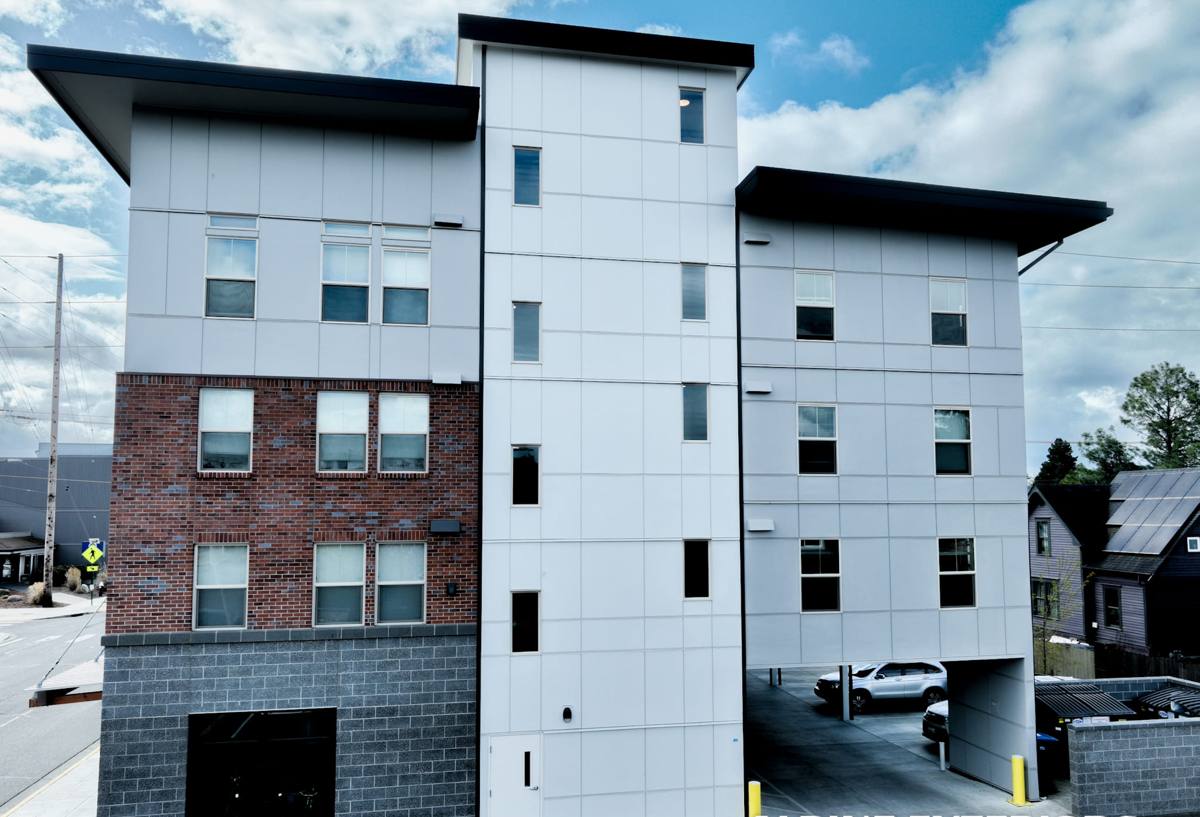
What "Custom" Actually Means for a Window Job
Sized and Built for the Actual Opening
Older Lynden homes, especially farmhouses and homes built before standardized window sizing became common, often have openings that don't match any off-the-shelf size. Custom windows are manufactured to the exact rough opening rather than forcing the opening to fit a stock size, which usually means less framing surgery and a tighter, better-performing final fit.
Matched to the Wall Assembly
How a window ties into the wall depends on what's around it — siding type, existing house wrap or building paper, sill condition, and whether there's a water table or trim detail to work around. A custom approach means the installer plans the flashing sequence around what's actually there instead of using the same generic method on every job.
Chosen for the Exposure
A window on the weather side of a house, facing prevailing wind and rain, needs different sealant and flashing attention than one tucked under an eave on a sheltered wall. Treating every opening the same is one of the most common ways window jobs fail early in this climate.
Signs Your Current Windows Are Failing
Most window failures in this region show up slowly, as small signs before they become bigger problems. Worth checking before you decide whether you need repair, replacement, or just better maintenance:
- Fogging or condensation between panes on a double- or triple-pane window (a sign the seal has failed)
- Soft or discolored wood at the sill or bottom corners of the frame
- Visible gaps or cracked caulk where the frame meets the siding or trim
- Moss or dark green growth building up on the sill or in corners that never seem to dry
- Drafts you can feel near the frame on a windy day
- Difficulty opening, closing, or locking a window that used to operate smoothly
- Peeling paint or bubbling finish on interior trim near the window
- Water staining on interior drywall or trim below or beside the window
Any one of these on its own might just need attention. Several at once, especially soft wood or interior staining, usually points to a flashing or sealing problem behind the window rather than something you can fix by re-caulking the outside.
Material and Frame Options
There's no single "best" window material — the right choice depends on the home, the budget, and how much upkeep the owner wants to take on. Here's how the common options compare for a wet, marine climate like this one:
| Frame Material | Moisture Performance | Maintenance | Typical Fit |
|---|---|---|---|
| Vinyl | Good — won't rot, low water absorption | Low — occasional cleaning | Budget-conscious replacements, rental properties |
| Fiberglass | Very good — dimensionally stable, resists warping | Low | Homes wanting durability without wood upkeep |
| Wood (clad exterior) | Good if detailed correctly — exterior cladding protects the wood core | Moderate — interior wood may need periodic finish work | Historic or traditional-style homes wanting a wood interior look |
| Solid wood (uncladded) | Poor without diligent upkeep — most vulnerable to this climate | High — regular painting/sealing required | Restoration work matching an original design |
| Aluminum | Fair — conducts cold and can condensate without thermal breaks | Low | Less common for residential in this climate |
We're generally cautious about recommending uncladded solid wood frames on exposed walls in Whatcom County. It's not that wood windows are a bad product — it's that they demand a maintenance schedule most homeowners don't keep up with, and this climate doesn't forgive gaps in that upkeep. If a homeowner wants the wood look and is committed to the maintenance, we'll install it correctly. If low upkeep matters more, we'll say so honestly.
The Installation Process That Actually Keeps Water Out
Flashing Comes Before the Window
The single biggest factor in whether a window leaks in five years isn't the window brand — it's whether the flashing was installed correctly before the window ever went in. Sill pan flashing, properly lapped house wrap, and correctly sequenced flashing tape around the rough opening are what actually stop water from getting behind the wall, not the caulk bead you see from outside.
The Window Goes In Level, Plumb, and Properly Shimmed
A window that isn't shimmed correctly will operate poorly and can stress the frame over time, which opens gaps for water and air. This is a step that's easy to rush and hard to notice once trim is back on — which is exactly why it matters who's doing the work.
Sealant Is the Last Line of Defense, Not the First
Exterior sealant should back up correct flashing, not substitute for it. We use sealants rated for the exposure and movement of the specific installation, and we don't rely on caulk alone to do a flashing detail's job.
Interior Air Sealing Matters Too
Gaps around the frame on the interior side let conditioned air escape and can contribute to condensation problems inside the wall cavity. A complete job seals both sides — not just what's visible from the street.
Common Mistakes We See in Whatcom County Window Jobs
A lot of window problems we get called out to inspect trace back to a handful of recurring issues from past installations:
- Caulk used as a substitute for proper flashing instead of a backup to it
- House wrap or building paper cut but not re-lapped correctly around the new opening
- No sill pan flashing, leaving the bottom corner — the most vulnerable spot on any window — unprotected
- Stock-size windows forced into openings that needed custom sizing, leaving oversized gaps packed with insulation and hoping for the best
- Trim reinstalled without checking the condition of the sheathing or framing underneath first
None of these show up on install day. They show up two, five, or ten winters later, which is exactly why the quality of the install matters more than almost anything else about the window itself.
Timeline and What to Expect
For a straightforward residential window replacement job in Lynden, most projects run a single day to a few days depending on how many openings are involved and whether any hidden rot repair turns up once the old window comes out. We'll always tell you before covering anything back up if we find sheathing or framing damage that needs attention — that's not an upsell, it's the difference between a job that lasts and one that doesn't.
Weather matters for scheduling more here than in drier climates. We plan window replacements around forecasted dry windows where possible, since an opening should never sit exposed to rain longer than necessary during a swap.
Why Hire a Crew That Already Works in Lynden
A contractor who works regularly in this part of Whatcom County has already seen how the local wet season, wind exposure, and moss growth affect window installs over time — not in theory, but in the callbacks and repairs that come from doing it wrong the first time. That local experience shows up in the small decisions on install day: which flashing sequence to use on a given siding type, how much slope to build into a sill, and which exposures need extra sealant attention versus which don't.
It also matters for warranty follow-through. A crew that's based nearby and plans to keep working in this area has a real incentive to get the flashing and sealing right the first time, because they're the ones who'll be back out if it fails.
If your Lynden home has windows showing any of the wear signs above, or you're planning ahead for a full window replacement, we're happy to take a look and give you a straightforward assessment. Reach out for a free, no-pressure estimate using the form below — there's no obligation, and we'll tell you honestly what your windows actually need.