 Birch Bay Siding
 Siding Repair Built for Whatcom County Weather
Homes in and around Lynden deal with a specific kind of wear that homeowners in drier climates never have to think about. Whatcom County sits under a steady pattern of driving rain for much of the year, humidity that lingers in the valley, and long stretches of overcast, damp conditions that give moss and algae plenty of time to take hold on north-facing walls and shaded siding runs. Add in the salt-laden air that moves inland off the Salish Sea near Birch Bay, and you get siding that ages faster than the manufacturer's glossy brochure ever suggested it would.
Siding repair here isn't just about patching a crack or replacing a broken board. It's about understanding how water, moisture vapor, and organic growth interact with whatever material is on the wall, and fixing the problem so it doesn't come back with the next wet season. That's the standard we hold every repair to.
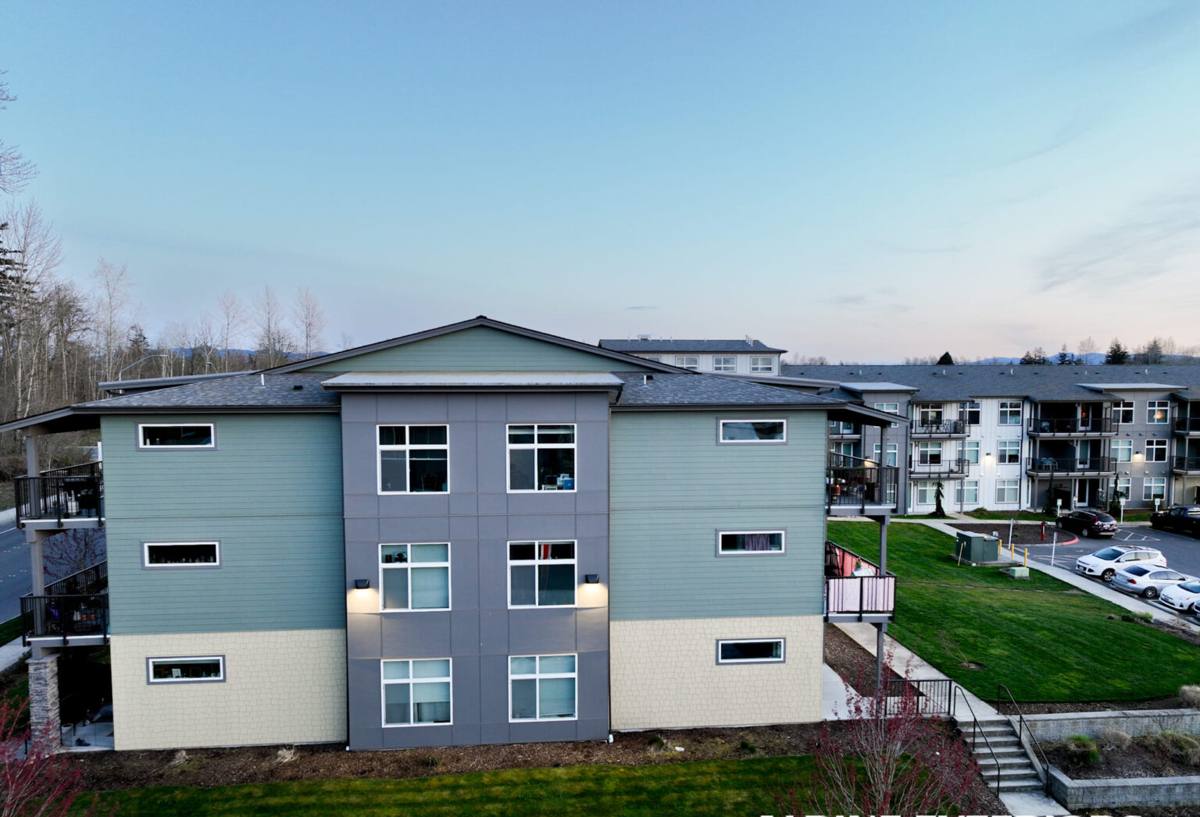
What "Repair" Actually Means
Not every siding problem needs a full re-side. A proper repair starts with figuring out whether the damage is cosmetic, functional, or a symptom of something happening behind the siding that you can't see from the driveway. Those are three different jobs, and treating them the same way is how homeowners end up paying twice.
Cosmetic Damage
Fading, chalking, minor scuffs, or surface staining from moss and algae. This affects curb appeal but not the wall's ability to keep water out. It's the easiest and least expensive category to address, but it's also where a lot of repair work gets sold that isn't actually needed.
Functional Damage
Cracked boards, impact damage, warping, loose or missing pieces, and failed caulk joints. These are entry points for water and need to be corrected before the next heavy rain, not scheduled for "sometime this year."
Hidden Damage
Soft spots, bulging, or staining that suggests moisture has already gotten past the siding and into the sheathing or framing. This is the category that turns a simple repair into a bigger scope of work, and it's exactly why an honest inspection matters more than a quick patch job.
Common Damage We See on Lynden-Area Homes
- Moisture intrusion at seams and joints — caulk breaks down over years of freeze-thaw and constant dampness, opening a path for water behind the siding
- Moss and algae staining — especially on shaded, north- and west-facing walls, tree lines, and areas with poor airflow
- Cracked or split boards — from age, impact, or (on wood-based products) moisture swelling and contracting over repeated wet-dry cycles
- Warping and buckling — a common failure mode on engineered wood and some composite products when moisture gets past the factory coating
- Fastener failure — nails or screws that back out, rust, or were placed incorrectly during the original install
- Impact damage — storm debris, ladders, landscaping equipment, or falling branches
- Trim and transition failure — around windows, doors, and roof lines, where water intrusion most often starts
What a Correct Repair Involves
Diagnosis Before Demolition
Before anything gets pulled off the wall, we look at what's actually happening — is this isolated damage, or a sign of a systemic moisture problem? We check the surrounding boards, the flashing details, and the condition of the water-resistive barrier where it's exposed. Pulling one bad board and reinstalling it without understanding why it failed is how the same repair gets redone in three years.
Matching Material and Profile
A repair that doesn't match the existing siding's exposure, profile, and finish stands out immediately and can also create water-management problems at the transition. For homes with James Hardie fiber cement, this means matching board width, texture, and ColorPlus finish so the repair is structurally sound and visually seamless. For homes with older or discontinued products, matching can be harder — which is a factor worth discussing honestly before repair work begins.
Correct Fastening and Flashing
Every repair is only as good as the flashing and fastening behind it. Butt joints, corners, and penetrations (hose bibs, light fixtures, vents) are common failure points, and doing them right the second time matters more than doing them fast.
Sealing Without Trapping Moisture
Caulk and sealant have a place, but they're not a substitute for correct flashing and lap details. Over-caulking can trap moisture behind siding instead of letting it drain and dry, which is a mistake we see from repairs done in a hurry.
Repair vs. Full Replacement
One of the most common questions we get on a repair call is whether it's worth fixing the damaged section or replacing the wall. There's no single right answer — it depends on the extent of the damage, the age and condition of the surrounding siding, and what's driving the problem in the first place.
| Factor | Repair Usually Makes Sense | Replacement Usually Makes Sense |
|---|---|---|
| Extent of damage | Isolated to a few boards or one area | Spread across multiple walls or elevations |
| Underlying cause | One-time impact or localized caulk failure | Systemic moisture intrusion or original install defects |
| Age of siding | Siding is otherwise in good condition | Siding is near or past its expected service life |
| Material match | Matching material is available | Product is discontinued or no longer manufactured |
| Sheathing condition | Sheathing and framing are dry and sound | Rot or moisture damage found behind the siding |
We'll always tell you honestly which side of that table your situation falls on. If a repair is the right call, that's what we'll recommend and price. We don't upsell a full re-side when a targeted fix will hold.
Our Process for Lynden Siding Repairs
- Inspection and diagnosis — we walk the exterior, identify every problem area, and check for signs of moisture behind the siding, not just what's visible on the surface
- Honest scope and estimate — a written explanation of what needs repair, why, and what it will cost, with repair and replacement options laid out clearly if both apply
- Material sourcing — matching product, profile, and finish so repaired sections blend with the rest of the home
- Removal and inspection of what's behind the siding — a chance to catch and address any hidden moisture or sheathing issues before they're sealed back up
- Correct reinstallation — proper flashing, fastening, and sealing to manufacturer specifications
- Final walkthrough — so you know exactly what was done and why
Why We Only Repair and Install James Hardie Fiber Cement
We've made a deliberate choice not to install vinyl, LP SmartSide, primed spruce, cedar, or other fiber cement brands. It's not that every one of those products is without merit — it's that after years of repair calls in this exact climate, the pattern is consistent: engineered wood products are highly sensitive to installation quality and ongoing moisture exposure, vinyl can crack and fade in ways that are difficult to blend when repaired, and cedar and primed wood require a level of ongoing maintenance that most homeowners don't sign up for when they picture "low-maintenance siding."
James Hardie fiber cement is non-combustible, holds its factory ColorPlus finish far longer than field-applied paint, and is engineered specifically for wet Pacific Northwest conditions through its HZ5 product line. When we repair Hardie siding, we're working with a material that behaves predictably — it doesn't swell, warp, or absorb water the way wood-based products can, which makes a clean, lasting repair far more achievable. If your home currently has a different siding product and the damage points toward a bigger, ongoing moisture problem, we'll say so plainly, and we'll explain why Hardie is what we'd put back on the wall.
Why a Crew That Already Works in Lynden Matters
Siding repair isn't generic work. A crew that's already spent time on homes throughout this part of Whatcom County has seen how the local weather pattern actually plays out on a wall over years — which elevations take the worst of the wind-driven rain, where moss builds up fastest, and which original installation shortcuts tend to fail first in this climate. That local pattern recognition is the difference between a repair that's cosmetically fine for a season and one that actually solves the problem.
It also matters for something more practical: availability. A contractor who works this area regularly can get to a damaged wall before the next storm makes it worse, and can source matching material without the delays that come from unfamiliar suppliers.
Signs Your Siding Needs a Professional Look
- Visible cracks, splits, or gaps in siding boards
- Soft or spongy spots when pressed gently
- Peeling, bubbling, or chalking paint or finish
- Persistent moss, algae, or dark staining that returns after cleaning
- Warping, buckling, or boards that no longer sit flat
- Gaps or cracking in caulk around windows, doors, or trim
- Musty odors or visible staining on interior walls near exterior siding
- Fasteners that are visibly backing out or rust-streaking the siding
Get an Honest Look at Your Siding
If you're noticing damage, staining, or wear on your home's siding, it's worth getting an honest, no-pressure assessment before the problem grows into something bigger. We'll walk the exterior, tell you plainly what we find, and lay out your options — repair or replacement — without pushing you toward more work than the situation calls for. Use the form below to request a free estimate.