 Birch Bay Siding
 Window Installation Built for Marietta's Coastal Climate
Marietta sits right up against the water in Whatcom County, close enough to Birch Bay and the Strait of Georgia that the weather off the Salish Sea reaches every window on the house. Homes here take a different kind of beating than houses twenty miles inland: salt-laden air pits and corrodes hardware, wind-driven rain finds its way into any gap in the flashing, and the long gray stretch of fall through spring keeps everything damp long enough for moss and mildew to take hold. Windows are one of the first places that shows up.
We install windows in Marietta and the surrounding Birch Bay area regularly, and the failures we get called out for are rarely dramatic. They're slow — a seal that's been degrading for years, a sill that's been soaking up water a little at a time, a frame that never quite dried out between one winter storm and the next. Getting the installation right the first time, with materials suited to this specific climate, is what keeps that slow failure from happening at all.
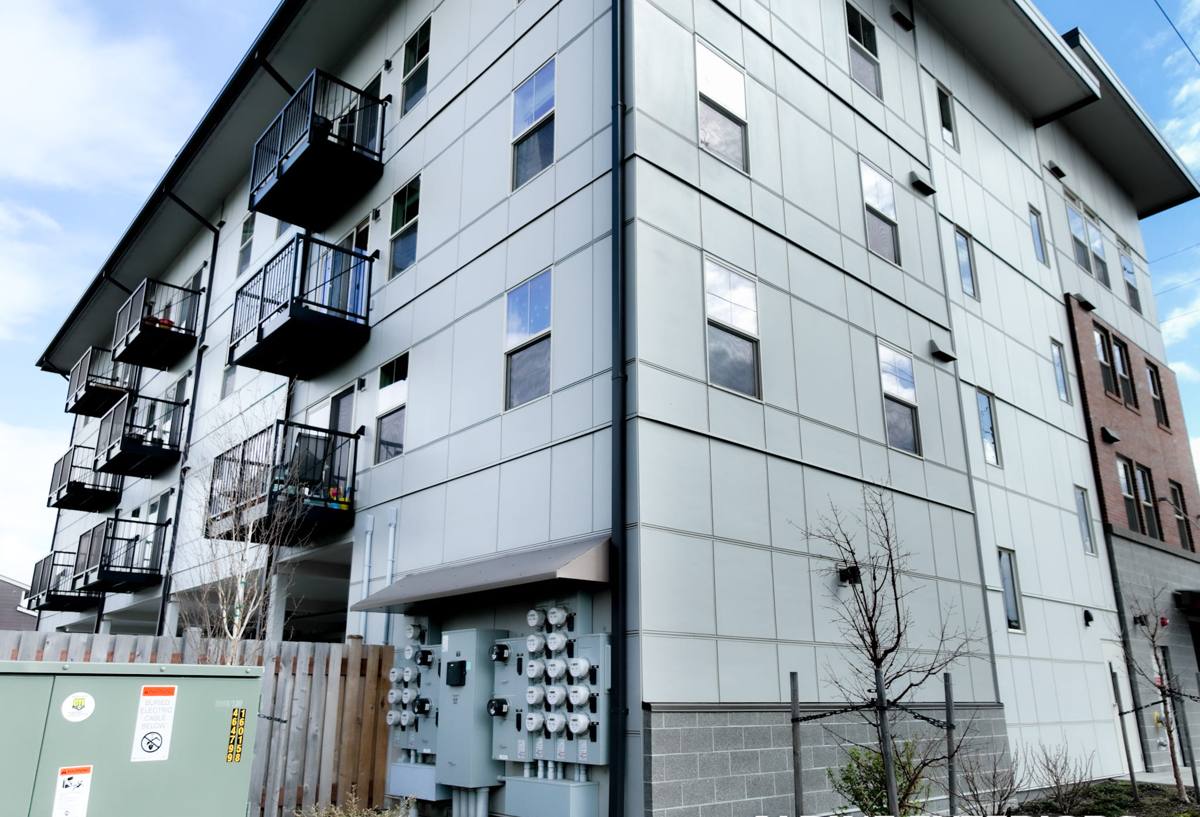
What Salt Air, Rain, and Moss Actually Do to Windows
Salt Corrosion
Airborne salt from the water settles on everything, including window hardware, screen frames, and exposed fasteners. Over years, it accelerates corrosion on lower-grade metal components — hinges stick, locks stiffen, and aluminum cladding can pit and discolor. It's a slow process, but it's constant, and it's one of the reasons material choice matters more here than it would for a home thirty miles inland.
Driving Rain and Wind-Driven Water
Storms coming off the water don't just fall straight down — wind pushes rain sideways into the wall assembly, testing every seam around a window opening. A window that would perform fine in a calm climate can leak here if the flashing and sealant details weren't built for wind-driven water specifically. Most leaks we find didn't come from a bad window unit; they came from water finding a path around it.
Moss and Sustained Moisture
Whatcom County's long wet season means anything that stays damp for extended periods becomes a place for moss, algae, and mildew to grow — window sills, the top edges of trim, and shaded north-facing walls in particular. That growth holds moisture against wood and painted surfaces even longer, which speeds up rot in sills and casings that aren't properly sealed or flashed.
Signs a Marietta Home Needs New Windows
Some of these show up gradually enough that homeowners get used to them before recognizing they're a problem. Worth checking for:
- Visible gaps, soft spots, or discoloration in the wood sill or casing around a window
- Condensation forming between the panes of a double- or triple-pane window (a sign the seal has failed)
- Windows that are difficult to open, close, or lock — often a sign of frame swelling or hardware corrosion
- A draft you can feel near a closed window on a windy day
- Moss or dark staining building up on the sill or lower trim
- Rising heating bills without another clear explanation
- Peeling or bubbling paint on interior trim near the window frame
None of these on their own means a window needs to be replaced immediately, but a few of them together — especially rot or persistent moisture — usually mean the window opening is no longer managing water the way it should.
Choosing Window Materials That Hold Up Locally
Every window material on the market will work somewhere. The question for a Marietta home is how it handles salt exposure and sustained moisture over the long run. Here's how the common options compare for this specific climate:
| Material | Salt Air Performance | Moisture Resistance | Maintenance |
|---|---|---|---|
| Vinyl | Very good — won't corrode or pit | Good, doesn't absorb water | Low — occasional cleaning |
| Fiberglass | Excellent — highly stable in salt exposure | Excellent | Low |
| Aluminum | Fair — prone to pitting and corrosion over time near salt water | Good if properly finished | Moderate, watch for corrosion at hardware points |
| Wood / Wood-clad | Fair to good depending on cladding and finish | Requires diligent sealing and upkeep | High — repainting, resealing on a schedule |
We don't push one material on every homeowner — budget, look, and the specific exposure of a given wall all factor in. But for walls that take direct wind and salt spray, vinyl and fiberglass consistently outperform bare aluminum and unclad wood, and we'll say so plainly rather than sell whatever's convenient.
What a Correct Installation Actually Involves
Flashing and Water Management
The window unit itself is only part of the system. What actually keeps water out is the flashing — the layered barrier of tape, membrane, and drip caps that route water around the opening and out, rather than into the wall cavity. In a climate with regular wind-driven rain, sloppy flashing is the single most common cause of the leaks we get called to fix, and it's invisible once the trim goes back on. This is where a rushed installation shows up years later as rot nobody can see until it's serious.
Sealing and Insulation
Around the window frame, the gap between the unit and the rough opening needs to be insulated and air-sealed correctly — not overpacked with expanding foam, which can bow the frame, and not left with gaps, which lets in drafts and moisture. Exterior sealant beads need to be continuous, compatible with the siding material, and applied in conditions where they'll actually cure properly.
Fit and Structural Integrity
A window needs to be plumb, level, and square in the opening, shimmed correctly, and fastened per the manufacturer's specifications — not just for smooth operation, but because an out-of-square frame stresses the seals and glass over time, which shortens the life of the whole unit. It's the kind of detail that's easy to rush and hard to notice until the window starts sticking or leaking a few years down the road.
Energy Performance Ratings
Every window sold in the U.S. carries an NFRC label listing its U-factor and solar heat gain coefficient. For a Marietta home, U-factor matters more than solar heat gain — the Pacific Northwest doesn't get the intense summer sun that makes solar control the top priority in warmer climates, but our winters are long, damp, and windy, and a low U-factor is what keeps that cold, wet air from making the glass and frame feel drafty from across the room. Look for a U-factor suited to the Northern climate zone rather than assuming a higher price automatically means better performance for our conditions, and ask to see the actual rating rather than taking a salesperson's word for it.
Our Window Installation Process
- On-site assessment. We look at each window opening individually — existing framing condition, current signs of water damage, sun and wind exposure on that particular wall.
- Material and product selection. We walk through options suited to the home's exposure and the homeowner's budget, without steering toward whatever's easiest to install.
- Removal and opening inspection. Once the old window comes out, we check the framing underneath for rot or moisture damage before anything new goes in — this is often where a problem gets caught early instead of getting sealed back up.
- Flashing and installation. Proper flashing sequence, correct shimming and fastening, and air sealing done to manufacturer spec.
- Exterior finish work. Trim, caulking, and touch-up so the new window integrates cleanly with the existing siding and paint line.
- Final check. Operation, seal, and weatherproofing confirmed before we call the job done.
Cost Factors to Expect
Window replacement pricing varies with the specifics of the job, but the main cost drivers are consistent from house to house:
| Factor | How It Affects Cost |
|---|---|
| Window material | Vinyl is typically the most affordable; fiberglass and wood-clad cost more upfront |
| Number of panes | Triple-pane costs more than double-pane but improves insulation and condensation resistance |
| Window size and style | Larger units and specialty shapes (bays, picture windows) cost more than standard sizes |
| Existing damage | Rot or framing repair found during removal adds cost beyond a straightforward swap |
| Number of windows | Whole-house replacement typically brings a better per-window rate than one-off jobs |
We give a firm, written estimate after seeing the actual openings — not a phone quote — because the condition of the existing framing is often the biggest variable, and it's not something we can judge accurately without looking.
Why a Crew That Already Works in Marietta Matters
A window installer who works this stretch of Whatcom County regularly already knows which walls take the worst of the wind and salt spray, which older homes in the area tend to have outdated aluminum-frame windows original to the house, and what flashing details actually hold up through a full winter of driving rain — not just what looks right on installation day. That local pattern recognition is hard to replace with a generic install crew working from a standard checklist.
It also means we're a short drive away if a question comes up after the job is done, and we're not learning the local climate on your house.
Caring for New Windows After Installation
New windows installed correctly need very little upkeep, but a few habits extend their life in this climate specifically:
- Rinse salt residue off exterior frames and hardware periodically, especially after storms
- Keep gutters and nearby drainage clear so water isn't pooling against window walls
- Check exterior caulking annually and touch up any cracking before it lets water in
- Clear moss or algae buildup from sills promptly rather than letting it sit
- Operate locks and hardware periodically through the year so corrosion doesn't set in unnoticed
If you're weighing whether it's time to replace windows on a Marietta home, we're happy to take a look and give you a straight answer — no pressure, no upsell. Fill out the form below for a free estimate.