 Birch Bay Siding
 Roofing Built for Sumas, Not a Generic Climate
A new roof in Sumas has to answer to a specific set of conditions: long stretches of driving rain off the water, salt-laden air that works its way into fasteners and flashing over time, and a moss season that can run most of the year in shaded, north-facing sections of a roof. None of that is exotic weather, but it is relentless. A roof system that would hold up fine in a drier inland climate can start showing problems here in half the time if it wasn't built with this specific combination in mind.
This page covers new roof installation specifically for homes in the Sumas area — what the local climate demands, what a correctly installed roof actually involves, how our process works from tear-off to final inspection, and why it matters to hire a crew that already knows how roofs fail in Whatcom County.
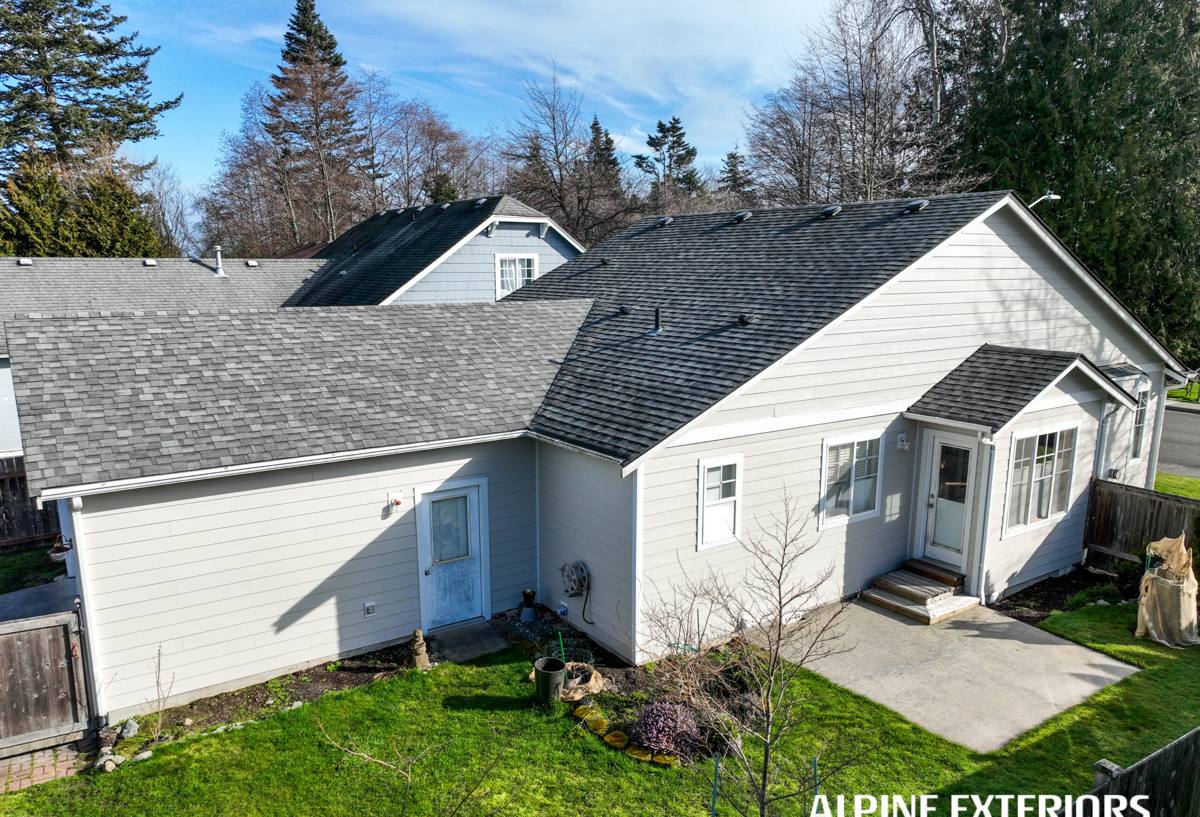
How Whatcom County Weather Wears Down a Roof
Driving Rain and Wind-Driven Moisture
Rain in this region rarely falls straight down. Wind off the water pushes it sideways and underneath roofing materials at valleys, eaves, and any place two roof planes meet. A roof that only accounts for water running downhill will eventually let water in at these pressure points. Correct installation treats every seam, valley, and penetration as a place water is actively trying to get past, not just an aesthetic detail.
Salt Air and Metal Fatigue
Homes closer to Birch Bay and the surrounding coastline deal with airborne salt that accelerates corrosion on exposed metal — nails, flashing, vents, and fasteners. Even homes further inland get some of this exposure carried on prevailing winds. Over years, ungalvanized or lower-grade fasteners can corrode, loosen, and lose their grip on shingles or panels long before the roofing material itself wears out.
Moss, Shade, and Slow-Drying Roof Sections
Sumas sits under enough tree cover and cloud cover that shaded roof slopes often stay damp for days after a storm. That moisture is exactly what moss needs to establish. Once moss takes hold, it holds water against the roofing surface, works its root structure under shingle edges, and speeds up granule loss and wood rot underneath. A roof designed with this in mind uses the right materials, slope detailing, and airflow to dry out faster instead of staying wet.
Signs a Sumas Home Needs Replacement, Not Another Repair
Not every roof problem calls for full replacement, but there's a point where patching stops making financial sense. Common signs we look for on local homes include:
- Shingles that are cupping, curling, or missing granules across large sections rather than one isolated spot
- Moss or algae streaking that keeps returning within a season or two of cleaning
- Soft spots or visible sagging in the roof deck when walked or inspected from the attic
- Daylight visible through the roof boards from inside the attic
- Water stains on interior ceilings or in the attic that appear after wind-driven rain specifically
- Flashing around chimneys, skylights, or vent pipes that's rusted, lifted, or was never properly sealed
- A roof that's past 20–25 years old for asphalt shingle, even if it looks intact from the ground
If a roof is showing two or three of these at once, repair costs tend to add up fast without solving the underlying issue, and replacement becomes the more honest recommendation.
What a Correct New Roof Installation Actually Involves
Full Tear-Off and Deck Inspection
We don't install new roofing over old layers. A full tear-off lets us inspect the actual roof deck for soft spots, rot, or delamination that would otherwise get sealed under a new roof and cause problems within a few years. Any damaged decking gets replaced before anything else happens — this is the step that gets skipped by crews trying to move fast, and it's the one that determines whether the roof lasts.
Underlayment and Water-Resistive Barrier
Given how much wind-driven rain this area sees, underlayment choice matters more here than in drier climates. Synthetic underlayment or a self-adhered ice-and-water membrane at eaves, valleys, and low-slope transitions gives the roof a second line of defense if wind pushes water past the shingles themselves.
Flashing at Every Penetration
Chimneys, skylights, vent pipes, and sidewall intersections are where the majority of roof leaks actually originate — not the open field of shingles. Correct flashing means step flashing at walls, proper counterflashing, and sealants rated for this climate rather than generic caulk that dries out and cracks within a couple of seasons.
Ventilation and Attic Airflow
A roof that can't breathe traps moisture underneath it, which speeds up deck rot and gives moss and mildew a head start from the inside out. Balanced intake at the eaves and exhaust at the ridge keeps air moving, helps the roof dry faster after storms, and reduces the swing in attic temperature that shortens shingle life.
Fasteners and Hardware
Given the salt exposure common in this part of Whatcom County, we use corrosion-resistant fasteners and hardware rather than the cheapest available option. It's a small cost difference at installation and a significant difference in how the roof holds up after ten or fifteen years of coastal weather.
Roofing Material Options for This Climate
There isn't one right answer for every home — budget, roof pitch, and how the house looks all factor in. Here's how the common options compare for a Sumas property specifically:
| Material | Moisture & Moss Resistance | Typical Lifespan Here | Maintenance Burden |
|---|---|---|---|
| Architectural asphalt shingle | Good with proper ventilation; algae-resistant granules recommended | 20–30 years | Periodic moss/algae treatment on shaded slopes |
| Standing seam metal | Excellent shedding of water; sheds moss well due to smooth surface | 40–50+ years | Low, but fastener and coating quality matter near salt air |
| Composite/synthetic shake | Good; resists moisture absorption better than wood | 30–40 years | Moderate; periodic inspection of seams |
| Cedar shake (natural wood) | Requires diligent maintenance in damp, shaded conditions | 20–25 years with upkeep | High — regular treatment needed to resist moss and rot |
We'll walk through these options against your home's actual slope, sun exposure, and budget rather than defaulting to one product for every roof — a heavily shaded, low-slope roof has different needs than a steep, sun-exposed one even on the same street.
Our Installation Process, Start to Finish
- On-site inspection and estimate. We assess the current roof, attic ventilation, and any problem areas, and give you a written estimate with material options.
- Material selection. We go over the trade-offs for your specific roof — pitch, shade exposure, and how much upkeep you're willing to take on.
- Scheduling around weather. Given how much rain this region gets, we plan installation windows carefully and stage materials so exposed decking isn't left open to weather overnight.
- Tear-off and deck repair. Old roofing comes off completely and the deck is inspected and repaired as needed before anything new goes down.
- Underlayment and flashing installation. Water-resistive barrier, ice-and-water membrane where needed, and flashing at every penetration and transition.
- Roofing material installation. Installed to manufacturer specification, including proper nailing pattern and exposure — details that directly affect wind and moss performance later.
- Ventilation check. Intake and exhaust airflow confirmed and corrected if the existing setup was inadequate.
- Final walkthrough and cleanup. We inspect the completed roof with you, address any questions, and make sure the site is cleared of debris and stray fasteners.
Cost Factors for a New Roof in Sumas
Exact pricing depends on the home, but the biggest factors that move the number up or down are consistent across most local projects:
| Factor | Why It Matters |
|---|---|
| Roof size and number of planes | More squares and more valleys/hips mean more material and labor |
| Existing deck condition | Rot or soft decking found during tear-off adds repair cost before new roofing goes on |
| Material choice | Asphalt, metal, and composite options carry different material and labor costs |
| Roof pitch and access | Steep or hard-to-access roofs take longer and require additional safety setup |
| Ventilation upgrades | Adding proper intake/exhaust venting where none existed adds a modest cost but pays off in roof lifespan |
| Layers to remove | Roofs with multiple existing layers take longer to tear off than a single-layer roof |
We give a firm, itemized estimate before work starts so you know what's driving the cost on your specific roof — no vague allowances that turn into surprises partway through the job.
Why a Crew That Already Works in Sumas Makes a Difference
Roofing crews that work across a lot of different climates tend to build to a generic standard. A crew that regularly works Whatcom County roofs already knows which shaded north slopes are going to grow moss fastest, which fastener grades hold up against the salt air coming off the water, and which flashing details actually stop wind-driven rain instead of just looking correct on installation day. That local pattern recognition shows up in fewer callbacks and a roof that performs the way it's supposed to through its first few real storm seasons, not just on a dry day during installation.
It also matters for permitting and code familiarity — knowing what the local jurisdiction expects for ventilation ratios, ice barrier requirements, and inspection timing keeps the project moving instead of stalling on avoidable paperwork issues.
After Installation: Keeping a New Roof Performing
A correctly installed roof still benefits from basic upkeep, especially in a climate this wet. A simple maintenance checklist for the first few years:
- Clear gutters and downspouts each fall so water isn't backing up under the eaves
- Have shaded, moss-prone slopes inspected annually rather than waiting until moss is visibly established
- Trim back overhanging branches that keep sections of the roof shaded and slow to dry
- Check attic ventilation isn't blocked by insulation after any attic work
- Have flashing around chimneys and skylights checked every few years, since these are the first places sealant tends to age
- Address any small leak signs immediately rather than waiting for a larger repair
None of this is complicated, but it's the difference between a roof that reaches its full expected lifespan and one that starts needing repairs early because small issues went unaddressed.
Get a Straightforward Estimate for Your Sumas Roof
If your roof is showing its age or you just want an honest read on its condition, we're happy to take a look. The estimate is free, there's no pressure to commit on the spot, and you'll get a clear explanation of what your roof actually needs — use the form below to get started.