 Birch Bay Siding
 Lummi Island's Climate Puts Real Stress on a Roof
Lummi Island sits out in the salt water of Whatcom County, and that location shapes everything about how a roof ages there. Salt-laden air moves off the water and settles on every exposed surface, including roofing metal, fasteners, and flashing. Add in driving rain that comes in sideways during winter storms, plus a long, damp moss season that can run from fall through spring, and you have a combination that punishes roofing materials that aren't suited for it. A roof that performs fine in a drier inland part of the county can fail early once it's exposed to island conditions year after year.
None of this means a roof on Lummi Island is doomed — it means the roofing system, the installation details, and the maintenance plan all need to account for salt exposure, wind-driven moisture, and organic growth from day one. That's the lens we bring to every metal roofing project we take on out there.
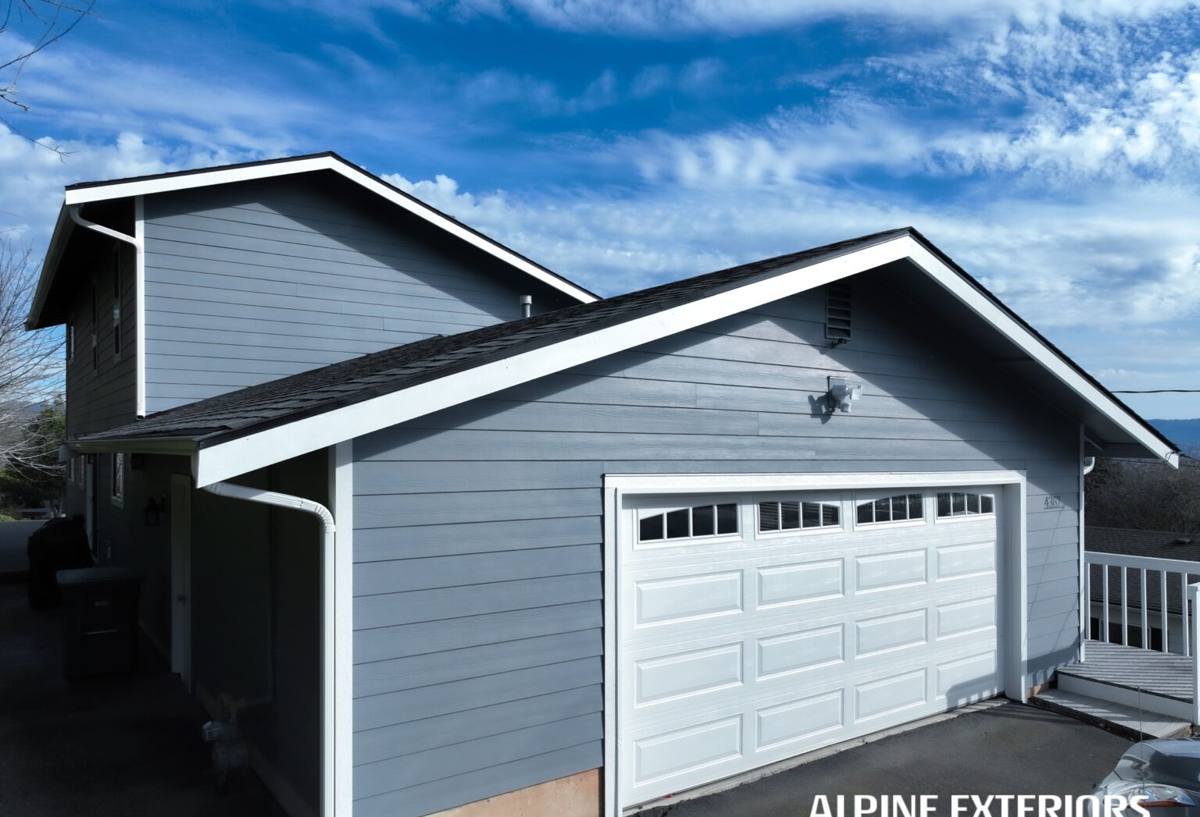
Why Metal Roofing Makes Sense for Island Homes
Metal roofing isn't the right fit for every home or every budget, but for houses exposed to the kind of weather Lummi Island sees, it has real advantages over asphalt shingles:
- Sheds wind-driven rain instead of allowing wind-lift under shingle tabs, which is a common failure point in exposed coastal locations
- Resists moss and algae growth far better than asphalt, since there's no granule surface for organic matter to root into
- Holds up to decades of service life when the coating and fasteners are matched to a salt-air environment
- Sheds snow and ice cleanly, reducing ice-dam risk during cold snaps
- Lower long-term maintenance than a shingle roof once it's properly installed and detailed
The trade-off is upfront cost — metal roofing typically costs more per square than asphalt shingles. For a lot of Lummi Island homeowners, especially those planning to stay long-term or dealing with a roof that's difficult and expensive to access, that upfront cost pencils out against fewer replacement cycles and less maintenance over the life of the roof.
What a Correct Metal Roof Installation Actually Involves
Metal roofing is unforgiving of shortcuts in a way that asphalt sometimes isn't. A roof that looks fine going on can still develop leaks, corrosion, or panel movement problems within a few years if the underlying details are wrong. On a salt-air site like Lummi Island, we treat these details as non-negotiable.
Underlayment and Moisture Barrier
We install a high-temperature synthetic or self-adhered underlayment beneath the metal, not standard felt. Metal panels transmit heat and cold quickly, and in a marine climate with frequent condensation cycles, the underlayment is what protects the roof deck if any moisture works its way past the panels or through a penetration over time.
Fastening and Panel Seams
Every fastener, clip, and piece of trim needs to be rated for coastal or marine exposure. Standard galvanized hardware corrodes faster in salt air than it would inland, and a corroding fastener eventually means a loose panel or a leak point. We match fastener and clip metallurgy to the panel system so components age together instead of one failing before the other.
Flashing, Ventilation, and Penetrations
Valleys, chimney flashing, pipe boots, and eave and ridge details are where the majority of roof leaks actually originate — not the open field of the roof. We detail these areas for both watertightness and airflow, since a roof assembly that can't breathe traps moisture underneath the metal, which leads to deck rot even when the roof surface itself looks fine.
Standing Seam vs. Exposed-Fastener Panels: Which Fits Your Home
Both systems can perform well on Lummi Island homes, but they suit different budgets, roof pitches, and long-term maintenance expectations.
| Factor | Standing Seam | Exposed-Fastener Panel |
|---|---|---|
| Fastener exposure | Concealed clips, no exposed penetrations | Fasteners penetrate the panel face |
| Salt-air durability | Very strong — fewer failure points over time | Good, but fastener gaskets need periodic inspection |
| Upfront cost | Higher | More moderate |
| Maintenance | Minimal once installed | Occasional fastener/gasket checks over the roof's life |
| Best suited for | Long-term ownership, waterfront exposure, low-slope sections | Budget-conscious projects, secondary structures, steeper roofs |
We'll walk through both options honestly during an estimate, including where each one makes sense on your specific roof — pitch, exposure to prevailing wind and rain, and how long you plan to own the home all factor in.
Our Process for Lummi Island Metal Roofing Projects
We start with an on-site inspection of the existing roof, deck condition, and how the home is oriented to weather and salt exposure. From there we walk you through panel and finish options, give you a clear written estimate, and set a realistic project timeline that accounts for tide and ferry scheduling if materials need to move to the island.
During installation, we tear off and dispose of the old roofing, inspect and repair the deck as needed, install the underlayment and metal system per manufacturer specification, and detail every flashing point by hand rather than relying on stock trim alone. Before we leave the site, we walk the roof and the ground perimeter with you to confirm the work and answer any questions about care going forward.
Living With a Metal Roof in a Salt-Air, Moss-Prone Climate
A properly installed metal roof needs far less attention than a shingle roof, but "less maintenance" isn't "no maintenance." A short annual routine goes a long way on Lummi Island:
- Clear needles, leaves, and debris from valleys and around penetrations before fall storms arrive
- Keep gutters and downspouts flowing freely — clogged gutters back water up under eave flashing
- Rinse accumulated salt residue off the roof surface periodically, especially on sections facing open water
- Watch for moss or algae staining in shaded, north-facing areas and address it early with a gentle, roof-safe treatment
- Have flashing and sealant points checked every few years, since sealant ages faster than the metal itself
- After major windstorms, do a visual check for lifted trim or debris strikes
Working Around Ferry Access and Island Logistics
Lummi Island is reachable only by a county ferry, and that changes how a roofing project needs to be planned compared to a mainland job in Birch Bay or elsewhere in Whatcom County. Material deliveries, dumpster drop-off and pickup, and crew scheduling all have to work around ferry capacity and sailing times rather than just normal drive-time logistics. Panels and trim also need to be staged and loaded correctly the first time, since a forgotten piece of flashing isn't a quick round trip back to the shop.
We plan island projects with this in mind from the estimate stage — ordering materials with margin for island access, coordinating crew and equipment trips efficiently, and building the schedule around ferry realities instead of assuming mainland timelines will simply transfer over.
Why Hire a Crew That Already Works on Lummi Island
A contractor who has never worked on the island will learn its logistics on your project, at your expense in delays and inefficiency. We already understand ferry scheduling, how weather windows narrow or open up for island work, and how to sequence a tear-off and install so your home isn't left exposed to driving rain longer than necessary. That experience also carries into material choices — we know which fastener grades, coatings, and panel systems have held up on similarly exposed island and shoreline properties in this county, and which shortcuts show up as problems within a few years.
Local, verifiable experience matters more for a metal roof than for almost any other exterior project, simply because the installation details are what separate a fifty-year roof from one that needs early repairs.
What Metal Roofing Costs on Lummi Island
Exact pricing depends on roof size, pitch, panel system, and site access, but a few factors consistently move the number up or down on island projects:
| Cost Factor | Effect on Project |
|---|---|
| Panel system (exposed-fastener vs. standing seam) | Standing seam typically runs higher per square due to concealed-fastener labor and material |
| Roof pitch and complexity | More valleys, dormers, and penetrations increase flashing labor |
| Existing deck condition | Rot or soft decking found during tear-off adds repair cost |
| Ferry and material logistics | Island delivery and disposal trips are factored into scheduling and cost |
| Finish and coating grade | Higher-grade coatings resist salt-air fading and chalking longer |
We give straightforward written estimates that break these factors down so you know exactly what you're paying for and why, rather than a single bottom-line number with no explanation.
If you're weighing a metal roof for a Lummi Island home, we're happy to take a look and give you a free, no-pressure estimate — walk the roof with you, talk through panel options, and answer questions about how the system will hold up to your specific exposure. Use the form below to get started.