 Birch Bay Siding
 Asphalt Shingle Roofing for Sumas Homes
Sumas sits inland from the water, but the roof over a Sumas home still answers to the same weather systems that move through all of Whatcom County. Wet winters, long stretches of overcast, and shade from mature trees are part of daily life here, and an asphalt shingle roof that isn't installed with this climate in mind will show it early — curling edges, dark streaks, moss creeping up from the north side, or granule loss well before it should. We're a Birch Bay-based crew that works asphalt shingle roofs across Whatcom County, including Sumas, and this page walks through what actually matters for a shingle roof out here: what the climate does to it, what a correct installation looks like, and how we run the job from first look to final walk-through.
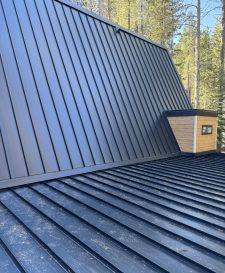
What Local Weather Does to a Shingle Roof
Nobody in this part of Washington needs to be told it rains a lot. What's less obvious is how that rain, combined with wind, shade, and cool temperatures, actually wears down a roof over time.
Driving Rain and Wind
Storms coming off the Strait of Georgia and Puget Sound push salt-laden, moisture-heavy air across Whatcom County, and even well inland in Sumas the same weather fronts arrive with wind-driven rain rather than straight-down rain. Wind-driven rain finds its way under shingles that are lifted, poorly sealed, or nailed with a loose pattern, and it exploits any gap at a roof-to-wall transition, chimney, or vent. A shingle roof built for this area has to handle water moving sideways and uphill under wind pressure, not just water falling straight down.
Moss, Shade, and a Long Growing Season
Whatcom County's mild, wet climate gives moss and algae most of the year to establish themselves, especially on north-facing slopes and anywhere a roof sits under fir or cedar cover. Moss holds moisture against the shingle surface, works its way under tabs as it grows, and can lift shingles enough to let water in behind them. Once moss gets a foothold, it doesn't go away on its own — it spreads.
Temperature Swings and Shingle Aging
Asphalt shingles age through repeated cycles of getting wet, drying out, warming slightly, and cooling again. Sumas doesn't see extreme heat, but the constant damp-to-dry cycling still dries out the asphalt over the years, making shingles more brittle and prone to cracking, particularly on older roofs that were never given adequate attic ventilation.
What a Correct Asphalt Shingle Job Actually Involves
A shingle roof is a system, not a single layer of material. Skipping any part of the system is where roofs in this climate fail early.
Tear-Off and Deck Inspection
We remove the old roofing down to the deck rather than layering over it. That's the only way to actually see the plywood or plank sheathing underneath, check for soft or delaminated spots from long-term moisture, and replace bad sections before anything new goes down. Roofing over a deck with hidden rot just hides the problem for another few years.
Underlayment and Water Barrier
Synthetic or felt underlayment goes down over the full deck as the roof's backup layer, and we add self-adhering ice-and-water barrier at the eaves, valleys, and any low-slope transition — the spots most likely to see water back up under wind-driven rain or trapped moisture.
Flashing at Every Transition
Chimneys, skylights, sidewalls, and roof-to-wall junctions all need properly formed and lapped metal flashing, not just a bead of roofing cement. Cement-and-patch flashing is a common shortcut that fails within a few years in this climate; correctly installed metal flashing is a one-time job.
Ventilation
Balanced intake at the eaves and exhaust at the ridge keeps the attic space at roughly outdoor temperature and humidity. Without it, moisture from the living space condenses in the attic, shortens the life of the roof deck, and can void a shingle manufacturer's warranty outright.
Shingle Installation
Starter strips go down first along eaves and rakes so the first course has proper adhesive backing and wind resistance. Shingles are then nailed with the manufacturer's specified pattern and nail count — under-nailing is one of the most common causes of shingles lifting in wind, and it's invisible once the roof is finished, which is exactly why it matters who's holding the nail gun.
Choosing the Right Shingle for a Sumas Roof
Not every asphalt shingle is built the same way, and the right choice depends on budget, roof slope, and how much wind and moss exposure the specific roof sees.
| Shingle Type | Typical Lifespan | Wind Rating | Best Suited For |
|---|---|---|---|
| 3-tab asphalt | 15-20 years | Lower (60-70 mph typical) | Budget re-roofs, simple roof lines with less wind exposure |
| Architectural (laminate) asphalt | 25-30 years | Higher (110-130 mph typical) | Most Sumas homes — better wind and impact performance |
| Premium/designer laminate | 30+ years | Highest tier available | Steeper, more visible roofs where appearance and longevity both matter |
We lean toward architectural shingles with algae-resistant (AR) granules for most jobs in this area. The higher wind rating matters given how exposed Whatcom County roofs are to storm fronts, and the AR granules slow the algae staining that plain shingles pick up quickly under our tree cover and moisture. Our standard for any roof we put our name on is a laminate shingle backed by a manufacturer warranty with wind coverage that matches local conditions — a lighter-duty shingle can save money up front but tends to cost more over a roof's life once wind and moss are factored in.
How We Run a Sumas Roofing Job
- Inspection and estimate — we walk the roof (or use a lift/drone when the pitch calls for it), check the attic for ventilation and moisture, and give a written scope, not a verbal guess.
- Material selection — we go over shingle options, color, and warranty terms so the decision fits the budget and the roof, not the other way around.
- Scheduling around weather — shingle roofs need dry conditions to install correctly, so we plan around Whatcom County's forecast rather than rushing a job into wet weather.
- Tear-off, deck repair, and installation — done in the sequence described above, with daily cleanup so the property isn't left with exposed decking overnight if it can be avoided.
- Final walk-through — we go over the finished roof, the flashing details, and the paperwork for the manufacturer warranty before calling the job done.
Signs a Sumas Roof Needs Attention
Most asphalt shingle roofs give warning signs well before they actively leak. Worth checking for:
- Granules collecting in gutters or at downspout outlets
- Shingles that are curling, cupping, or lifting at the corners
- Dark streaking or green-black growth, especially on shaded or north-facing slopes
- Visible moss buildup along shingle edges or in valleys
- Missing or torn shingles after a windstorm
- Daylight visible through the roof deck from inside the attic
- Water stains or soft spots on ceilings below the attic
- A roof that's 20+ years old and has never had a full inspection
Any one of these on its own isn't necessarily an emergency, but they're worth a professional look before the next storm season rather than after a leak shows up inside the house.
Maintenance Between Roof Jobs
A shingle roof in this climate isn't a set-it-and-forget-it product. Keeping gutters clear so water doesn't back up under the lowest course of shingles, trimming back branches that keep a roof section shaded and damp, and having moss treated before it spreads rather than after it's established all add real years to a roof's service life. We're glad to point out these issues during an estimate visit even if the roof isn't ready for full replacement yet — a small moss or flashing problem caught early is a much smaller job than the leak it eventually causes.
Why a Local Crew Matters for This Job
Roofing crews that work Whatcom County regularly already know how this climate treats a shingle roof — which slopes hold moss the longest, how much ice-and-water barrier a valley actually needs given our rainfall, and how local permitting and inspection works for a re-roof. That familiarity shows up in fewer surprises mid-job and a roof that's built for the weather it will actually face here, not a generic install pulled from a warmer, drier climate. Being based in Birch Bay also means we're a short drive away if a question comes up after the job is finished, not a crew that packed up and left the county.
If your Sumas home is due for a shingle roof inspection, repair, or full replacement, we're happy to take a look and give you a straight, written estimate — no pressure, no obligation. Use the form below to get started.