 Birch Bay Siding
 Windows Built for Where You Actually Live
Point Whitehorn sits right up against the Strait of Georgia, which means the homes here take a different kind of weather beating than a house ten miles inland in Whatcom County. Salt-laden air off the water, wind-driven rain that hits window seals sideways instead of straight down, and a moss season that seems to stretch longer every year all work against ordinary windows. Standard big-box replacement windows are engineered for average conditions. Point Whitehorn isn't average, and treating it like it is tends to show up later as fogged glass, soft trim, and heating bills that don't make sense for the size of the house.
This page is about one thing specifically: energy-efficient window replacement for homes in and around Point Whitehorn, and what actually holds up here versus what looks fine on a spec sheet.
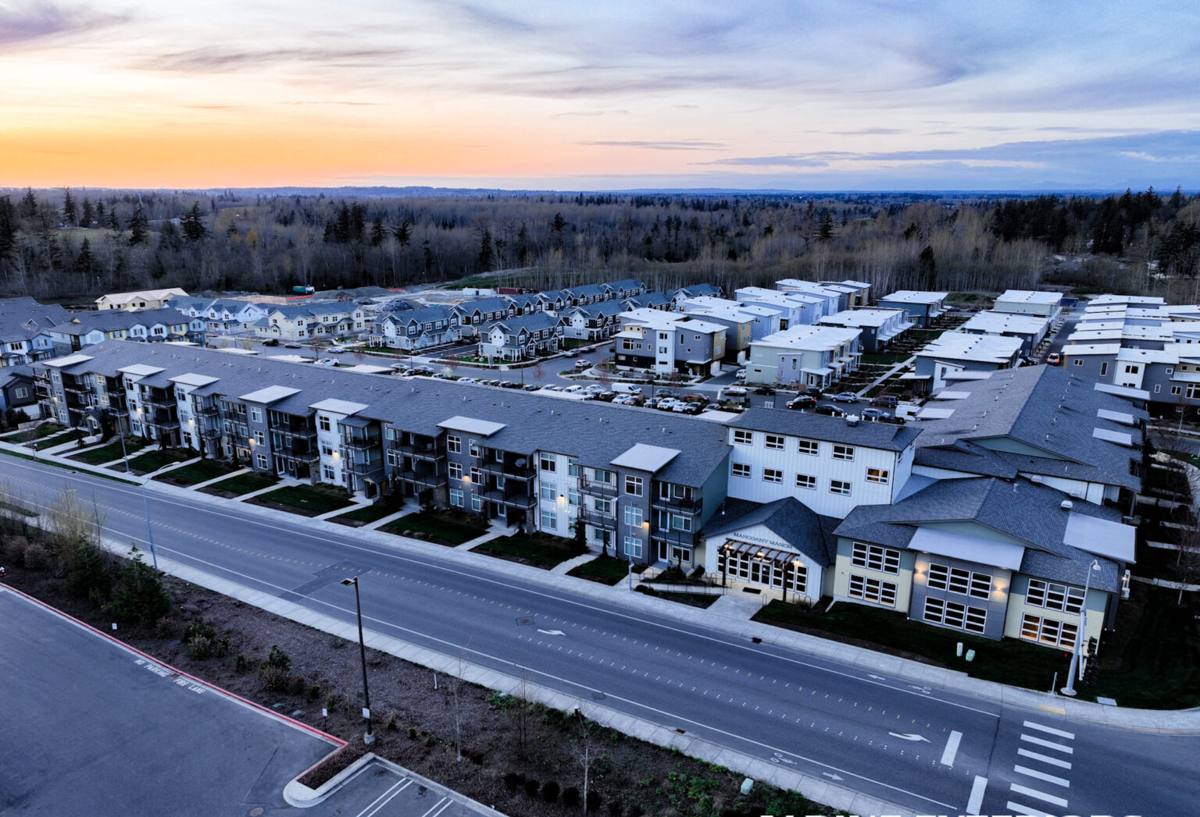
What the Marine Climate Does to Windows Over Time
Salt Air
Airborne salt from the Strait accelerates corrosion on hardware, screws, and metal window components. Aluminum frames and lower-grade fasteners are especially vulnerable — you'll see this as pitting, streaking, or hardware that gets stiff and eventually seizes. It's not dramatic, it's slow, which is exactly why it gets ignored until a window won't latch properly anymore.
Driving Rain
Wind off open water doesn't just fall on a window, it pushes against it. That lateral pressure finds any gap in flashing, caulking, or a poorly sealed nailing fin and drives water behind the trim rather than off of it. Once water gets behind a window instead of running off the face of it, the damage is happening inside the wall where nobody sees it until there's a stain, soft drywall, or a musty smell.
Moss and Sustained Moisture
Whatcom County's wet season runs long, and homes near the water tend to stay damp longer than homes further inland because of fog and higher ambient humidity. Moss and mildew don't just grow on roofs — they take hold in window sills, corners, and anywhere water sits instead of draining. Over years, that constant moisture softens wood trim and sash material that isn't rated for it.
What "Energy-Efficient" Actually Means Here
Energy efficiency isn't a single feature, it's a combination of glass, frame, and installation working together. For Point Whitehorn specifically, we weigh these in a particular order:
- Low U-factor — how well the window resists heat transfer. Lower is better for keeping heat in during our cool, damp winters.
- Appropriate glazing — double-pane with low-E coating and argon gas fill is the standard baseline; it manages both heat loss and condensation risk on cold, humid days.
- Air infiltration rating — how tight the window seals against wind. This matters more here than in a sheltered inland lot because of consistent wind exposure off the water.
- Frame material that tolerates moisture and salt — efficiency on paper doesn't matter if the frame degrades in five years and the seal fails.
A window that's rated efficient in a lab but installed with weak flashing in a high-wind, salt-air spot will underperform a mid-range window installed correctly. Installation quality and material choice both carry real weight — neither one covers for the other.
Choosing the Right Frame Material for This Environment
We don't push one frame material as the answer for every home. Each option has real trade-offs, and for a Point Whitehorn property those trade-offs matter more than they would inland.
| Frame Material | Salt Air / Moisture Behavior | Maintenance | Typical Fit for Point Whitehorn |
|---|---|---|---|
| Vinyl | Does not corrode or rot; performs consistently in salt air | Low — occasional cleaning | Strong all-around choice for most homes here |
| Fiberglass | Excellent moisture and temperature stability, very low expansion/contraction | Low | Good for higher-wind or waterfront-facing walls |
| Wood / Wood-clad | Attractive but vulnerable to sustained moisture and rot without diligent upkeep | High — regular sealing and inspection needed | Only where owner commits to ongoing maintenance |
| Aluminum | Prone to pitting and corrosion in salt air over time; conducts heat/cold | Moderate to high | Generally a poor match for this specific coastal exposure |
We'll walk through this table in person with your actual exposure in mind — a wall that faces open water and prevailing wind needs a different answer than a more sheltered side of the same house.
How We Approach a Point Whitehorn Window Job
1. On-Site Assessment
We look at each window opening individually, not just the house as a whole. Sun and wind exposure, existing water damage, sill condition, and how the current flashing was done all factor into the plan. A window facing the water gets treated differently than one on a sheltered side of the same home.
2. Moisture Management First
Before a new window ever goes in, we address the flashing, house wrap integration, and sill pan detailing around the opening. This is the step that gets skipped most often on lower-cost jobs, and it's the step that determines whether water stays out for the next twenty years or finds its way in within two.
3. Installation
Windows are set plumb, level, and square, shimmed correctly, and sealed with materials rated for exterior, high-moisture use — not just standard caulk that will crack and shrink within a season or two of coastal weather cycling.
4. Interior and Exterior Finish
Trim and sealant lines are finished to shed water, not collect it. Any detail that could trap moisture against wood trim gets addressed at this stage, since that's exactly the kind of spot moss and mildew take hold first.
5. Final Walkthrough
We check operation, seals, and finish work with you before considering the job done, and explain what basic upkeep (if any) that particular frame material needs going forward.
Signs Your Current Windows Are Working Against You
Homeowners near Point Whitehorn often live with these issues longer than they need to, assuming it's just how older windows are. Some of these are efficiency problems, some are moisture problems, and a few are both:
- Visible condensation or fog between panes (a failed seal, not a cleaning issue)
- Drafts you can feel near the frame on a windy day
- Hardware that's stiff, corroded, or won't latch fully
- Soft, discolored, or moss-covered trim around the window exterior
- Noticeably higher heating costs compared to similarly sized rooms elsewhere in the house
- Sashes that have swollen, warped, or no longer close flush
- A musty smell near windows during or after rainy stretches
Any one of these on its own might be minor. Several of them together usually mean the window and its surrounding seal are past the point where caulk and weatherstripping will fix it.
Moss, Mildew, and Long-Term Upkeep
Even the right window in the right material still benefits from a little seasonal attention in this climate. Keeping sills clear of standing debris, checking exterior caulk lines once a year, and addressing any moss growth on nearby siding or trim before it spreads onto window surfaces goes a long way. Vinyl and fiberglass frames make this easier — there's no wood substrate underneath for moss or rot to compromise — but no window is entirely maintenance-free when it sits this close to the water.
Why Local Experience in This Area Matters
A contractor who mostly works drier, inland parts of Whatcom County will still know how to install a window — but they may not default to the flashing details, sealant choices, and frame recommendations that a salt-air, high-wind property actually needs. We work homes throughout Birch Bay and the surrounding coastline regularly, so the trade-offs in the table above aren't theoretical to us — they're the difference between a callback in year three and a window that's still performing in year twenty. That familiarity also means a more accurate, realistic quote the first time, without surprises once we're into the opening and see what the old installation actually looked like.
What Affects the Cost of a Window Project Here
Every home is different, but a few factors consistently move the price on a Point Whitehorn project more than they would elsewhere:
- Exposure — walls facing open water or prevailing wind often warrant higher-spec glazing or frame material
- Existing damage — rot or water intrusion found once trim is removed adds repair scope beyond the window itself
- Number and size of openings — larger openings and picture windows cost more in both material and glazing options
- Frame material choice — vinyl, fiberglass, and wood-clad carry different price points, as reflected in the comparison above
- Access — second-story or hard-to-reach windows add labor time
We won't know your exact numbers until we see the actual openings, but we'll walk through these factors honestly during the estimate so there's no guessing involved.
Ready to Talk About Your Windows?
If your windows are fogging, drafting, or just costing more to heat around than they should, we're happy to take a look and give you a straightforward assessment — no pressure, no upsell script. Fill out the form below to schedule a free estimate for your Point Whitehorn home.