 Birch Bay Siding
 Roof Repair Built for the Terrell Creek Area
The homes around Terrell Creek sit close enough to Birch Bay and the Strait of Georgia that they take on a specific mix of weather stress most inland Whatcom County roofs never see. Salt-laden air off the water, long stretches of driving rain through fall and winter, and a shaded, damp microclimate that keeps moss growing nearly year-round all work on a roof at the same time. A shingle or panel that would last two more winters on a dry, sun-exposed roof somewhere else can be well past its useful life out here without ever showing an obvious leak until it's a real problem.
We work this area regularly, which matters more than it sounds like it should. A roof repair crew that only sees Terrell Creek roofs once every few years tends to treat every job the same way they'd treat a roof in a drier part of the county. We don't have to guess at what's going on under the shingles here — we've seen it enough times to know where to look first.
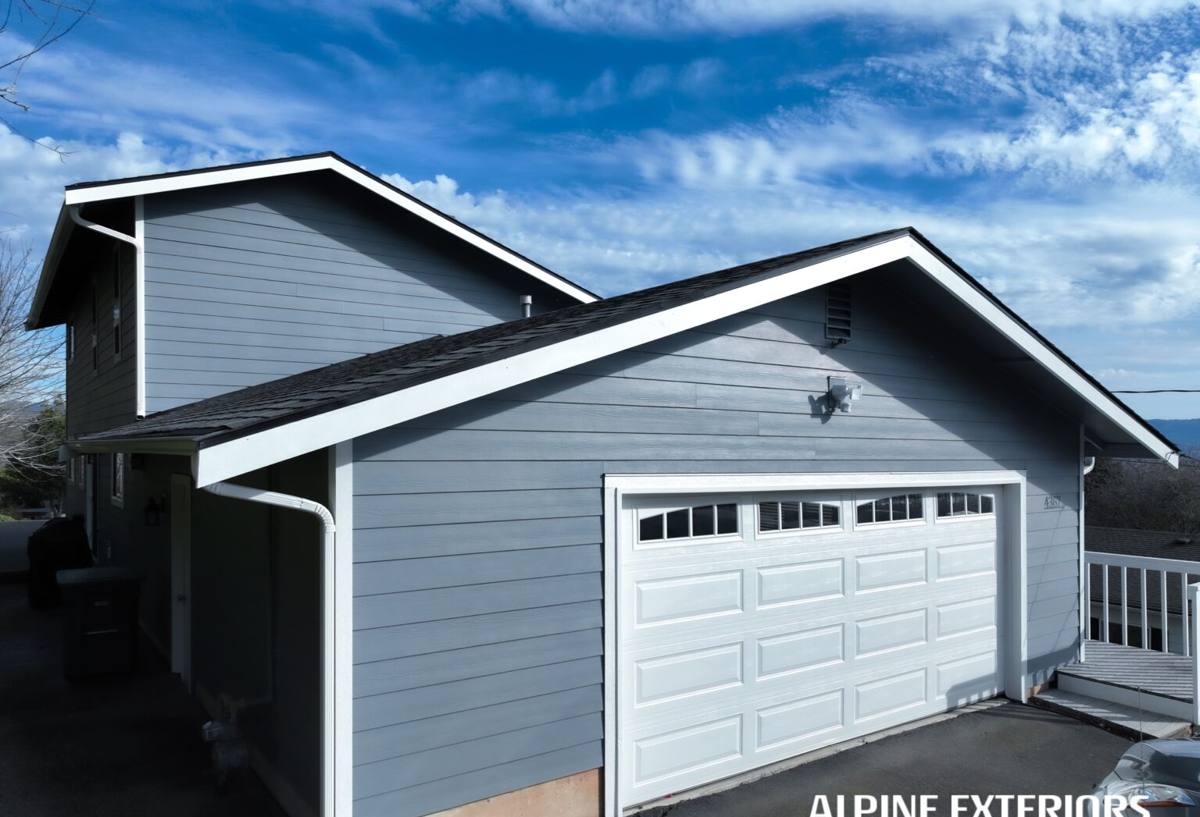
Why This Microclimate Is Hard on Roofs
Salt Air and Metal Fatigue
Salt in the air doesn't just affect siding and trim — it accelerates corrosion on exposed roofing fasteners, flashing, vent boots, and any metal edge that isn't fully protected. Galvanized fasteners that would hold up fine 20 miles inland can start rusting at the head within a handful of years this close to the water. Once a fastener corrodes, it loses its grip on the roof deck and the shingle around it lifts slightly — which is exactly the kind of small gap wind-driven rain finds first.
Moss and Trapped Moisture
Terrell Creek's tree cover and proximity to the water mean shaded roof sections stay damp longer after every rain. That's ideal moss habitat. Moss doesn't just look bad — it holds water directly against the shingle surface, works its root structure under shingle tabs, and lifts them enough for wind and rain to get underneath. Left long enough, moss growth degrades the granule surface of asphalt shingles and can rot the wood decking below.
Driving Rain and Wind-Loaded Water
Storms coming off the Strait don't just drop rain straight down — they push it sideways under shingle laps, around chimney flashing, and into any gap at a roof-wall intersection. A roof that would shed a normal vertical rain just fine can still leak during a wind-driven storm if flashing details aren't tight. This is one of the most common reasons homeowners here get a leak that seems to "come and go" with the weather — it's not random, it's tied to wind direction.
Signs a Terrell Creek Roof Needs Repair
- Dark streaking or green-black growth on north-facing or shaded slopes
- Granules collecting in gutters or at downspout outlets
- Soft or spongy spots when walking the roof (a sign of deck rot beneath)
- Rust staining running down from nail heads, vent boots, or flashing
- Curling, cracked, or missing shingle tabs, especially on the weather-exposed side
- Water stains on interior ceilings that appear only during wind-driven storms
- Daylight visible through the attic roof deck at seams or nail holes
- Gutters pulling away from the fascia, which often points to rot behind them
Any one of these on its own isn't necessarily an emergency. Several at once, or any sign of interior water intrusion, means it's time to get it looked at before the next storm system.
What a Correct Roof Repair Actually Involves
A lot of roof repairs done by crews unfamiliar with this coastal microclimate stop at "patch the visible spot and move on." That approach tends to fail here specifically because the underlying cause — corroded fasteners, moss intrusion, or a bad flashing detail — is still in place. Our process is built around finding the actual cause, not just covering the symptom.
1. Full Roof Assessment
We don't just look at the spot you're worried about. We walk the whole roof, check flashing at every penetration (chimneys, vents, skylights), inspect valleys, and look at fastener condition in shaded and exposed areas separately, since they age at different rates here.
2. Identify Root Cause, Not Just Symptom
If shingles are lifting, we check whether it's wind damage, moss root intrusion, or corroded fasteners underneath — each has a different fix, and treating the wrong one means the same leak comes back in a year.
3. Deck Condition Check
Where there's been any sign of water intrusion, we check the roof deck itself, not just the shingle layer. Soft or delaminated decking has to be addressed or a repair on top of it won't hold.
4. Proper Flashing and Fastener Work
Given the salt exposure here, we pay particular attention to using fasteners and flashing details rated for coastal conditions rather than whatever's standard elsewhere in the county.
5. Moss Treatment and Prevention Steps
Where moss is a factor, we remove it properly (not just power-wash it, which can drive water and debris under shingles and do more harm than good) and talk through what maintenance will actually slow regrowth on your specific roof.
Repair vs. Replacement: An Honest Look
Not every roof problem near Terrell Creek needs a full replacement, and we won't tell you it does. But we also won't patch a roof that's genuinely past the point where repair makes financial sense. Here's how we think about the decision:
| Factor | Leans Toward Repair | Leans Toward Replacement |
|---|---|---|
| Roof age | Under 15 years (asphalt) | Approaching or past 20-25 years |
| Extent of damage | Isolated to one section or penetration | Widespread across multiple slopes |
| Deck condition | Solid, no rot found | Soft decking in multiple areas |
| Moss/algae history | First significant occurrence | Repeated growth despite treatment |
| Fastener/flashing condition | Localized corrosion | Widespread rust or failing seals |
| Number of past repairs | First or second repair | Third+ repair on the same roof |
We'll walk you through exactly which column your roof falls into and why, with photos and a plain explanation — not a sales pitch either direction.
Materials and Fastener Choices That Actually Hold Up Here
Given the salt air, we're deliberate about the fastener and flashing hardware used in repairs on Terrell Creek roofs. Standard galvanized hardware corrodes faster this close to the water, so where it makes sense, we use stainless or coated fasteners rated for coastal exposure — it costs a bit more up front but avoids paying for the same repair again in a few years because a fastener failed underneath a shingle that otherwise looked fine. Flashing material matters too: we look at what's already on the roof and match or upgrade it rather than defaulting to whatever's cheapest, especially at chimney and wall-intersection details where wind-driven rain does the most damage.
Our Process, Start to Finish
- Free on-site inspection — we walk the roof and attic where accessible, not just a look from the ground
- Plain-language explanation of what's actually wrong and why, with photos
- Written estimate covering repair scope, materials, and timeline
- Scheduled repair work, weather-permitting given how much rain we plan around here
- Final walkthrough so you can see exactly what was done
We don't upsell a repair into a replacement conversation unless the roof actually warrants it, and we'll say so directly either way.
Why a Crew That Knows Terrell Creek Matters
Roofing crews that work all over Whatcom County or beyond aren't wrong about roofing in general — but they're often working from experience built in drier, less shaded, less salt-exposed conditions. That gap shows up in small ways: a repair that doesn't account for how much longer this roof stays wet after a storm, or fasteners that aren't rated for the air quality this close to the water. We work this specific stretch of coastline regularly enough to know what tends to fail first, what maintenance actually helps, and what's a waste of money here. That local pattern recognition is often the difference between a repair that holds and one that reopens the same leak next winter.
Get a Straight Answer About Your Roof
If you're dealing with a leak, visible moss, or just want a second opinion on a roof near Terrell Creek, we're happy to take a look and give you an honest read on what it needs — repair, monitoring, or replacement — with no pressure either way. Reach out for a free estimate using the form below.