 Birch Bay Siding
 Sandy Point sits out on the water in Whatcom County, and that location is exactly what makes window installation here a different job than it is a few miles inland. Homes in this community face open water and marine wind on a near-daily basis, and a lot of the housing stock was built or last had windows replaced decades ago, before today's flashing methods and glass packages were standard practice. When those original or aging windows finally need to come out, the replacement work has to account for exposure that a standard subdivision installation never has to consider.
This page is specifically about window installation for Sandy Point — not a general window page. The climate factors, the failure patterns we see, and the installation details that matter here are particular to this stretch of coastline, and treating the job like any other replacement is how call-backs happen.
Why Sandy Point Puts Extra Demands on Window Installation
Sandy Point is more exposed to wind and moisture than most Birch Bay properties set back from the water. Homes here take wind-driven rain straight off the water with little to break it up, and salt-laden air is a constant rather than an occasional event. Add in Whatcom County's long wet season — moss and mildew can hold on through most of the year on shaded, north-facing walls — and the window assembly has to work harder here than manufacturer installation guidance generally assumes.
None of that means window replacement is unusually difficult in Sandy Point. It means the details that are optional elsewhere — how flashing laps, how a sill is sloped, what hardware and fasteners are spec'd — stop being optional here. A window installed to a generic standard can still fail early in this environment even if the same installation would hold up fine a few miles inland.
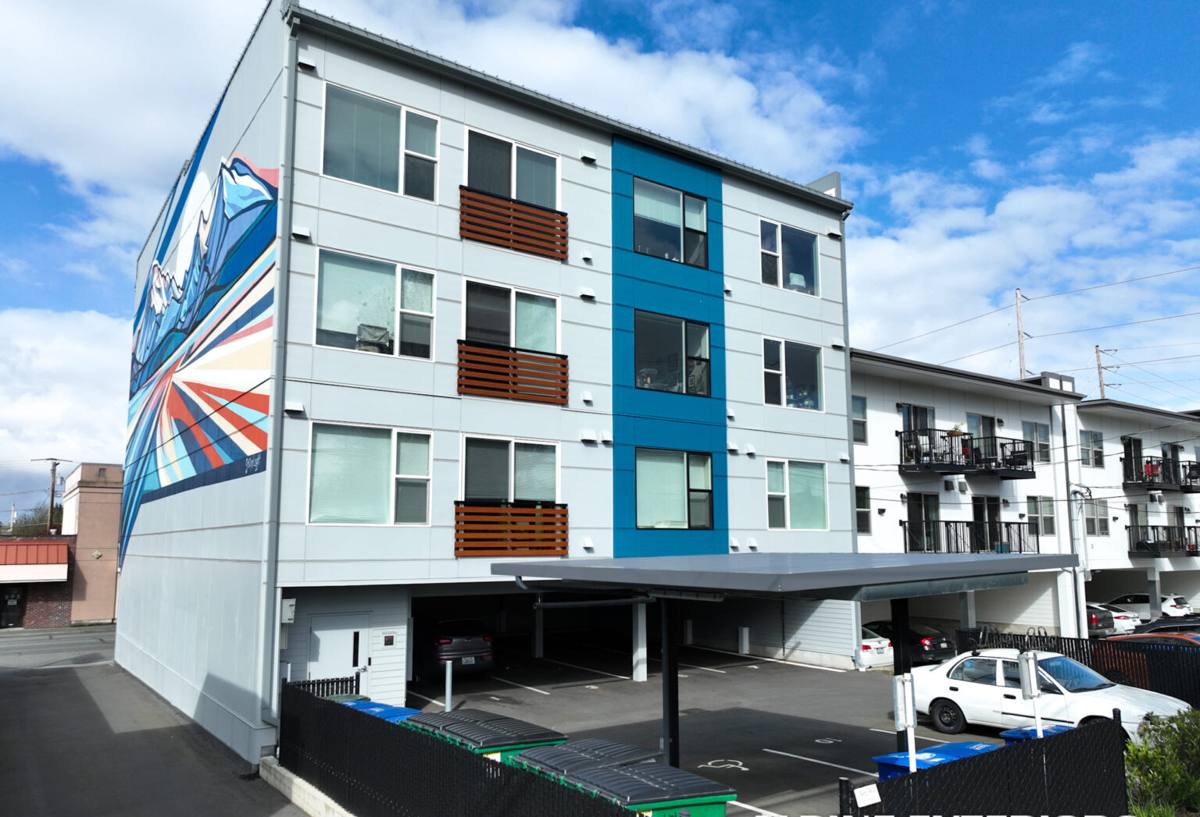
What Salt Air, Driving Rain, and a Long Moss Season Do to Windows Here
Salt air is corrosive to metal hardware, fasteners, and lower-grade frame components over time, and that process runs faster this close to open water than it does further inland. Wind-driven rain pushes water sideways into wall assemblies and window flashing instead of letting gravity carry it away, which means gaps and seams that would go untested in calmer conditions get tested constantly at Sandy Point. And the extended damp season common to this part of Whatcom County keeps shaded trim, sills, and siding wet longer between drying periods, which is exactly the condition moss and mildew need to take hold.
Where the Damage Shows Up First
Glass and frame material are rarely the first thing to fail on a properly installed window. The early failure points are almost always the transitions: where flashing laps against the siding above and below the opening, where the sill meets the frame, and where sealant is asked to do the job that proper flashing sequencing should be doing instead. Those are the spots that take real time to get right, and they're also the spots a rushed installation is most likely to shortcut.
Signs a Sandy Point Home Is Due for Window Replacement
Because of the exposure here, window problems in Sandy Point tend to show up as a pattern of small signs rather than one obvious failure. Worth checking for:
- Soft, discolored, or bubbling trim or sill wood around the window frame
- Persistent fogging or moisture between panes on double- or triple-glazed units, which usually means a failed seal
- Noticeable drafts or a cold spot near the window even with it fully closed and locked
- Hardware — locks, hinges, cranks — that's stiff, corroded, or no longer closing tight
- Moss or dark staining building up on the frame or siding directly around the window, especially on shaded sides of the house
- Paint or finish that's failing specifically around the window opening faster than on the rest of the wall
- Visible gaps or separation between the window frame and the surrounding siding or trim
Any one of these on its own isn't necessarily urgent. Several showing up together, or showing up on more than one window, usually means the flashing or seal behind the frame has already let moisture in — and that's worth an honest look before it turns into a repair on the surrounding wall as well.
What a Correct Window Installation Involves
Removing the Old Unit and Inspecting the Opening
Pulling the old window is also when we find out what's actually going on behind it — whether the sheathing and framing around the opening are sound, or whether years of marine moisture have already caused rot or damage that needs to be addressed before a new window goes in. Skipping this step and just dropping a new unit into a compromised opening is one of the most common ways a replacement job fails early, and it's more likely to matter here than in a drier setting.
Flashing and Weatherproofing
This is the step that matters most given Sandy Point's exposure. Flashing has to be sequenced so that any water that gets past the outer surface is directed back out, not trapped behind the siding — building paper or house wrap lapped correctly, sill pan flashing that slopes water outward, and head flashing that sheds down over what's below it rather than being caulked and hoped for. We don't treat sealant as the primary defense against water intrusion; it's a backup to a flashing system that's built to work without it.
Setting, Shimming, and Sealing
The new unit has to be set plumb, level, and square, shimmed correctly so it isn't relying on the frame alone to hold its shape, and fastened with hardware suited to a marine environment rather than standard interior-grade fasteners that corrode faster this close to the water. Sealant goes in as the final layer, matched to the substrate and rated for exterior UV and moisture exposure — not whatever caulk happens to be on the truck.
Frame Materials for This Climate
Frame material choice matters more at Sandy Point than it does further inland, since the material is under sustained salt and moisture exposure rather than occasional weather. There's no single right answer for every home — it comes down to how much upkeep you want to take on and how the window needs to look against the rest of the house.
| Frame Material | Coastal Performance | Maintenance | Typical Fit |
|---|---|---|---|
| Vinyl | Handles sustained moisture well; won't rot or corrode | Low — no painting or sealing required | Budget-conscious replacements, rental or secondary homes |
| Fiberglass | Very stable in salt air and temperature swings; holds paint well if color changes are wanted later | Low to moderate | Homes wanting a longer-term, lower-drama option |
| Aluminum | Strong and slim-profile, but prone to corrosion near salt air unless properly coated and maintained | Moderate — coating and hardware need periodic attention | Modern or view-oriented designs where a thin sightline matters |
| Wood (exterior-exposed) | Weakest option for direct marine exposure without diligent upkeep | High — regular painting or sealing required | Interior-facing applications, or wood-clad units with a protected exterior cladding |
For weather-facing openings at Sandy Point, we generally lead with vinyl or fiberglass because they hold up to sustained coastal moisture with the least ongoing maintenance. That's a starting recommendation, not a rule — if the look of your home calls for something else, we'll walk through what extra upkeep or protection that choice requires rather than steering you away from it without explanation.
Our Process, Start to Finish
- On-site assessment — we look at your existing windows, the condition of the openings, and how exposed each elevation of the house is to wind and water
- Honest recommendation — which windows need replacing now, which can wait, and what frame material and glass package make sense for your specific openings and budget
- Written scope and timeline — what's included, what isn't, and a realistic schedule before any work starts
- Removal and opening inspection — old units come out carefully, and any hidden rot or framing damage gets flagged and addressed before installation continues
- Installation and flashing — new units are set, shimmed, and flashed to a sequence built for this exposure, not a generic template
- Trim, finish, and cleanup — exterior trim integrated to match the rest of the house, job site left clean
What Actually Drives Cost
We won't quote a number without seeing your windows in person, but the factors that move price on a Sandy Point job are fairly consistent: how many windows are being replaced at once, the size and configuration of each opening, frame material, glass package (double- versus triple-pane, low-E coatings, argon fill), and how much repair the opening needs once the old unit comes out. A straightforward like-for-like replacement in a sound opening costs less than a job where rot repair or reframing is involved — we'll tell you which situation you're in before you commit to anything, not after the walls are already open.
Why a Local Sandy Point Crew Matters
Manufacturer installation instructions are written for average conditions in a moderate climate — they're not written with Sandy Point's wind exposure or Whatcom County's wet season specifically in mind. A crew that has actually installed windows on this stretch of coastline knows which parts of that generic guidance are worth following to the letter here, and where it's worth spending extra time on flashing or fastener choice even when it isn't strictly required somewhere calmer.
That experience shows up in decisions that don't come up in a sales pitch — how much lap a flashing course needs on a wall that takes rain straight off the water, which hardware grade actually holds up to salt air instead of just looking fine for the first year, and when a sill needs a sloped composite detail instead of relying on caulk. Those choices are what separate a window installation that's still tight and drama-free in fifteen years from one that's showing drafts and soft trim in five.
What to Ask Before Hiring for Window Installation Here
- Ask whether they've worked in Sandy Point or similarly exposed waterfront settings, not just general Birch Bay or Whatcom County jobs
- Ask how they sequence flashing on a wall with direct wind and water exposure
- Confirm current Washington contractor licensing and insurance before any work starts
- Get a written scope of work and timeline, not just a verbal estimate
- Ask how the window unit and the installation labor are each covered under warranty — they're often separate
If your windows at Sandy Point are showing drafts, moisture, stiff hardware, or visible wear around the frame, it's worth having someone take an honest look before winter storms make the decision for you. We offer free, no-pressure estimates for window installation in Sandy Point and the rest of the Birch Bay area — use the form below to get a time on the schedule.