 Birch Bay Siding
 Siding Installation in Ferndale, Done by a Crew Already Working This Coast
Ferndale sits close enough to Birch Bay and the open water of Whatcom County that its homes take on the same basic exposure: salt-tinged marine air, wind-driven rain that hits walls sideways rather than straight down, and a moss season that can run most of the year on shaded or north-facing siding. We're based out of Birch Bay and already run crews through Ferndale on a regular basis, which matters more than it sounds like it should. A siding installation that's engineered around this specific coastal moisture load looks different, in a dozen small details, from one built for a drier inland town.
This page is specifically about the installation itself — what a correct job actually involves, how we sequence it, and why we install only James Hardie fiber cement siding on every Ferndale home we work on. If you're deciding between a full re-side and a repair, or comparing siding materials, that's a broader conversation; here we're focused on getting the installation itself right.
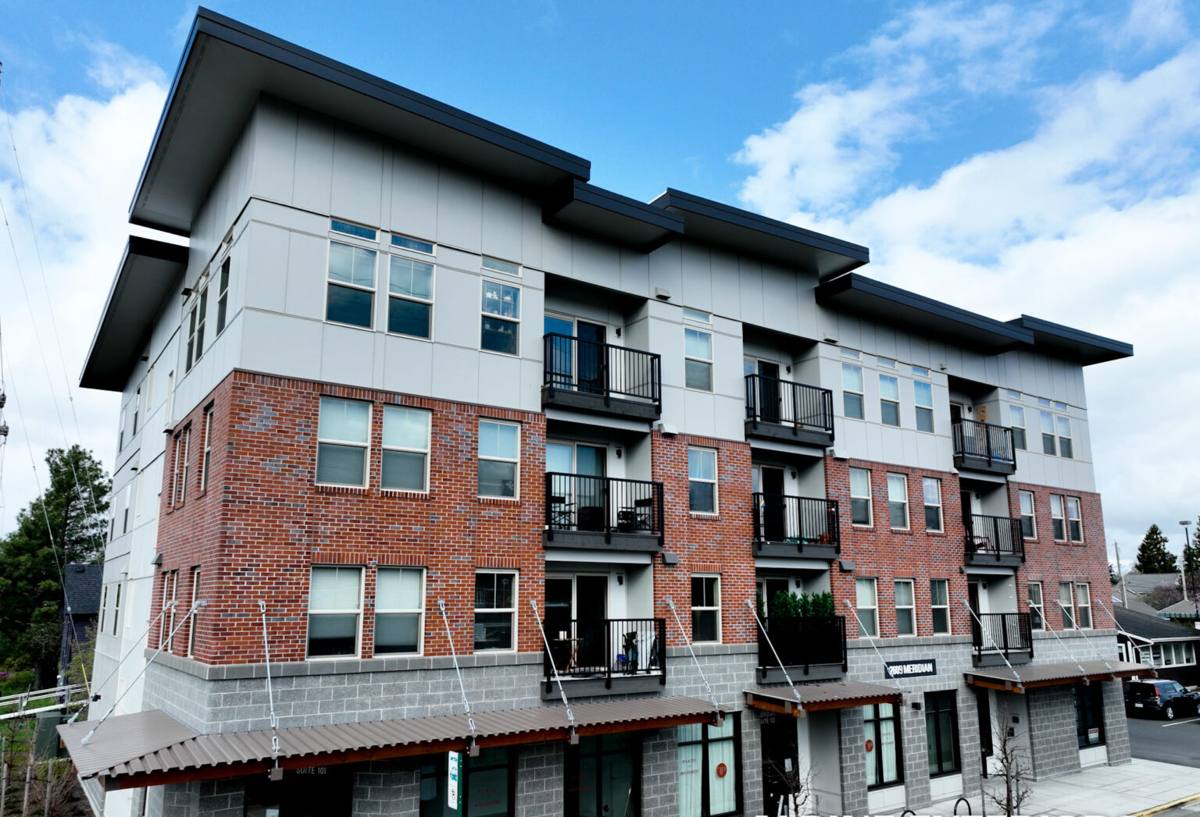
What "Correct Installation" Actually Means
Fiber cement siding is only as good as the installation behind it. James Hardie publishes detailed fastening, clearance, and flashing specifications, and a crew that skips or shortcuts those steps can turn a premium product into a callback within a couple of wet seasons. On a Ferndale job, correct installation means:
- Fasteners driven at the manufacturer-specified spacing and depth, not just "close enough" — over-driven or under-driven nails are one of the more common causes of early siding failure
- Proper clearance between the bottom siding course and grade, decks, and roof lines, so water doesn't wick up into the board from below
- House wrap and flashing integrated so water sheds outward at every window, door, and penetration, rather than relying on caulk alone to keep it out
- Correctly lapped and sealed joints at butt seams and corners, sized to allow for the board's minor expansion and contraction
- Rain-screen or drainage detailing behind the siding where the wall assembly calls for it, giving any incidental moisture a path to dry out instead of sitting against the sheathing
None of this is exotic technique. It's the difference between following the spec sheet and treating it as optional, and in a climate that gets sustained wind-driven rain, that difference shows up on the wall within a few years either way.
Our Installation Process
1. On-Site Assessment
We start by walking the actual property, not quoting off a phone description. That means checking the condition of the existing siding and sheathing, looking for signs of moisture already tracking behind the wall, and noting which walls take the most direct wind and rain exposure. Ferndale lots vary — some are more sheltered, some sit more exposed to open wind — and that shapes where we pay extra attention.
2. Tear-Off vs. Overlay Decision
Overlaying new siding directly over old siding is sometimes an option, but it only makes sense when the existing wall assembly is dry and sound. If there's any indication of trapped moisture, rot, or an aging material that's already past its useful life, we recommend a full tear-off. Skipping that step to save time just seals existing problems behind a new wall, which tends to surface again later as a much bigger repair.
3. Substrate Repair
Tear-off is also when hidden damage gets found — soft sheathing, rotted framing, or water staining that wasn't visible from outside. We address that before a single new board goes up. New siding installed over a compromised substrate doesn't hold its fastening the way it's designed to, no matter how well the surface work is done.
4. House Wrap, Flashing, and Drainage Details
This is the step that determines whether the installation actually performs in wind-driven rain. We integrate house wrap and flashing at every window, door, corner, and penetration so water is directed outward and down, not trapped behind the cladding. On more exposed Ferndale walls, we'll add drainage detailing behind the siding so any moisture that does get past the outer layer has somewhere to go.
5. Installing the Hardie Siding
Boards go up to Hardie's fastening spec, with correct nail placement, joint spacing, and clearances from grade, roofline, and any adjoining decks. Trim and corner details are installed to shed water outward rather than creating small ledges where it can pool. Where ColorPlus factory-finished siding is used, we handle cut edges carefully, since exposed cut edges are the one place that finish needs supplemental sealing to keep performing.
6. Final Walkthrough
Before we consider a job finished, we walk the exterior with the homeowner, point out anything worth knowing about maintenance, and confirm every detail matches what was scoped at the start. A written scope up front means there's no ambiguity about what "done" looks like.
Why We Install Only James Hardie Fiber Cement
We used to install a wider range of siding products. We stopped after seeing, repeatedly, which materials held up to a full Whatcom County wet season and which ones didn't. James Hardie is what we now put on every home, including every installation we do in Ferndale, for practical reasons rather than a supplier relationship:
- Non-combustible core: Fiber cement doesn't feed a fire the way wood-based siding products can.
- Factory-applied ColorPlus finish: Baked on under controlled conditions rather than applied on-site, it resists fading and moisture damage far longer than field-applied paint.
- Climate-engineered HZ5 formulation: Built for regions with heavy moisture exposure and freeze-thaw cycling, which describes this stretch of coastal Whatcom County well.
- Dimensional stability: Fiber cement doesn't swell, cup, or warp the way engineered wood siding can after repeated wet-season moisture cycles.
- Strong transferable warranty: Backed by Hardie, provided the installation follows their published spec — which is exactly why we treat installation detail as non-negotiable.
We don't install LP SmartSide, vinyl siding, Cemplank, Allura, primed spruce, or cedar. Those products all have a place in the market, and plenty of homeowners are satisfied with them elsewhere. Our decision isn't a judgment on the products themselves — it's that in this specific climate, we'd rather install one system to spec every time than offer a cheaper option that quietly shifts maintenance risk onto the homeowner down the road.
Installation Method Comparison
| Approach | When It Applies | Risk if Done Wrong |
|---|---|---|
| Full tear-off | Existing siding is aged out, or moisture is already present behind the wall | Hidden rot goes unaddressed if tear-off is rushed or skipped |
| Overlay | Existing wall assembly is dry, sound, and structurally fine | Traps existing problems behind new siding if the wall isn't actually sound |
| Standard fastening | Most wall sections | Over- or under-driven fasteners cause early cracking or loosening |
| Rain-screen / drainage gap | More exposed walls, heavier wind-driven rain exposure | Without it, incidental moisture has no path to dry out and can sit against sheathing |
What a New Siding Installation Costs
Exact pricing depends on the home, but the main factors that move the number on a Ferndale installation are consistent from job to job:
- Total wall area and how much trim, corner, and dormer detail is involved — more joints mean more places where water can intrude if not handled correctly
- Tear-off versus overlay, and whether substrate repair is needed once old siding comes off
- Site access — larger lots, tree cover, or tight setbacks can add setup and staging time
- Color and trim selection, since ColorPlus factory finishes cost more upfront but outlast field-applied paint by years
We give real numbers after walking the property, not a price pulled from a generic per-square-foot sheet.
Signs Your Ferndale Home Is Ready for a New Installation
- Moss or dark staining that returns quickly after cleaning, especially on shaded or north-facing walls
- Soft or spongy siding, particularly low on the wall or around window and door trim
- Peeling paint, bubbling, or visible warping on siding boards
- Cracked, chipped, or missing sections after a windstorm
- Visible gaps at seams, corners, or trim joints
- An older siding material — engineered wood, primed spruce, or cedar — nearing or past its expected service life
Why a Birch Bay-Based Crew Working Ferndale Matters
We're not driving in from out of the area to bid a one-off job. Working out of Birch Bay puts us on this exact stretch of coastline regularly, which means we're already familiar with how salt air, wind-driven rain, and a long moss season behave on real Ferndale walls, not just how a product performs on a spec sheet. That shapes decisions on install day — which wall orientations need extra flashing attention, where a drainage gap is worth the added time, which details prevent the callback two winters later. A crew that only passes through occasionally doesn't build that same feel for a specific area's exposure.
If you're planning a siding installation in Ferndale, or want an honest read on whether your current siding still has useful life left, we're glad to walk the property and give a straight answer. Reach out using the form below for a free, no-pressure estimate.