 Birch Bay Siding
 Windows in Point Roberts Take a Different Kind of Beating
Point Roberts sits on its own small peninsula, surrounded on three sides by the Strait of Georgia and Boundary Bay, with only a land border through Canada connecting it to the rest of Whatcom County. That geography is part of what makes it a beautiful place to own a home — and part of why windows here fail differently than windows fifteen miles inland. Salt-laden marine air, wind-driven rain coming straight off the water, and a moss season that can stretch from fall through spring all work on window assemblies in ways that a generic installation crew, unfamiliar with this specific stretch of coastline, tends to underestimate.
This page is about one job in one place: getting windows installed correctly on a Point Roberts home, in a marine climate, by a crew that already understands what that requires.
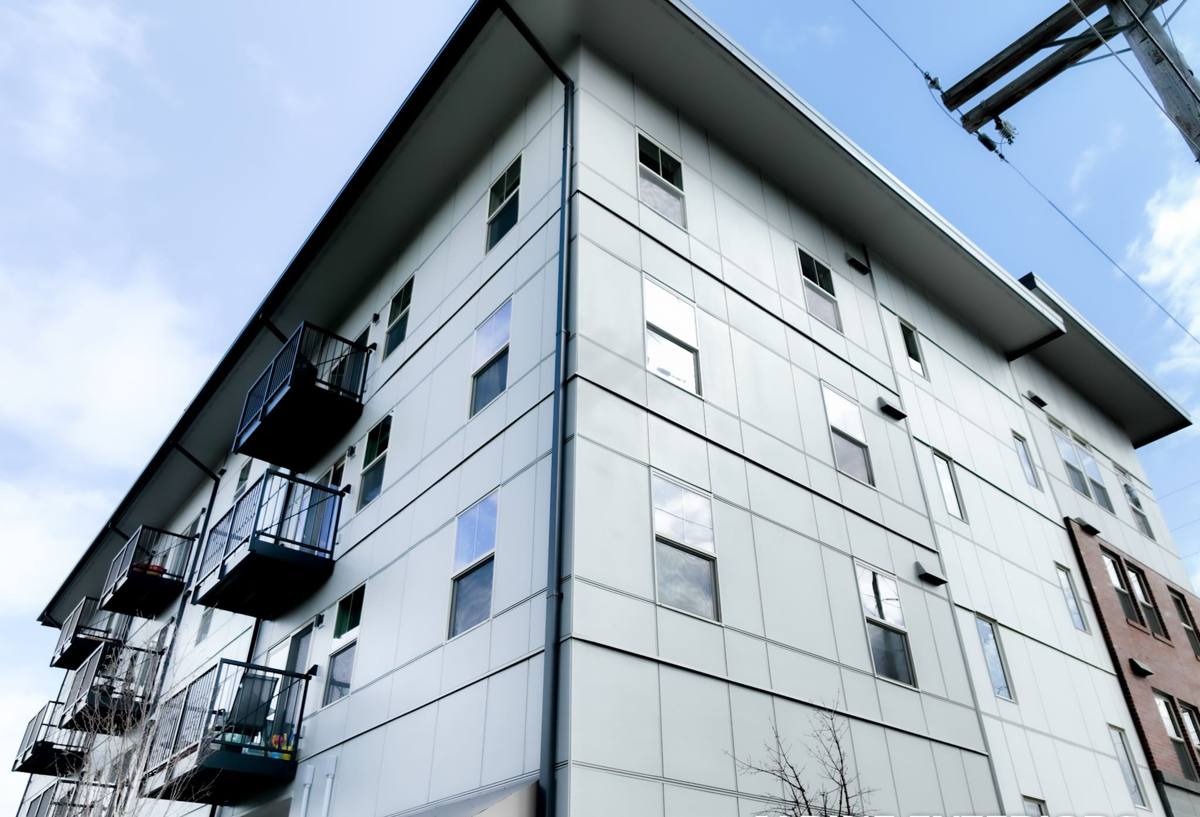
What the Climate Actually Does to a Window Installation
Salt air
Airborne salt is corrosive to exposed metal — hinges, cranks, screws, and lesser-grade flashing components all degrade faster here than they would in a drier, inland part of Whatcom County. It also accelerates the breakdown of some sealants and finishes over time, which is why hardware and material choice matter more here than in a typical spec.
Driving rain
Point Roberts gets exposed to wind coming off open water with very little to break it up. That means rain doesn't just fall on a window, it gets driven sideways and upward into any gap in the flashing or sealant. A window that would perform fine in a sheltered inland lot can leak here if the water management details weren't built for wind-driven exposure.
Moss season
Western Whatcom County's long wet season keeps siding, trim, and window surrounds damp for extended stretches. Moss and algae thrive in that moisture, and where they take hold on window trim or sills, they hold water against the wood and finish longer than open air would. Over years, that shortens the life of anything that wasn't properly sealed, sloped, or ventilated at installation.
None of this means Point Roberts homes need exotic products. It means the installation details — flashing sequence, sealant selection, drainage paths — have to be right, every time, because the climate here doesn't forgive shortcuts the way a milder location might.
What It Means to Work on a Border Exclave
Point Roberts is a practical reality every contractor working there has to plan around: it's only reachable by land through Canada, or by water. That affects scheduling and materials more than it affects the actual carpentry, but it's worth being upfront about.
- Material orders need to be planned with enough lead time that a delayed delivery doesn't leave a home with an open window opening overnight.
- Crew scheduling has to account for border crossing time, which means we batch work efficiently rather than making unnecessary back-and-forth trips.
- Because trips to the peninsula take planning, we do a thorough in-person assessment before quoting, so the crew shows up with the right windows, the right flashing tape, and the right trim stock the first time.
A crew that hasn't worked in Point Roberts before often doesn't plan for this, which can turn a straightforward install into a multi-week ordeal with an unprotected opening in the meantime. A crew that already works the area treats the logistics as routine, not a surprise.
Signs a Point Roberts Home Needs New Windows
Homeowners often notice symptoms before they connect them to the window itself. In a marine climate, watch for:
- Fogging or a permanent haze between panes — the sign of a failed seal on a double- or triple-pane unit
- Soft or discolored wood at the sill or lower corners of the frame, often the first place wind-driven rain finds a weak point
- Visible moss, algae, or dark staining building up on the sill, trim, or the siding just below the window
- Drafts you can feel on a windy day, even with the window fully latched
- Difficulty opening, closing, or locking — corroded hardware or a swollen frame are both common causes here
- Paint or finish that's bubbling, peeling, or chalky on the exterior trim
Any one of these on its own might just need a repair. Several together, especially on windows facing the water or prevailing wind, usually point to a failing installation or a window nearing the end of its service life.
What a Correct Installation Actually Involves
The window unit itself matters, but in this climate the installation details around it matter just as much — often more, since most leaks and rot failures trace back to flashing and sealant work, not the window product itself.
Water management, top to bottom
Flashing has to be layered correctly — sill pan first, then side flashing, then head flashing — so that any water that gets past the window sheds outward and down, never inward or upward into the wall assembly. This shingle-style layering is the single most important detail in a marine-climate installation, and it's also the easiest one to get wrong if it's rushed.
Sealant selection and placement
Not every exterior sealant is rated for constant salt-air and UV exposure. We use products chosen for this environment, and we're deliberate about where sealant goes and where it deliberately doesn't — a fully sealed perimeter with no way for incidental moisture to escape can trap water inside the wall just as badly as a gap that lets water in.
Integration with the existing weather barrier
The new window's flashing has to tie into the home's existing weather-resistive barrier correctly, not just butt up against it. Where that integration is sloppy, water finds the seam.
Fastening and hardware
We use corrosion-resistant fasteners and hardware appropriate for a coastal environment, since standard-grade screws and hinges show pitting and failure noticeably sooner this close to the water.
Choosing Window Materials for a Marine Climate
There's no single "best" window material for every home — it depends on your budget, your home's style, and how exposed the specific opening is to wind and salt spray. Here's how the common options generally hold up in a Point Roberts-type environment:
| Material | Salt air / corrosion resistance | Maintenance | Typical trade-off |
|---|---|---|---|
| Vinyl | Good — frame itself won't corrode or rot | Low — occasional cleaning | Fewer color/finish options; hardware quality varies by manufacturer |
| Fiberglass | Very good — stable and resists both moisture and salt exposure well | Low | Higher upfront cost than vinyl |
| Wood, unclad | Poor without diligent upkeep — most exposed to moss, rot, and salt damage | High — regular refinishing needed | Best traditional appearance, but a real maintenance commitment this close to the water |
| Wood, clad (vinyl or aluminum-clad) | Good on the exterior face; cladding shields the wood core | Moderate | Interior wood look with better exterior durability, at a higher price point |
| Aluminum | Fair — needs a quality finish to resist pitting in salt air | Low to moderate | Efficient for large spans but generally less energy-efficient than other frame types |
Our general standard for homes this exposed is vinyl or fiberglass for most openings, with clad-wood considered where the homeowner specifically wants a wood interior look. We steer away from unclad wood on directly exposed, water-facing walls — not because wood windows are a bad product, but because the maintenance burden in constant salt air and wind-driven rain is more than most homeowners want to sign up for. That's a judgment call about upkeep and moisture exposure, not a knock on any manufacturer.
Our Process for a Point Roberts Window Installation
- On-site assessment. We look at each opening individually — exposure to wind and water, condition of the existing framing and sill, and any signs of prior moisture damage.
- Honest scope and quote. You'll know upfront whether it's a straightforward swap or whether rot repair, re-flashing, or trim replacement needs to happen alongside the window itself.
- Material ordering with real lead times. Given the logistics of working on the peninsula, we order early and confirm everything is in hand before we schedule the install.
- Removal and opening inspection. Once the old window is out, we check the framing and sheathing underneath for hidden moisture damage before anything new goes in.
- Correct flashing and sealing. Sill pan, side flashing, head flashing, and sealant applied in the right sequence, tied properly into the existing weather barrier.
- Window setting and fastening. Level, plumb, square, and fastened with corrosion-resistant hardware.
- Interior and exterior finish work. Trim, caulking, and insulation around the frame completed to a clean, weathertight standard.
- Final walkthrough. We test operation, locks, and seals with you before we consider the job done.
What Affects the Cost
Every home and opening is different, so we won't quote a number without seeing the job, but these are the main factors that move the price up or down:
| Factor | Why it matters |
|---|---|
| Window material and glazing | Vinyl, fiberglass, and clad-wood carry different material costs and different long-term maintenance profiles |
| Number and size of openings | Larger or custom-sized windows cost more in both material and labor |
| Condition of the existing opening | Hidden rot or moisture damage found during removal adds repair scope |
| Exposure of the wall | Openings facing prevailing wind and water often warrant higher-grade flashing and sealant work |
| Access and logistics | Scheduling around border-crossing logistics is factored into planning, not typically a major cost driver on its own |
A Checklist Before You Hire Anyone for This Job
- Do they inspect the existing framing before quoting, or just measure the glass?
- Can they explain their flashing sequence in plain language, not just brand names?
- Do they specify corrosion-resistant fasteners and hardware for a marine environment?
- Have they worked in Point Roberts or similarly exposed coastal Whatcom County locations before?
- Do they have a realistic material lead-time plan so your home isn't left with an open, unprotected wall?
- Will they show you what they find once the old window is removed, before covering it back up?
Why a Local, Experienced Crew Matters Here
Window installation isn't exotic work, but doing it correctly on a wind-exposed, salt-air peninsula like Point Roberts takes attention to details that don't come up as often on a typical inland job. A crew that's already worked this stretch of coastline knows how the wind hits these homes, how fast moss builds on north-facing trim, and how to plan a project around the peninsula's border-crossing logistics without it turning into a scheduling headache for you. That familiarity shows up in fewer surprises, fewer callbacks, and windows that are still performing well after several wet Whatcom County winters.
If you're weighing a window replacement or repair in Point Roberts, we're happy to take a look and give you a straightforward, no-pressure estimate — just fill out the form below and we'll go from there.