 Birch Bay Siding
 Asphalt Shingle Roofing Built for Birch Bay Village Conditions
Birch Bay Village sits close enough to the water that the air itself works against a roof year-round. Salt-laden marine air, wind-driven rain off the Strait, and a moss season that runs longer here than it does further inland all put specific demands on a shingle roof that a generic installation won't meet. A roof that would hold up fine in a dry inland climate can start showing granule loss, moss colonies, and soft decking within a few years out here if it wasn't built with this exposure in mind.
This page covers what an asphalt shingle roof actually needs to perform in Birch Bay Village, what a correct installation looks like, and why local installation experience matters more here than the shingle brand on the wrapper.
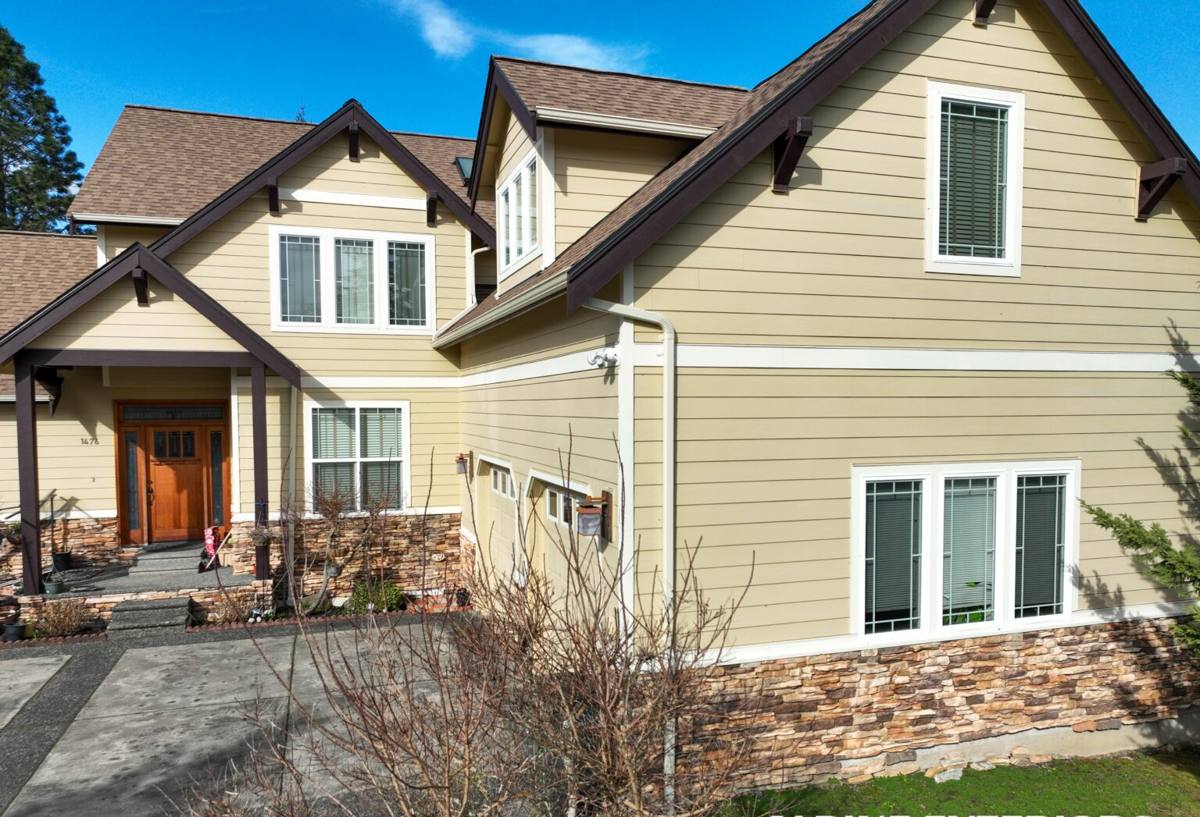
What Salt Air, Driving Rain, and Moss Actually Do to a Roof
Each of these three factors attacks a roof differently, and understanding the mechanism helps explain why the fix isn't just "better shingles."
Salt Air
Airborne salt settles on every exterior surface near the water, including the roof deck. Over time it accelerates corrosion on exposed metal — nail heads, flashing edges, and vent stacks — well before the shingles themselves show their age. Once a fastener or flashing seam starts to corrode, water finds its way underneath the shingle mat long before the granule surface looks worn.
Driving Rain
Wind off the water doesn't just drop rain straight down — it pushes it sideways and up under shingle tabs, especially at eaves, valleys, and any place two roof planes meet. A roof built for calmer, drier climates often skips or skimps on the underlayment and flashing details that stop wind-driven water from working its way backward under the shingle line. In Birch Bay Village, those details aren't optional extras.
Moss Season
Shade, moisture, and mild temperatures are exactly what moss needs, and this part of Washington gives it all three for a long stretch of the year. Moss doesn't just sit on top of shingles — its root structure lifts granules and tab edges, holds moisture against the surface, and creates a wicking path for water even when the shingle itself is still structurally sound. Left unchecked long enough, moss-related lifting is one of the more common reasons a roof fails early out here, well ahead of its rated lifespan.
Choosing the Right Asphalt Shingle for This Climate
Not every asphalt shingle product is built the same way, and the differences matter more in a marine, moss-prone climate than they would somewhere dry.
- Algae- and moss-resistant shingles — these use copper- or zinc-infused granules that discourage moss and algae growth on the shingle surface itself, which matters far more here than in a drier climate.
- Laminated (architectural) shingles — a heavier, multi-layer construction that holds up better to wind uplift and lasts longer under constant wetting and drying cycles than a basic 3-tab shingle.
- Wind rating — shingles rated for higher sustained wind speeds matter on properties with open exposure toward the water, where gusts are stronger and less obstructed than on tree-sheltered lots further inland.
- Sealant strip quality — the adhesive strip that bonds each shingle to the one below it needs to activate properly and hold under repeated wet-dry cycling, not just in a single warm afternoon.
We don't push one specific brand as the only acceptable option. What we do insist on is matching the shingle's rated performance — wind, algae resistance, and warranty structure — to what this specific stretch of coastline actually puts a roof through, rather than installing whatever is cheapest to source that week.
Shingle Tier Comparison for Coastal Whatcom County Homes
| Shingle Type | Typical Lifespan Here | Best Fit |
|---|---|---|
| Standard 3-tab | Shorter, especially with moss exposure | Budget-driven projects on sheltered lots |
| Architectural / laminate | Longer, better wind and wear performance | Most Birch Bay Village homes |
| Algae-resistant architectural | Longest realistic lifespan for this climate | Shaded lots, north-facing slopes, heavy tree cover |
What a Correct Installation Actually Involves
The shingle itself is only one layer of a roofing system. In a climate like this, the layers underneath it do a lot of the real work.
Ice and Water Barrier at Vulnerable Points
Self-adhering waterproof membrane belongs at eaves, valleys, and around every roof penetration — chimneys, vents, skylights — anywhere wind-driven rain is most likely to find a way in. This is the single detail most likely to be shortcut on a rushed job, and it's the one that matters most out here.
Synthetic Underlayment
A quality synthetic underlayment across the full deck adds a second line of defense under the shingles, holding up to prolonged damp conditions far better than older felt products, which can degrade when trapped moisture doesn't dry out quickly between rain events.
Flashing Details
Step flashing at walls, proper counter-flashing at chimneys, and correctly lapped valley flashing all need to shed water in the direction it's actually moving during a wind-driven storm, not just in a straight-down rain. Corrosion-resistant flashing material matters more here than in a drier, less salty climate.
Ventilation
Balanced intake and exhaust ventilation keeps the attic space closer to outdoor temperature and humidity, which reduces condensation on the underside of the roof deck. Poor ventilation traps moisture, and trapped moisture is exactly what accelerates both deck rot and moss growth from underneath.
Fastening Pattern
Correct nail placement and count per shingle — not staples, not an under-driven or over-driven nail pattern — is what keeps a roof intact when gusts come off the water. This is a detail that's invisible once the job is done, which is exactly why it needs to be done right the first time.
Our Process for a Birch Bay Village Roof
- On-site inspection — we look at the existing deck, ventilation, flashing condition, and moss or moisture history specific to your property's exposure and tree cover.
- Honest scope and estimate — what needs full replacement versus what can be addressed with targeted repair, explained in plain terms with no upsell pressure.
- Tear-off and deck check — old material comes off completely so we can inspect the deck itself for soft spots or hidden moisture damage before anything new goes down.
- Underlayment and flashing first — the waterproofing layers go in correctly before a single shingle is laid, since this is the layer that actually stops leaks.
- Shingle installation — installed to manufacturer spec for nailing pattern, exposure, and sealant activation, matched to the wind and algae-resistance rating your property needs.
- Ventilation check — intake and exhaust venting confirmed balanced, not just present.
- Cleanup and walk-through — site cleared of debris and nails, and we walk the finished roof with you before calling the job done.
Maintenance That Actually Extends Roof Life Here
A correctly installed roof still benefits from a bit of ongoing attention in this climate, especially where moss and tree cover are involved.
- Keep gutters and valleys clear of needles and debris so water has a clear path off the roof.
- Have moss growth removed properly rather than scraped aggressively, which can damage granules and shorten shingle life.
- Trim back overhanging branches where practical to reduce shade and debris buildup on the roof surface.
- Have flashing and sealant checked periodically, since these fail well before the shingle field usually does.
- Address small leaks or soft spots early — in a wet climate, a small deck repair now is far less costly than a full deck replacement later.
Cost Factors for a Birch Bay Village Shingle Roof
Every roof is priced based on its own specifics, but the same handful of factors drive most of the variation from one Birch Bay Village home to the next.
| Factor | Why It Matters Here |
|---|---|
| Roof size and complexity | More valleys, dormers, and penetrations mean more flashing work and labor time |
| Deck condition | Hidden moisture damage from a prior leak or moss issue may require deck repair before new shingles go on |
| Shingle tier | Algae-resistant, architectural products cost more upfront but hold up longer against this specific climate |
| Ventilation upgrades | Adding or correcting intake/exhaust venting protects the new roof investment |
| Access and exposure | Steep pitches or wind-exposed sections near the water can affect labor and safety planning |
We provide a written, itemized estimate so you can see exactly what's driving the number, rather than a single lump-sum figure.
Why a Crew That Already Works Birch Bay Village Matters
Roofing crews that only occasionally work this stretch of coastline tend to underbuild for it — treating it like any other Western Washington roof rather than accounting for the specific combination of salt exposure, wind-driven rain, and extended moss season that this community deals with. A crew that regularly works Birch Bay Village and the surrounding Whatcom County shoreline already knows which details can't be shortcut here: the flashing that has to handle sideways rain, the ventilation balance that keeps moss from taking hold from underneath, and the fastener and flashing materials that hold up against salt air instead of corroding early.
That local pattern recognition is the difference between a roof that looks fine at handoff and one that's actually built to hold up through years of this specific climate.
Get a Free, No-Pressure Estimate
If your Birch Bay Village home needs a new asphalt shingle roof, or you're not sure whether what you have is holding up the way it should, we're happy to take a look. There's no pressure and no obligation — just a straightforward assessment and a clear, itemized estimate you can use to make the decision that's right for your home. Use the form below to get started.