 Birch Bay Siding
 Metal Roofing Built for the California Creek Climate
California Creek sits close enough to the water that homes here take a different kind of weather beating than houses further inland in Whatcom County. Salt-laden air moves in off the bay, rain comes in sideways during winter storms, and the shaded, damp stretch of the year runs long. A roof that works fine in a drier climate can start failing here years ahead of schedule. Metal roofing, installed correctly for this specific environment, is one of the more dependable answers to that problem — but "correctly for this environment" is doing a lot of work in that sentence, and it's worth understanding why before you commit to a material or a contractor.
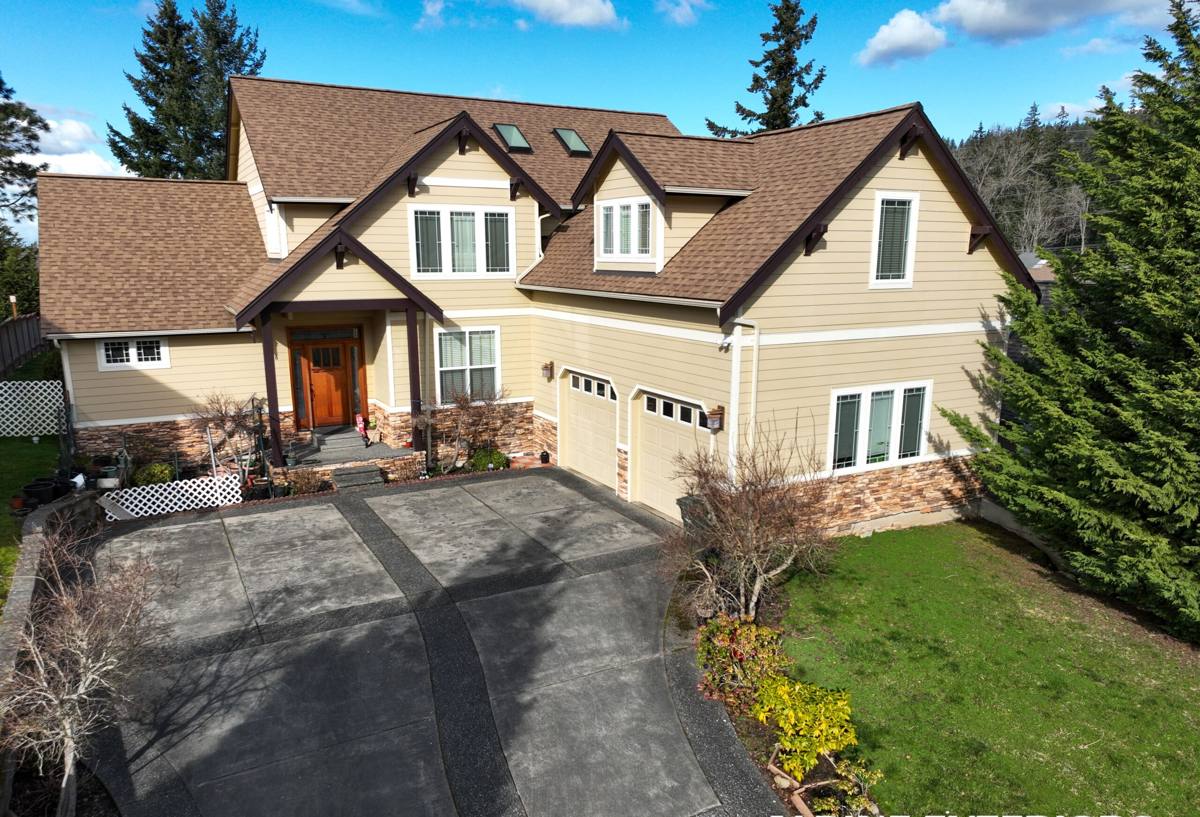
What Salt Air, Rain, and Moss Actually Do to a Roof
Salt Air and Corrosion
Airborne salt doesn't need direct ocean spray to cause problems — a steady coastal breeze carries fine salt particles that settle on roofing, flashing, and fasteners. Over time that accelerates corrosion on any metal component that isn't rated for a marine or near-marine environment. This is why the specific coating and fastener package matters more here than it would on a roof twenty miles inland.
Driving Rain and Wind-Driven Water
Birch Bay's storms don't just drop rain straight down — wind pushes it sideways and up under laps, seams, and flashing edges that would stay dry in a calmer climate. A roof detailed for average rainfall, rather than wind-driven rain, is the roof that eventually leaks at a valley, a chimney flashing, or a low-slope transition.
The Long Moss Season
Cool, damp, shaded conditions persist here for much of the year, and that's exactly what moss and algae need to take hold. On absorbent roofing materials, moss roots into the surface and holds moisture against it. On a properly installed metal roof, moss has nothing to grip and nowhere to hold water — which is one of the clearer, practical advantages metal has over other materials in this specific climate.
Why Metal Roofing Holds Up Well Here
Metal isn't automatically the right answer for every home or every budget, but in a climate defined by salt air, wind-driven rain, and persistent moss pressure, it has real structural advantages:
- A hard, non-porous surface that moss and algae can't root into the way they can on granular or wood surfaces
- Panel systems with far fewer exposed seams and laps than shingle roofing, which reduces the number of places wind-driven rain can work its way in
- High wind-uplift resistance when the panel type and fastening pattern are matched to the exposure
- A long service life that, done right, can outlast two or more cycles of a shorter-lived roofing material
- Minimal ongoing granule or material loss, so gutters and downspouts stay clearer over time
None of that happens automatically just because the material is metal. It depends on the system chosen and how it's installed — which is where a lot of roofs in this area go wrong.
Choosing the Right Metal Roofing System
"Metal roofing" covers more than one product, and the differences matter for a home exposed to salt air and heavy rain. The table below covers the two systems we install most often on homes in this area.
| System | How It's Fastened | Best Fit | Coastal Considerations |
|---|---|---|---|
| Standing seam | Concealed clips, no exposed fasteners on the field of the roof | Homes wanting the longest service life and cleanest look | Fewest penetration points for wind-driven rain and salt exposure; higher upfront cost |
| Exposed-fastener panel | Screws driven through the panel face into the deck or purlins | Budget-conscious projects, outbuildings, some roof shapes | Fastener gaskets degrade faster in salt air and need periodic inspection |
For most primary residences in California Creek, we lean toward standing seam because it removes the maintenance question of exposed fastener gaskets almost entirely. Exposed-fastener panel still has a place — particularly on secondary structures or where budget is the deciding factor — but we're upfront with homeowners about the trade-off: it costs less to install and more, over time, to keep watertight in this climate.
Coating and Substrate Matter as Much as Panel Style
Two roofs can use the same panel profile and perform very differently depending on the substrate and finish underneath. In a salt-air environment, we steer homeowners toward coatings and metals with proven corrosion resistance for coastal exposure, and away from bargain-grade material that looks identical on a spec sheet but isn't rated for it. This is also where fastener selection matters — stainless or coated fasteners matched to the panel metal prevent the galvanic corrosion that shows up as rust streaks within a few years when the wrong fastener is paired with the wrong panel.
What a Correct Installation Involves
The panel is the visible part of a metal roof; most of what determines whether it actually performs in this climate is underneath it. A correct installation for a home in this area includes:
- Ice-and-water shield or equivalent self-adhered membrane at eaves, valleys, and penetrations — the areas most exposed to wind-driven rain
- A synthetic underlayment rated for the full exposure period, since panels are sometimes staged and installed over multiple days depending on weather
- Proper roof deck ventilation, so trapped moisture underneath the panel doesn't condense and cause deck rot from below
- Flashing details at every valley, chimney, skylight, and wall transition, fabricated and lapped correctly for the direction prevailing wind and rain hit the roof
- Fasteners and clips matched to the panel metal to prevent galvanic corrosion
- A fastening pattern and clip spacing engineered for the wind exposure of the specific site, not a generic default
Skipping or shortcutting any one of these doesn't show up on install day — it shows up two, five, or ten years later as a leak, a corroded fastener, or a section of panel that's worked loose in a windstorm. This is the part of the job that separates a roof that earns its long lifespan from one that quietly underperforms it.
Keeping Moss and Debris From Becoming a Problem
A metal roof doesn't grow moss the way a shingle or shake roof can, but that doesn't mean it's maintenance-free in a climate like this. Debris — needles, leaves, wind-blown organic material — can still collect in valleys and against roof-to-wall transitions, holding moisture against flashing even when the panel itself sheds water fine. Periodically clearing debris from valleys and keeping gutters flowing prevents that moisture from sitting where it can eventually find a seam. It's a much lighter maintenance load than a moss-prone roof requires, but "lighter" isn't "none."
Cost Factors for a Metal Roof in This Area
Metal roofing costs more upfront than asphalt shingles, and the final number depends on several factors specific to your home and site. We won't quote a number without seeing the roof, but these are the variables that move the price:
| Factor | Why It Affects Cost |
|---|---|
| Panel system (standing seam vs. exposed fastener) | Standing seam requires more labor and material per square than exposed-fastener panel |
| Roof complexity | Valleys, dormers, and multiple roof planes add flashing work and labor time |
| Tear-off vs. re-roof | Removing an existing roof and repairing deck damage adds cost that isn't visible until the old material is off |
| Coating and gauge selection | Heavier-gauge, marine-rated coatings cost more but hold up longer against salt air |
| Access and pitch | Steep or hard-to-access roofs take longer and require more safety setup |
Because of the salt-air factor, we generally advise against the lowest-tier coating options for homes in California Creek even when they lower the initial quote — the money saved up front tends to reappear as corrosion-related maintenance within a handful of years.
Our Process, From Estimate to Finished Roof
We start with an on-site inspection of the existing roof, deck condition, and specific exposure of your home — a house tucked among trees deals with different moss and debris pressure than one with an open line to the water, even within the same neighborhood. From there we walk through panel and coating options with honest trade-offs, not just the highest-margin option. Once a system is chosen, we handle deck repair as needed, install underlayment and flashing to the standard described above, and set the panels with the fastening pattern engineered for your site's wind exposure. We clean up thoroughly and walk the finished roof with you before calling the job done.
Why Hire a Crew That Already Works in California Creek
A roofing crew that mostly works drier, inland climates can install a technically sound roof on paper and still get the coastal-specific details wrong — the fastener spec, the flashing lap direction for prevailing wind, the coating choice for salt exposure. Those aren't things you can tell from a finished roof until years later. Working regularly in Birch Bay and the surrounding Whatcom County coastline means we're not guessing at how salt air, driving rain, and a long moss season interact with a given roofing system — we're building to what actually holds up here, because we see the roofs that didn't.
If you're weighing metal roofing for a home in California Creek, we're happy to take a look and walk you through what a correct job would involve for your specific roof — no pressure, no obligation. Use the form below to request a free estimate.