 Birch Bay Siding
 Building a Deck That Actually Holds Up in Cherry Point
Cherry Point sits close enough to the water that every deck built here deals with the same three things year-round: salt-laden air blowing off the Strait, driving rain that doesn't just fall straight down but gets pushed sideways into ledger boards and railings, and a moss season that runs longer than most homeowners expect. A deck built to a generic spec sheet might look fine the first summer. Whether it's still solid in year eight depends on choices most people never see once the boards are down — the fasteners, the flashing behind the ledger board, and how water is allowed to move off and away from the structure instead of sitting in it.
This page is about custom decks specifically for homes in and around Cherry Point, near Birch Bay in Whatcom County. It's not a general decking overview — it's what we've found actually matters for this stretch of coastline.
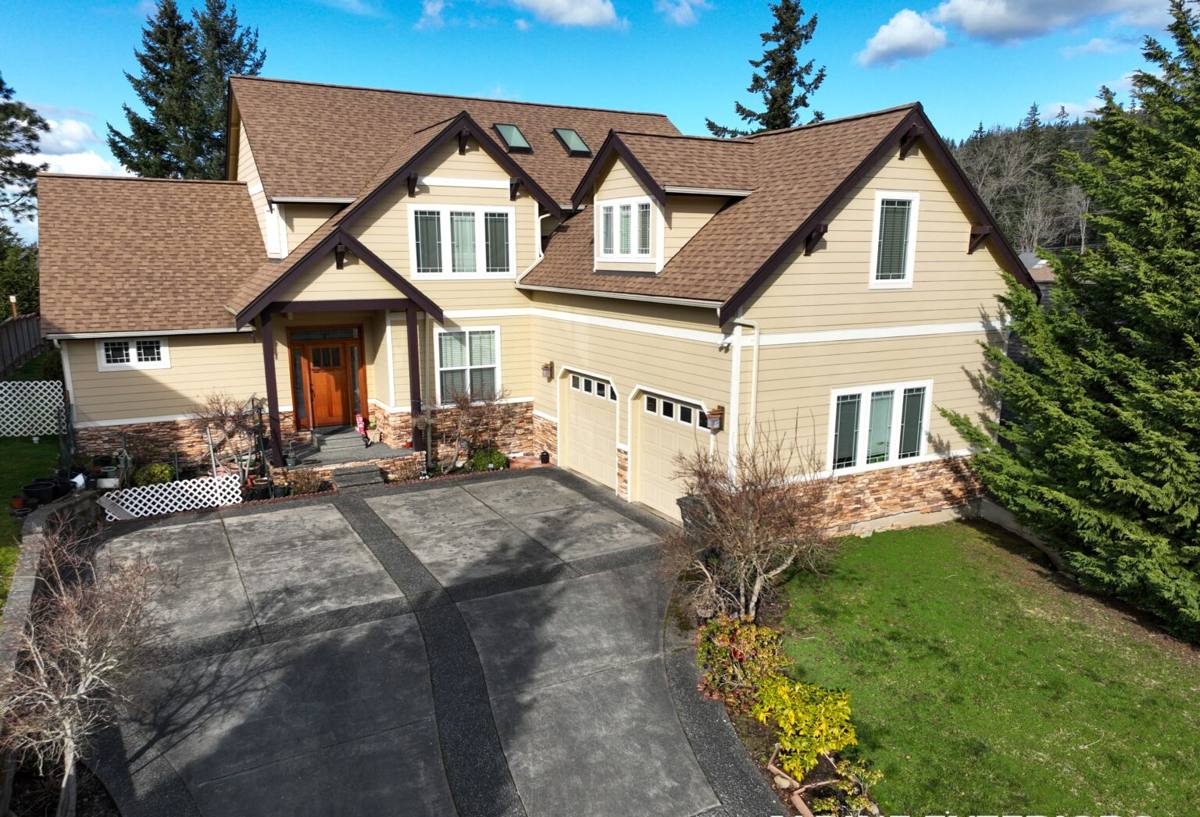
What Salt Air, Rain, and Moss Actually Do to a Deck
Corrosion from salt-laden air
Salt in the air accelerates corrosion on anything metal — screws, joist hangers, bolts, railing brackets. A fastener rated for general outdoor use inland can start showing rust within a couple of seasons this close to the water. Once a fastener corrodes, it loses holding strength long before it looks obviously bad, which is part of why deck failures near the water tend to happen at connection points rather than in the boards themselves.
Wind-driven rain finding the wrong path
Storms coming off the water don't just soak the top of a deck — they push moisture sideways and upward, into places a standard rain shield doesn't always cover: behind ledger boards, around post bases, and into end-grain cuts on the decking itself. Water that gets in and can't get back out is what rots framing from the inside, long before surface boards show any damage.
A moss season that outlasts the calendar
Moss and algae need shade, moisture, and time — and Cherry Point offers a lot of all three, especially on decks with tree cover or a north-facing exposure. Beyond the slip hazard, moss holds moisture directly against the decking surface, which shortens the life of the boards underneath it and stains anything porous. A deck design that ignores airflow and drainage is signing up for a moss problem regardless of what material sits on top.
Choosing a Decking Material for This Climate
There's no single "best" decking material — every option is a trade-off between upfront cost, maintenance, and how it handles moisture over time. Here's how the common choices actually compare for a Cherry Point property specifically.
| Material | Moisture Behavior Here | Maintenance | Typical Lifespan |
|---|---|---|---|
| Pressure-treated wood | Absorbs and releases moisture readily; needs sealing to resist the salt air and rain cycle | Annual cleaning and re-sealing recommended | 10–15 years with upkeep |
| Cedar | Naturally moisture- and insect-resistant, but still needs protection from prolonged wet exposure | Periodic cleaning and oil/stain refresh | 15–20 years with upkeep |
| Composite (wood-plastic blend) | Resists rot; some older composite lines can absorb moisture at cut ends if not capped | Occasional washing; no sealing needed | 25+ years |
| PVC-capped composite | Fully sealed surface sheds water and resists moss staining better than uncapped boards | Low — mostly rinsing off pollen, salt film, and moss spores | 25–30+ years |
We install all of these depending on the homeowner's budget and priorities — this isn't about pushing one product. It's about being upfront that a lower-maintenance material earns its higher upfront cost back in fewer weekends spent cleaning and resealing, which matters more in a climate that gives moss and algae this much time to establish.
What a Correctly Built Deck Requires Below the Surface
Footings sized for the site, not a standard plan
Footing depth and size need to match the soil conditions and frost line for the site, not just a generic deck plan pulled off the shelf. Coastal properties can also have variable soil composition close to the water, which is one more reason we don't treat footing layout as a copy-paste step.
Ledger flashing that actually sheds water
The ledger board — where the deck attaches to the house — is the single most common source of rot on decks in wet climates. Proper flashing, installed in the right layered order with the house's existing weather barrier, keeps wind-driven rain from working its way behind the board. This is a step that's invisible once the deck is finished, which is exactly why it's worth asking about before work starts.
Hardware built for corrosion resistance
Joist hangers, structural screws, and post connectors should be rated for the exposure they'll actually see — not just treated lumber compatibility, but the added corrosion load of salt air. We spec stainless or heavy-coated hardware at connection points for exactly this reason.
Joist spacing and airflow underneath
Tighter joist spacing adds stiffness, but a deck also needs airflow underneath to let framing dry out between rain events. Skirting or under-deck features that block ventilation entirely can trap moisture against the frame — something worth planning for at the design stage, not retrofitting later.
Our Process for a Cherry Point Deck Project
- Site visit and assessment — we look at sun exposure, tree cover, drainage patterns, and how the deck ties into the existing structure.
- Design and material selection — we walk through decking, railing, and hardware options against your budget and how much upkeep you actually want to do.
- Permitting — decks over a certain size or height typically require a permit; we handle that process rather than leaving it on the homeowner.
- Framing and flashing — footings, ledger attachment, and structural framing go in first, with flashing detailed before anything is covered up.
- Decking, railing, and finish work — surface material and railing system installed to spec, with fastener choices matched to the material and exposure.
- Final walkthrough — we go over the finished deck together, including what maintenance (if any) the chosen material needs going forward.
Railings and Hardware: Where Salt Exposure Shows Up First
Railings take a lot of direct weather exposure and get touched constantly, so they're often the first place a deck shows its age. Powder-coated aluminum and properly finished cable or glass systems tend to hold up well against salt air; untreated or poorly coated metal railings can start pitting and staining faster than homeowners expect. The same logic applies to every visible bolt and bracket — matching hardware finish to the exposure isn't a cosmetic choice, it's a durability one.
What to Expect for Maintenance in This Climate
No deck near the water is maintenance-free, but the amount of work varies a lot by material and design. A realistic maintenance routine for a Cherry Point deck looks like this:
- Rinse off salt film, pollen, and organic debris a few times a year, especially after storms
- Check and clear gaps between boards where debris and moisture can collect
- Inspect railings and hardware annually for early signs of corrosion or loosening
- Trim back overhanging branches to reduce shade and moss growth on the deck surface
- Re-seal or re-stain wood decking on the schedule the product calls for — don't wait until it looks bad
- Confirm under-deck ventilation isn't blocked by stored items, skirting, or built-up debris
Cost Factors to Plan Around
Custom deck pricing depends on more than square footage. These are the factors that move the number most for Cherry Point projects specifically.
| Factor | Why It Affects Cost Here |
|---|---|
| Decking material | PVC-capped and premium composite cost more upfront but reduce long-term maintenance in this climate |
| Height and footing complexity | Sloped or elevated sites near the water often need engineered footings |
| Hardware grade | Corrosion-resistant fasteners and connectors cost more than standard-grade hardware |
| Railing system | Metal, cable, and glass railings vary widely in material and installation cost |
| Access to the site | Tight lots or limited equipment access can add labor time |
We give straightforward, itemized estimates so homeowners can see exactly where the budget is going — not just a single lump-sum number.
Why a Crew That Already Works in Cherry Point Matters
A contractor who's built decks elsewhere in Whatcom County but hasn't worked this specific stretch of coastline doesn't always account for how much more aggressive the salt air and moisture cycle is right on the water compared to just a few miles inland. Knowing which fastener grades actually hold up, how much ventilation a deck needs given the tree cover typical of this area, and which materials are worth the extra upfront cost here — that comes from having done the work in this exact environment, not from a general decking background.
If you're planning a new deck or replacing one that's showing its age, we're happy to take a look and talk through what makes sense for your property. Reach out for a free, no-pressure estimate using the form below.